
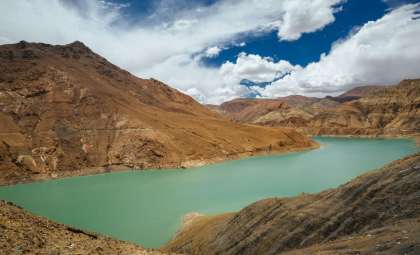
Researchers uncovered viruses dating back nearly 15,000 years, preserved within glacier ice on the Tibetan Plateau in China. These viruses, many of which were completely new to science, were extracted from ice cores drilled from the Guliya ice cap, a high-altitude glacier situated around 6,700 meters above sea level in western China. Published in the journal Microbiome in 2021, the findings reveal how glaciers serve as time capsules housing viral and microbial records from ancient ecosystems.
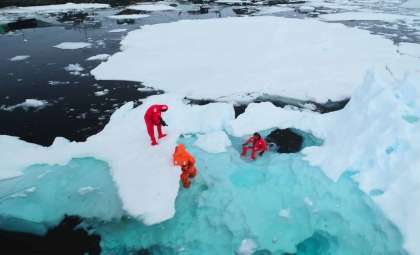
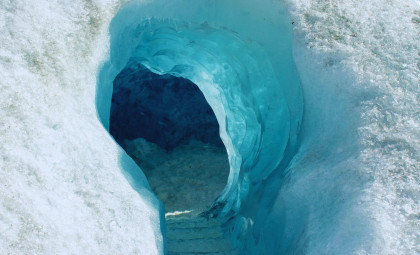
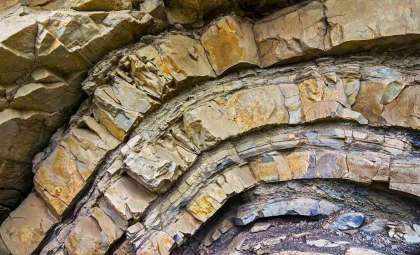
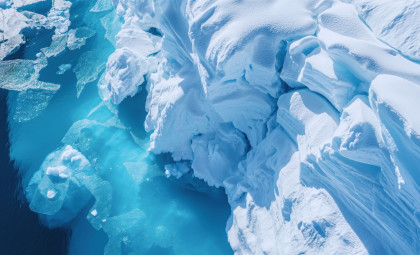
Glaciers accumulate ice over millennia in layered formations. This process traps atmospheric contents such as dust, gases, microorganisms, and viruses within each layer. These frozen archives offer a chronological perspective, enabling scientists to investigate life from thousands of years ago.
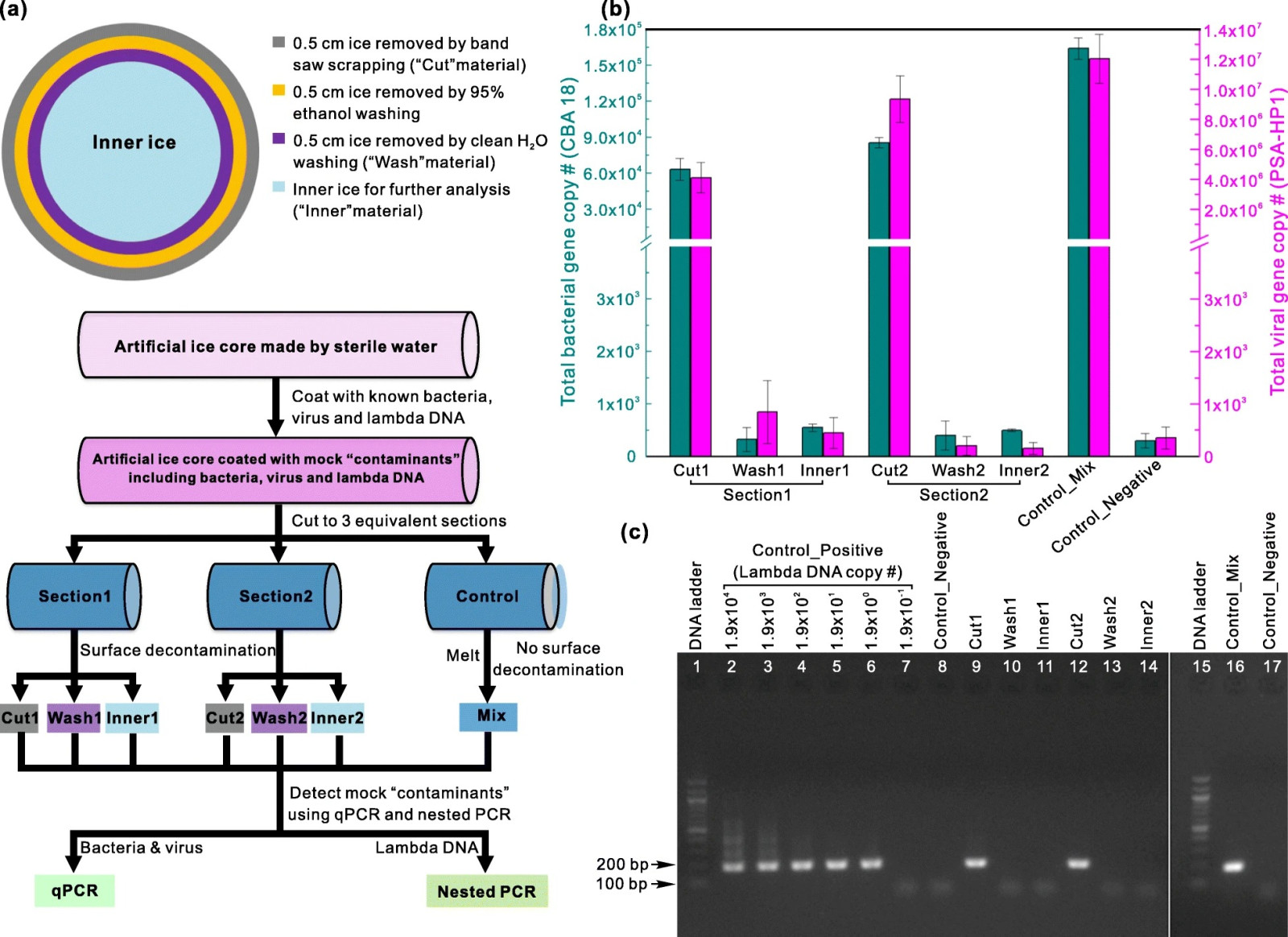
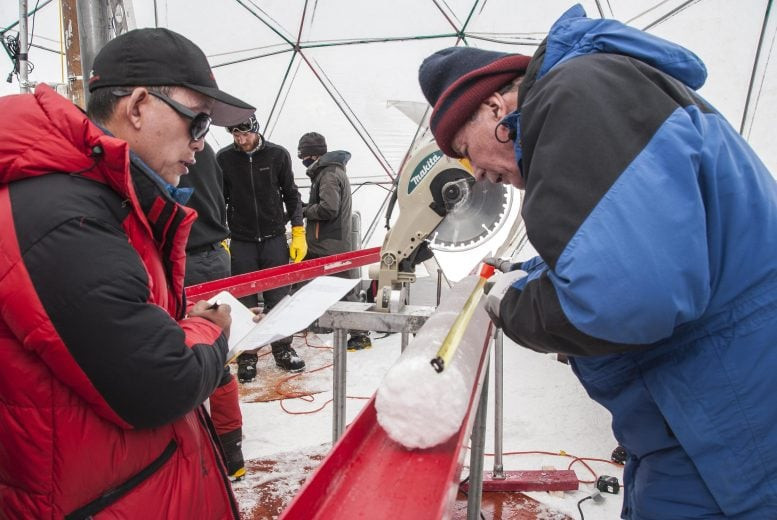
To study the samples, the team developed a cutting-edge ultra-clean protocol to analyze microbial and viral DNA in ice without introducing modern contaminants. As lead author Zhi-Ping Zhong from Ohio State University's Byrd Polar and Climate Research Center noted, glaciers store invaluable historical environmental data, including viral communities.

Discovery of Millennia-Old Viruses Locked in Ice
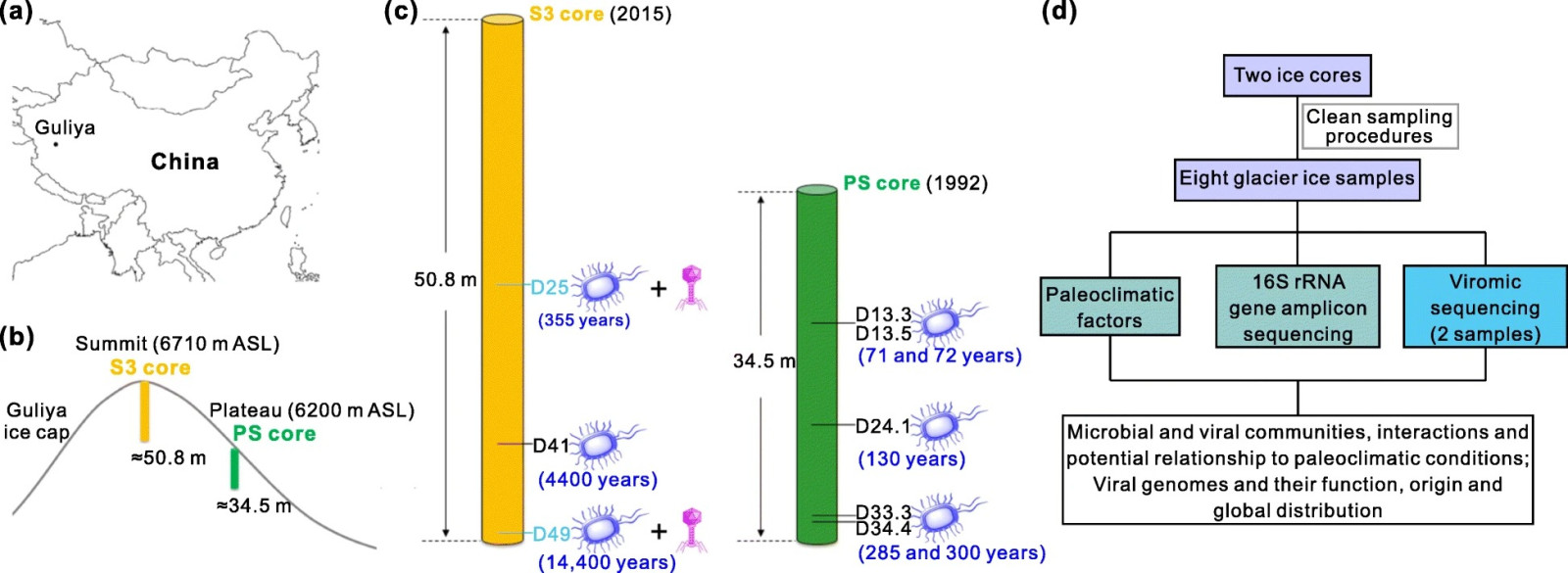
The ice cores, collected in 2015 from the Guliya ice cap, were dated using several methods to be close to 15,000 years old.
Genetic analysis revealed the presence of 33 distinct viruses. While four matched known viral sequences, at least 28 represented previously unidentified viral species.
By comparing these viral genomes to existing databases, researchers determined that some viruses contained genetic adaptations linked to survival in extremely cold habitats.
“These are viruses that would have thrived in extreme environments,” said Matthew Sullivan, professor of microbiology at Ohio State University and co-author of the study. He explained that: “These viruses have signatures of genes that help them infect cells in cold environments – just surreal genetic signatures for how a virus is able to survive in extreme conditions.”
Origins Linked to Soil and Plant Ecosystems
The team also investigated the possible ecological sources of these viruses. Their results, detailed in the publication within Microbiome, suggested that many viruses likely originated from soil and plant-associated environments rather than animals or humans. Among the ancient viral sequences, four belonged to types known to infect bacteria. Additionally, the viral abundance detected in the glacier ice was significantly less than levels found in oceans or soil habitats.
This study contributes to a growing field exploring viruses preserved in glacier ice. Ancient viral forms trapped in such icy environments remain largely unexplored, highlighting the need for deeper understanding of extremophile microbes and viruses.
“We know very little about viruses and microbes in these extreme environments, and what is actually there,” he said. “The documentation and understanding of that is extremely important: How do bacteria and viruses respond to climate change? What happens when we go from an ice age to a warm period like we’re in now?” Lonnie Thompson, senior author of the study and senior research scientist at the Byrd Polar Research Center, explained.
Thompson emphasized that exploring these preserved microbes reveals how ancient microbial communities functioned through shifts in Earth’s climatic history.
Innovative Techniques for Probing Life in Harsh Conditions
The newly developed cleaning and genetic analysis protocols make it possible to study microorganisms in environments where contamination risks previously hindered research. This approach allows scientists to retrieve genetic data from ancient specimens while preventing modern DNA intrusion.
Sullivan noted the potential applications of this method beyond glaciers.
“These are not easy signatures to pull out, and the method that Zhi-Ping developed to decontaminate the cores and to study microbes and viruses in ice could help us search for these genetic sequences in other extreme icy environments – Mars, for example, the moon, or closer to home in Earth’s Atacama Desert.”
- Categories:
- Science



0 comments
Sign in to Comment