
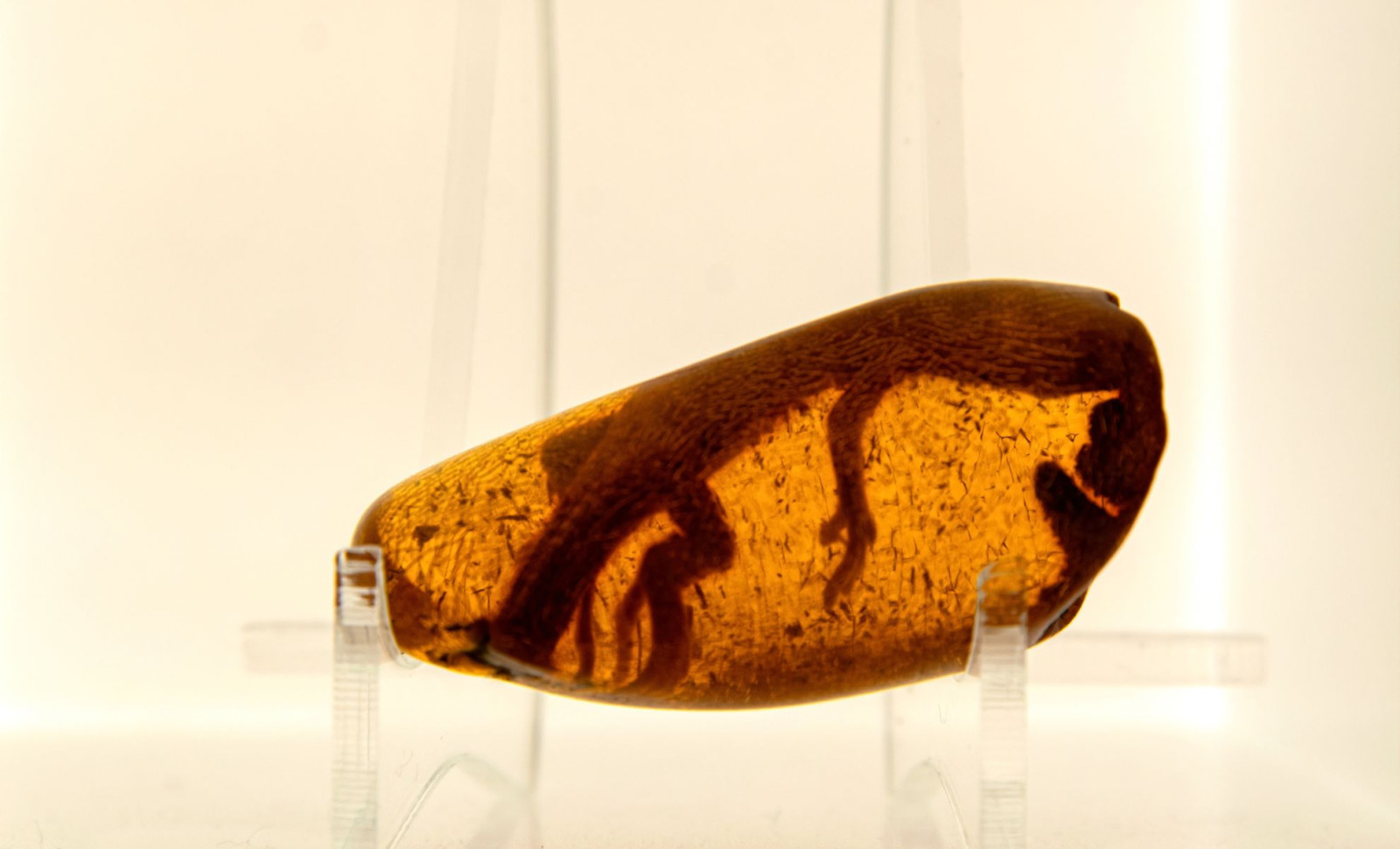
A minute gecko encased in Myanmar amber for nearly 99 million years has offered researchers a unique glimpse into one of the oldest male lizard fossils ever discovered. The specimen of Carinasquama rusmithii features a subtle bulge on its tail that could indicate ancient male reproductive anatomy.
This newly identified species was extracted from two fragments of Kachin amber sourced from Myanmar’s Kachin region. It lived during the mid-Cretaceous era and was remarkably small, measuring just 1.6 to 2.2 centimeters from snout to vent, akin to some of today’s smallest gecko species.
The find is significant because fossils seldom preserve evidence distinguishing ancient males from females. In this fossil, scientists spotted an intriguing swelling near the tail. Led by Juan Daza of Sam Houston State University, the team identified what appears to be a hemipenal bulge—a characteristic linked to paired reproductive organs unique to male lizards and snakes.

A Subtle Tail Bulge Reveals an Elusive Anatomical Clue
Published in the Swiss Journal of Palaeontology, the research describing Carinasquama rusmithii spotlights an uncommon feature near the base of the tail. The tail swelling aligns with the hemipenal bulge, signaling the presence of hemipenes—the paired reproductive organs housed internally within male squamates.
In present-day lizards and snakes, these organs reside inside the tail and rarely fossilize due to their soft tissue composition. Fossilization typically erases soft anatomy, leaving behind only hardened skeletal remains for study.
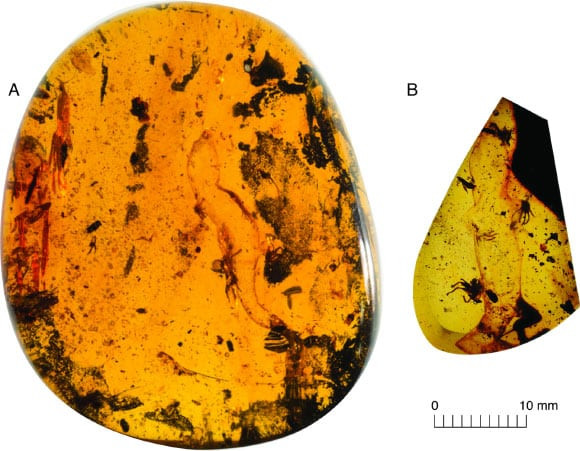
The team identifies this fossil as among the earliest confidently sexed lizard specimens. Determining the gender of extinct species is notoriously difficult due to the rarity of sexual dimorphism in preserved features. Typically, scientists depend on skeletal discrepancies or comparisons across multiple fossils.
“Sex can sometimes be estimated when embryos or eggs are found within a female specimen or associated with the specimen, although other sex-specific traits are rarely preserved in fossils,” explained the authors.
Amber’s Exceptional Preservation Unveils Rare Details
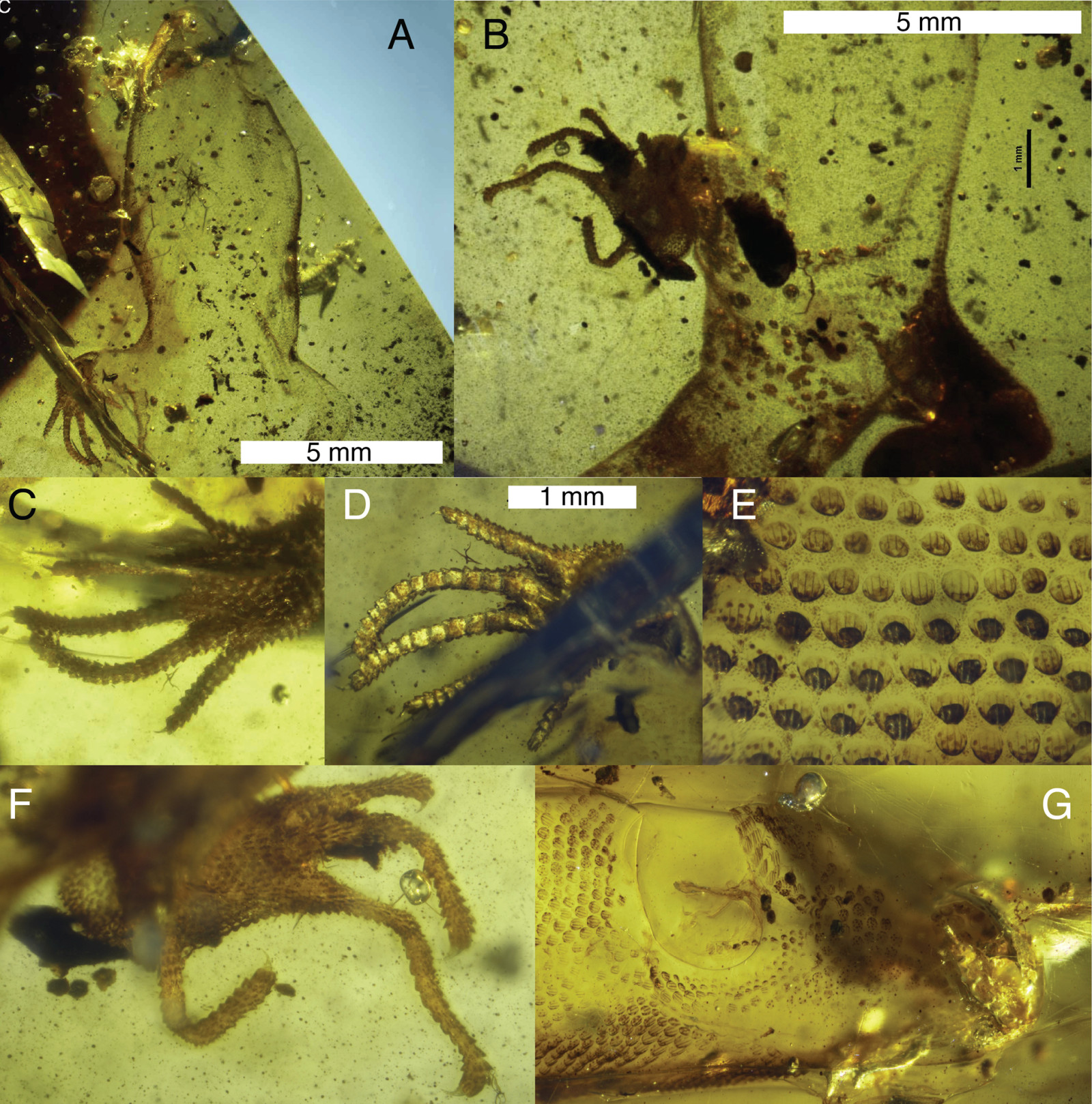
To analyze the fossil pieces, researchers employed micro-CT scanning, generating detailed 3D reconstructions. These scans revealed the original soft body mainly degraded, leaving empty cavities within the amber.
Despite this, the external surface remained exquisitely intact, preserving impressions of scales, skin patterns, and the anatomical outline of the cloaca.
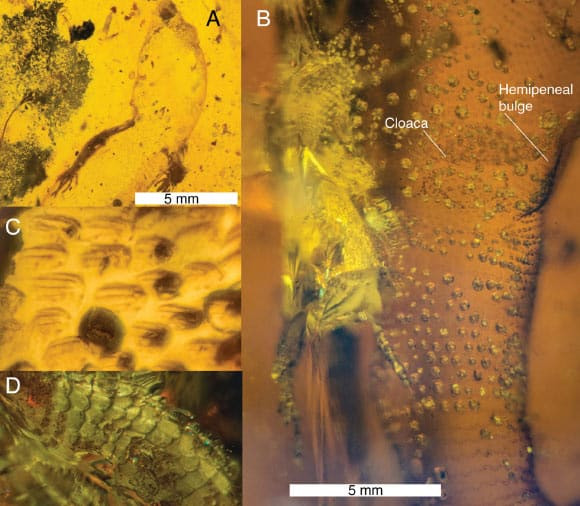
Authors noted that this ancient lizard shares numerous features with contemporary gekkotans, such as tiny granular head scales, fused eyelids, consistent scale size across the body, and visible skin in between.
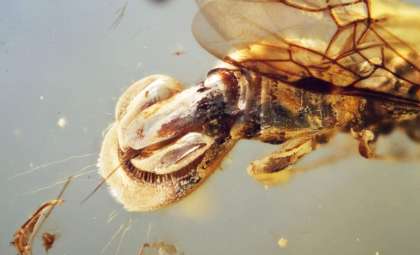
This mode of preservation highlights amber’s ability to capture delicate anatomical features that typical fossilization in sedimentary rock would destroy.
An Early Gecko with a Mysterious Evolutionary Link
Although the fossil sheds light on some traits of early geckos, its precise placement within the gecko lineage remains uncertain.
The specimen has tentatively been assigned to Pan-Gekkota, a broad category encompassing geckos and their close allies. The study notes that:
“This hemipenal bulge in one of the fossils documents the presence of hemipenes in the Squamata, during the mid-Cretaceous, although their origin was probably much earlier likely with the origin of the group.”
- Categories:
- Science









0 comments
Sign in to Comment