
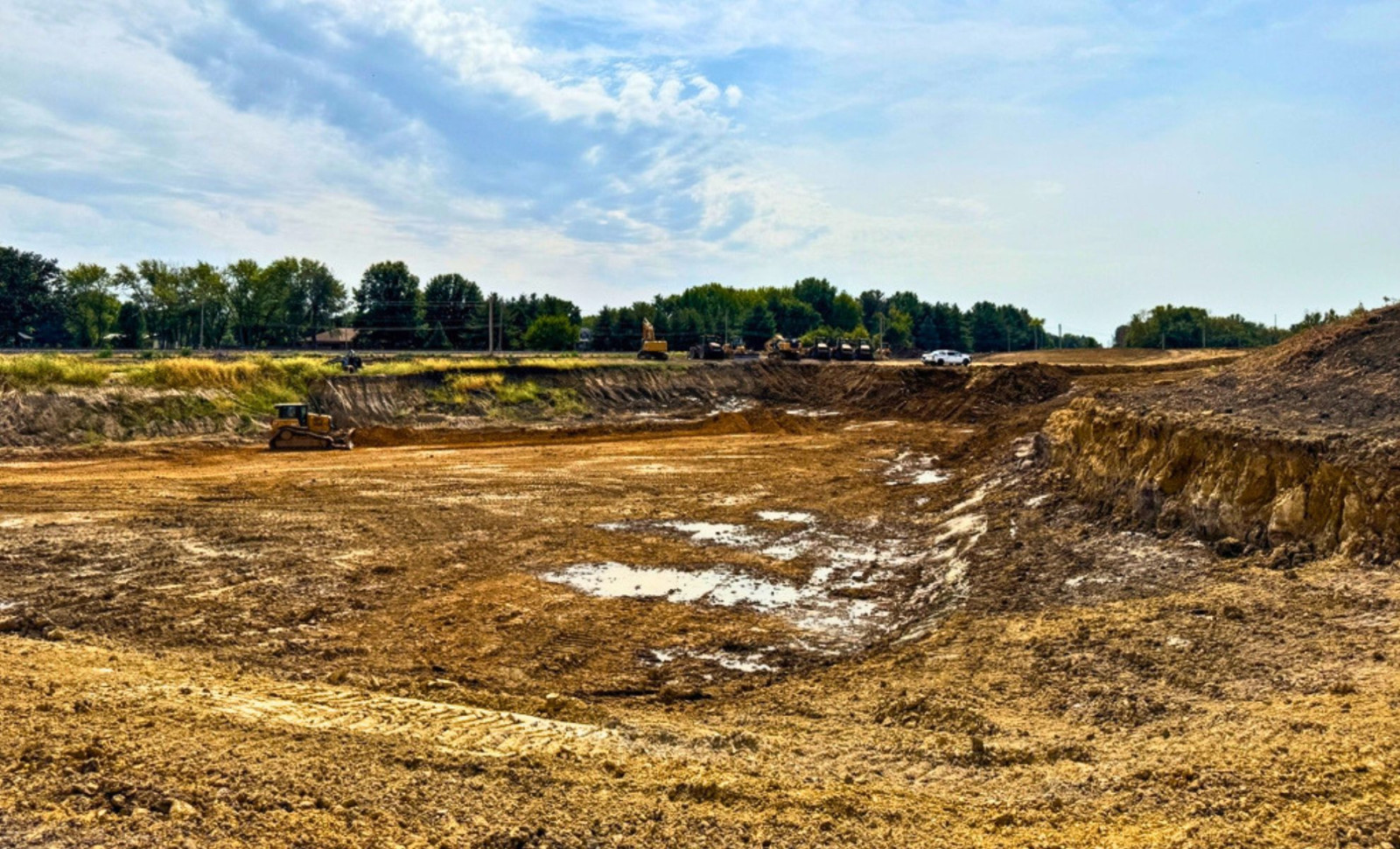
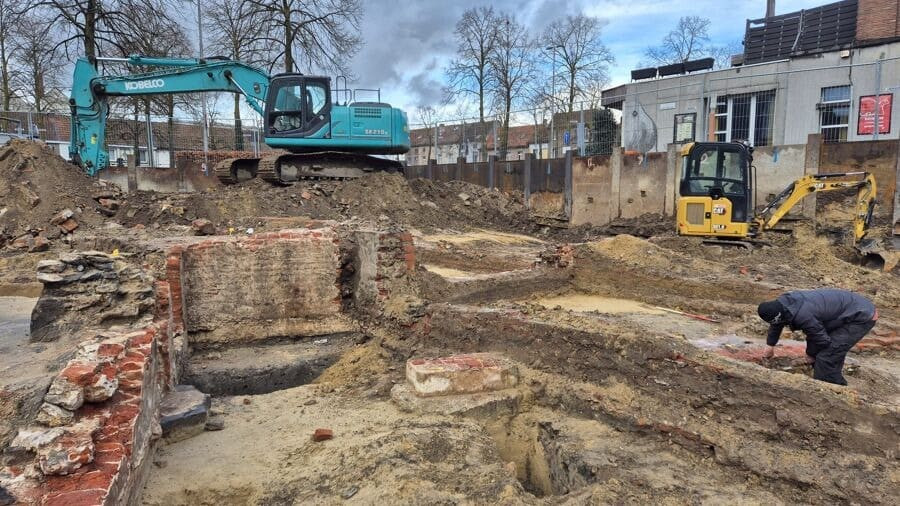
During construction at Spaanskasteelplein in Ghent, archaeologists uncovered a medieval district long hidden beneath the site of the old Spanish Castle. The dig exposed a burial ground with over 200 skeletons, the ruins of a stone church, military quarters, assorted household artifacts, and organic remains preserved within an ancient waste pit.
The uncovered layers represent various chapters of Ghent’s past. This cemetery and church once stood near St Bavo’s Abbey until Emperor Charles V ordered the demolition of the area in 1540. Subsequently, a fortress was erected on top, sealing portions of the earlier settlement underneath its fortifications and ramparts.
Additional discoveries linked to the fortress garrison include glass utensils, fragments of wine bottles, animal remains, seeds, and pollen. These items were found in water-saturated soil that slowed the deterioration of wooden and organic materials, allowing better preservation.

Spanish Castle Concealed an Earlier Ghent Settlement
The Spanish Castle, or Spanjaardenkasteel, was constructed following a dispute between Charles V and the citizens of Ghent. When residents resisted increased taxation, the emperor retaliated by ordering the destruction of St Bavo’s Abbey and its neighboring village. The official St Bavo’s Abbey history cites the fortress as a symbol of punishment after the rebellion.
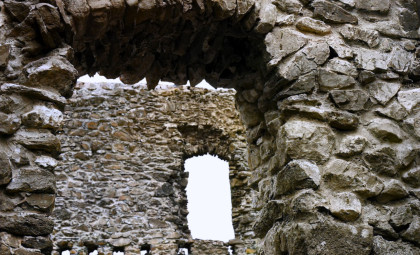
This demolition transformed the district’s layout, eradicating religious sites, residences, streets, and burial grounds beneath the new military installation. Stone materials from demolished buildings were recycled in the castle's construction, with some carved and ornamental pieces reportedly used as wall elements or filler.
The fortress’s heavy fortifications shielded many archaeological remains below. Its massive walls limited modern disturbance, enabling parts of the prior neighborhood to endure even as other city areas were rebuilt. Geert Vermark, an archaeologist on site, described the findings as “a real treasure trove.”
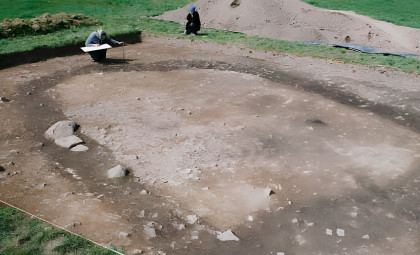
Researchers uncovered stone outlines that mapped former homes, pathways, and property boundaries. The nearby church foundations helped anchor the layout, allowing scientists to associate the graves with the community around the abbey prior to fortress construction.
Cemetery Contains Diverse Medieval Burials
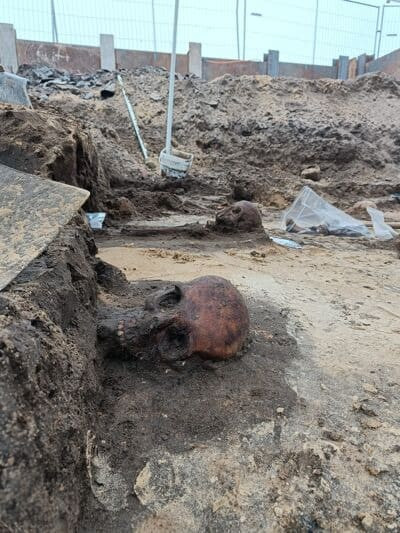
The excavation revealed more than 200 skeletons carefully laid out in rows adjacent to the church’s remains. These burials include men, women, and children of varying ages, a distribution typical of a civilian churchyard rather than a military burial site.
The graves span from the 13th to 16th centuries, overlapping with the time before the abbey district’s destruction. Some individuals may have been linked to religious roles at St Bavo’s Abbey, while others probably lived in the surrounding neighborhood and utilized the nearby church.
Through bioarchaeology, scientists analyze the remains to uncover details about age, diseases, injuries, nutrition, and physical stresses. Combining skeletal, dental, and burial data with soil analyses helps reconstruct historical population characteristics.
Chemical traces in bones and teeth also inform researchers about diet and living environments. Such analyses require thorough lab work, so while the excavation provides the physical context, detailed biographies will come later.
The orderly graves, church ruins, and adjacent building traces demonstrate the cemetery’s place within a thriving medieval community centered on the abbey and its religious functions.
Military Occupation Left Behind Food and Artifacts
Above the medieval layers, archaeologists uncovered stone walls belonging to soldiers’ quarters from the Spanish Castle period. Lead researcher Robby Vervoort connected these findings to the fortress’s garrison.
“Numerous signs confirm their occupation,” Vervoort noted. “While further investigation is underway, some remarkable artifacts have emerged.” His comments were also featured in the VRT NWS excavation report.
A particularly rich discovery was an underground cesspit used by the soldiers to dispose of waste and household debris. Excavators retrieved glass bowls, shards of wine bottles, animal bones, as well as seeds and pollen. These provide valuable insight into the daily food, drink, and refuse within the fortress.
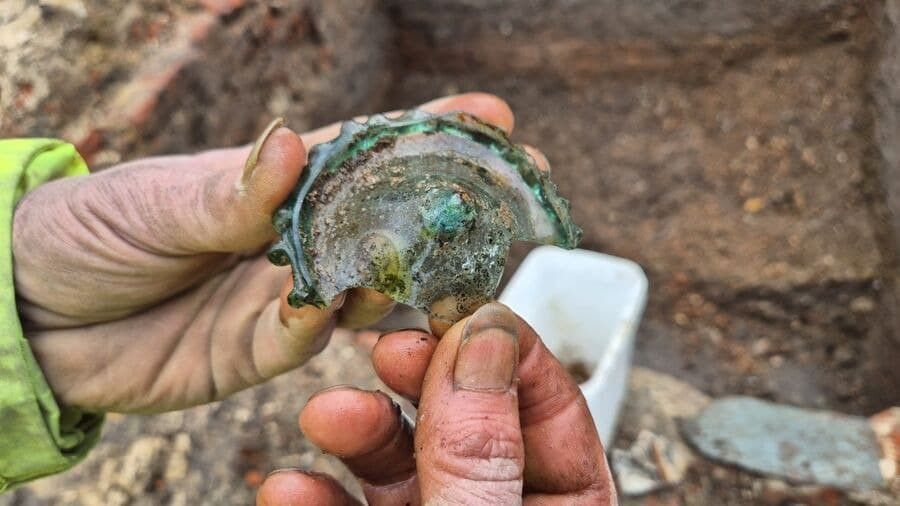
Analysis of animal remains reveals the types of meat consumed by the garrison, while the seeds and pollen hint at crops, fruits, and herbs used. Glassware studies help distinguish between drinking, serving, and storage vessels.
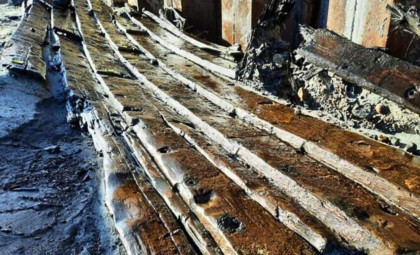
Saturated soil also preserved a wooden bridge spanning the castle’s inner moat. The lack of oxygen in waterlogged soil slows decomposition, protecting wooden structures and organic artifacts for centuries.
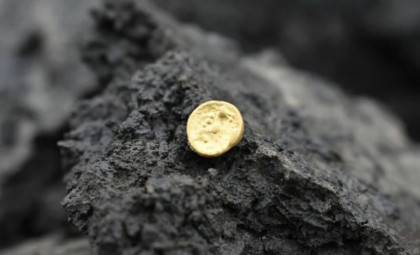
Other finds include a small devotional figure and items predating the medieval village, such as Roman pottery, metal tools, household ceramics, and flint implements, indicating prolonged human activity at the site long before the Spanish Castle was established.
St Bavo’s Abbey’s Origins in Early Medieval Times
St Bavo’s Abbey traces its origins to the seventh century when Amand of Ghent created a religious community to spread Christianity in Ganda. Over time, the abbey expanded to include a Romanesque church and reached its peak influence during the 11th century.
Parts of what Visit Gent identifies as the city’s oldest surviving wall still remain at the abbey grounds. Although the original church no longer stands, its footprint is represented by landscaping features, with hornbeam columns marking the former structure’s location. A modern concrete platform marks where the altar once stood.
In 1540, Charles V ordered the abbey and surrounding village razed. The Spanish fortress that replaced it symbolized the city’s submission and remained until it was dismantled in the 19th century.
The archaeological excavation concluded in early March 2026. Plans for apartment buildings are underway; however, parts of the site will be kept free from basements to preserve archaeological remains in situ.
“We are leaving this section undisturbed,” Vervoort stated. “Future archaeologists will likely have access to better methods and technology for investigation.”
- Categories:
- News


0 comments
Sign in to Comment