
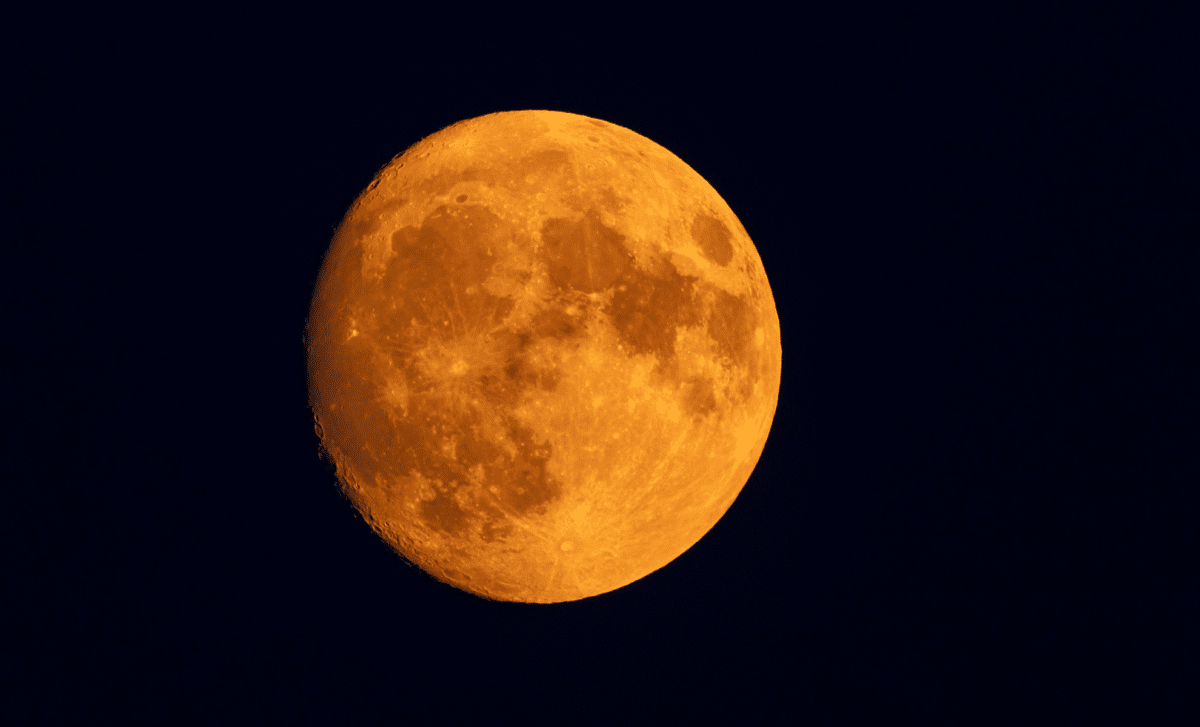
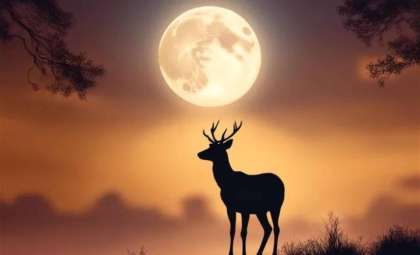
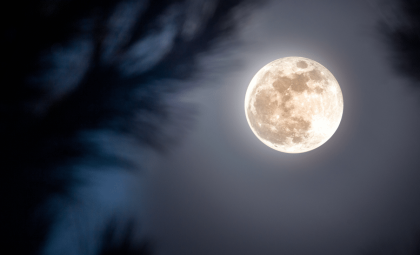
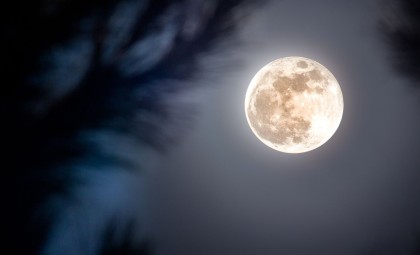
The full moon in July 2026, commonly referred to as the Buck Moon, is set to be a standout event in the summer sky, according to the Old Farmer’s Almanac. This traditional name celebrates the time when male deer begin to sprout fresh antlers in parts of North America. This lunar event offers a prime chance to witness the Moon shining at its fullest while bridging modern astronomical insights with age-old natural observations.
Although the July full moon doesn’t signal any extraordinary cosmic change, it remains a beloved occasion for photographers, amateur stargazers, and casual sky observers alike. The Moon’s visual character at moonrise can shift based on the atmosphere, viewer’s location, and surrounding terrain. Moreover, this event underscores the influence of lunar cycles on cultural traditions worldwide. For many, the Buck Moon is a meaningful way to reconnect with the celestial rhythms of Earth’s nearest neighbor.
Origins and Significance of the Buck Moon Designation
The term Buck Moon originates from seasonal wildlife behavior, notably when male deer start growing new antlers in July. The Old Farmer’s Almanac notes that numerous full moon names correspond to natural patterns, animal habits, farming cycles, and longstanding community traditions. While these names are informal and not official astronomical labels, they remain cherished guides for those tracking the lunar calendar.

Different cultures have attached various other names to the July full moon, often linked to regional climates and seasonal tasks. Some associate it with summer storms, heat waves, or agricultural growth phases. These diverse meanings highlight humanity’s longstanding role of using lunar observations to mark Earth’s changes. Though modern science uses detailed space missions and instruments to study the Moon, traditional monikers help maintain a cultural bond to celestial phenomena.
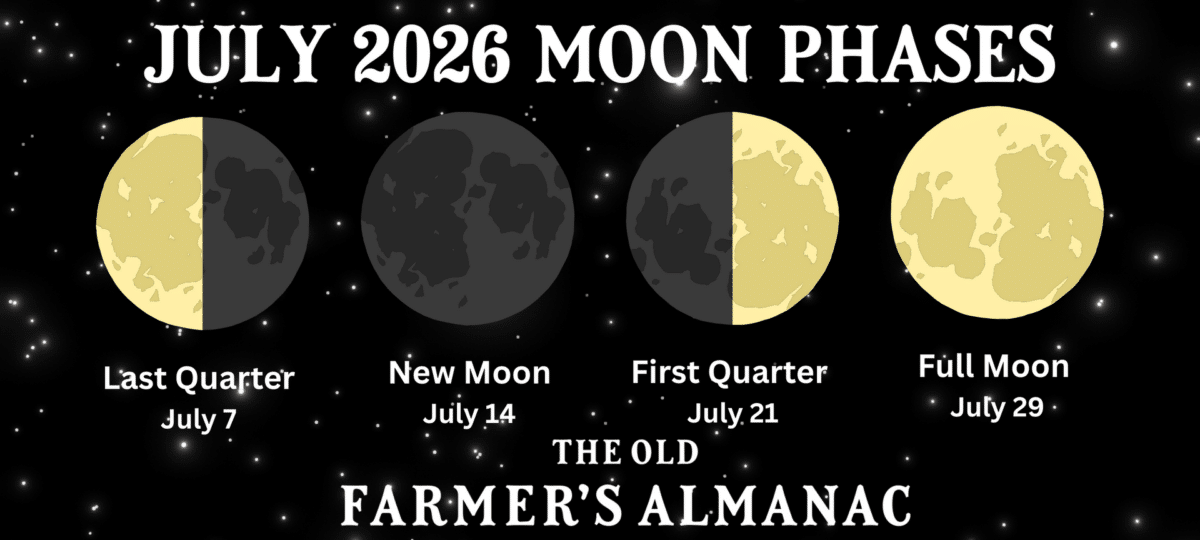
Viewing the July 2026 Full Moon: Timing and Tips
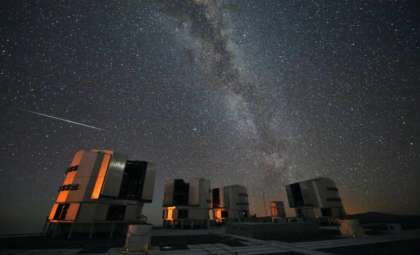
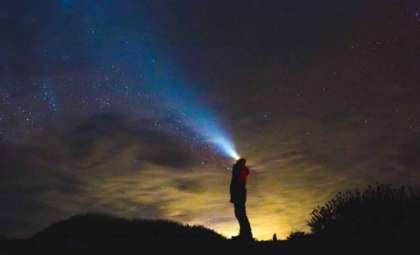
The Buck Moon in 2026 will culminate at full illumination during July, visible to millions after dusk across various regions. Optimal viewing hinges on weather, ambient light from urban areas, and how high the Moon climbs in the sky. Observers far from city glow will likely enjoy clearer skies and better visibility of nearby stars and planets.
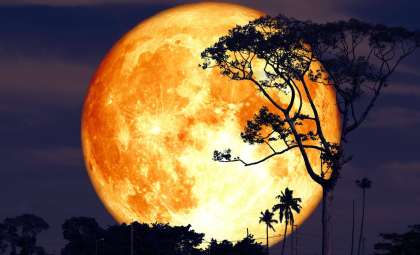
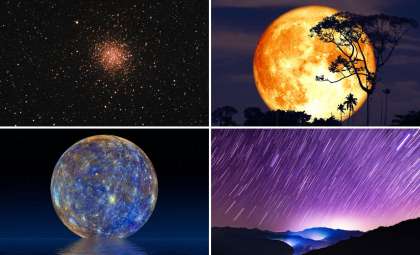
While binoculars can enhance details on the Moon’s surface, the brightness of the full phase tends to wash out shadows and crater contrasts more than other lunar phases. Photographers often favor watching the Moon near the horizon, where it can visually interact with landscapes for striking images. This spectacle is accessible without any specialized gear, ideal for anyone with a clear nighttime horizon. Checking local moonrise schedules ensures timing the best moments to catch this luminous sight.
Bridging Time: The Buck Moon’s Role in Culture and Science
The enduring fascination with the July full moon illustrates how celestial phenomena remain relevant to both scientific inquiry and popular enjoyment. Ancient civilizations relied on lunar rhythms for agriculture, travel, and seasonal rituals. Modern astronomers, equipped with sophisticated tools including lunar orbiters, have deepened our understanding of the Moon’s structure and history.
NASA’s lunar exploration missions have unveiled new insights about the Moon’s origin and potential resources. At the same time, the Buck Moon event captures the imagination of countless people who may not be astronomy enthusiasts. This blend of empirical discovery and cultural narrative ensures lunar events like this continue to inspire. Each full moon invites millions worldwide to collectively turn their eyes skyward, fostering a shared cosmic connection.
- Categories:
- News

0 comments
Sign in to Comment