
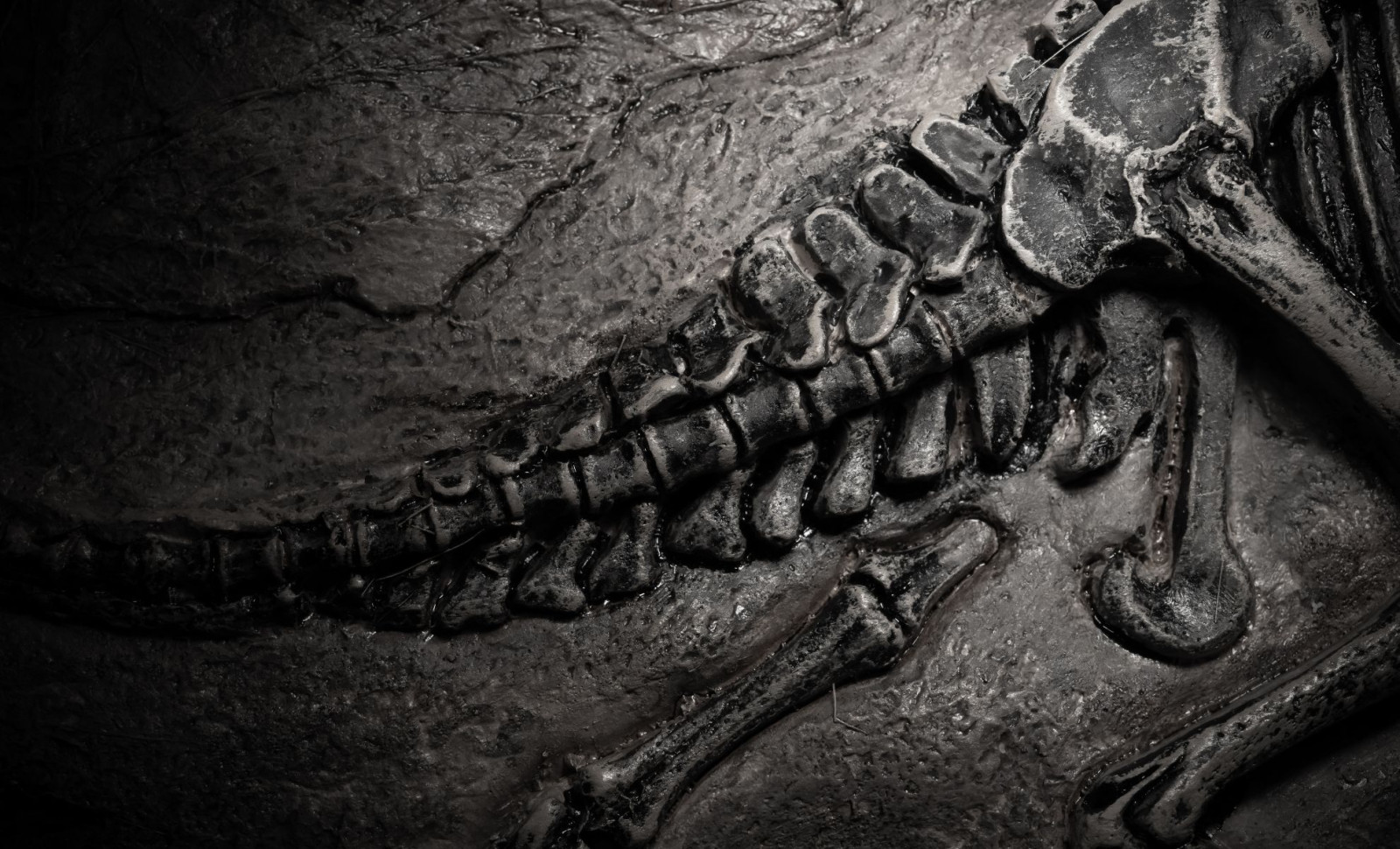
A diminutive dinosaur unearthed in western India is reshaping our understanding of when some of the most dominant sauropod groups started dispersing across the globe. The newly identified Ceratocaudia antiqua was a smaller cousin to colossal dinosaurs like Diplodocus and Brachiosaurus, yet it belonged to the same key lineage that eventually gave rise to some of the largest terrestrial creatures ever.
This fossil emerged from the Kachchh Basin in Gujarat, within the layers of the Kaladongar Formation. Experts estimate that this early neosauropod measured about 7 meters (23 feet) long, representing a relatively modest size for a group famous for their gigantic, long-necked members.
This discovery sheds light on the early evolution of Neosauropoda, a diverse group that flourished from the Late Jurassic onwards. Due to fragmentary and hard-to-date fossils from the Early and Middle Jurassic, the beginnings of this lineage have been difficult to unravel until now.

Scientists from the Indian Institute of Technology Bombay note that the early neosauropod fossil record has been limited by scarce finds, poor fossil preservation, and gaps in geological layers. The new Indian specimen offers vital insights into how these dinosaurs originated and spread globally.
Unearthing a Rare Sauropod in Gujarat
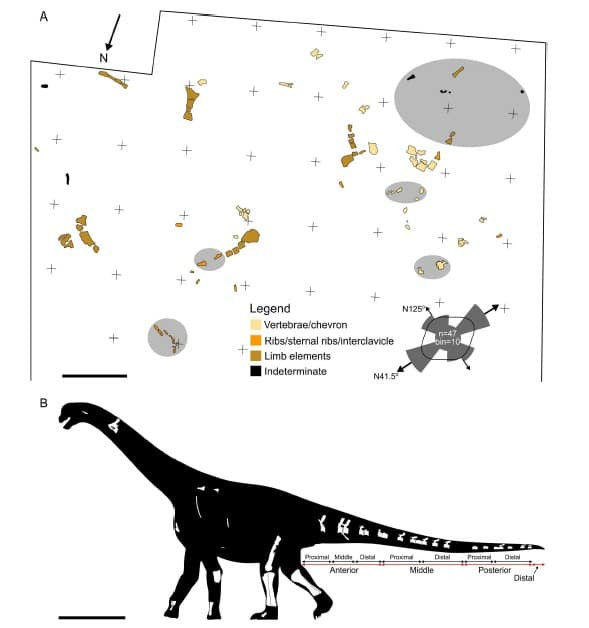
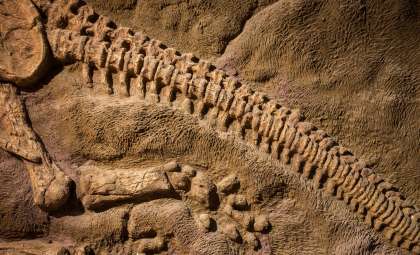
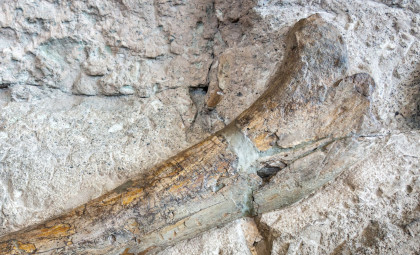
The detailed study, featured in the Journal of Vertebrate Paleontology, reveals that remains of Ceratocaudia antiqua were extracted from a single excavation site, comprising 181 fossil fragments. These include vertebrae, ribs, forelimb and hindlimb bones, all attributed to one specimen.
The fossils are curated at the Vertebrate Palaeontology Lab in the Department of Earth Sciences, Indian Institute of Technology Bombay, located in Mumbai. The rock layers date ambiguously, spanning from the Pliensbachian stage of the Early Jurassic to the Bajocian stage of the Middle Jurassic.
The researchers estimate the dinosaur to be roughly 190 million years old, enriching knowledge about a time when early neosauropod fossils are especially scarce.
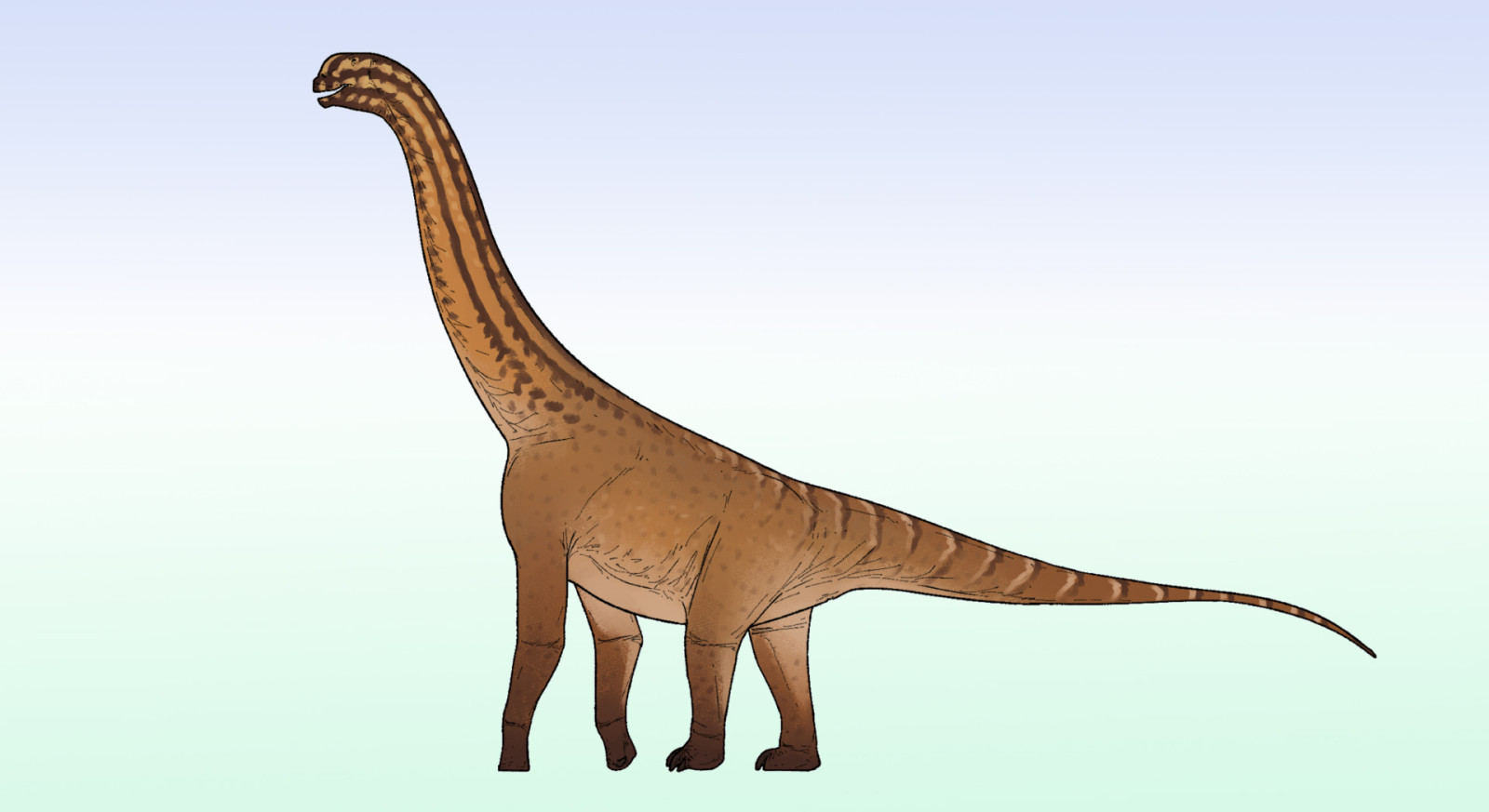
This find is crucial because early neosauropods are seldom represented in the fossil record, and each new discovery clarifies their emergence and global expansion patterns.
An Early Relative of the Giant Sauropods
The research team employed phylogenetic analysis to determine Ceratocaudia antiqua’s evolutionary position within the sauropod family. The results place it among the initial members of Macronaria, a subgroup of Neosauropoda that later encompassed numerous gigantic species.
According to the authors, fossil evidence suggests widespread distribution of neosauropods by the Middle Jurassic, with the Indian specimen supporting the hypothesis they were globally dispersed prior to the Bajocian stage.
This species was analyzed alongside two Chinese sauropods, Dashanpusaurus dongi and Yuzhoulong qurenensis, collectively indicating an early, worldwide presence of neosauropods before their famous gigantic forms emerged.
The Indian fossil represents one of the earliest definitively identified neosauropods, providing crucial insights into the early evolution of a group that would dominate Jurassic and Cretaceous terrestrial ecosystems.
Tail Reconstruction Suggests Defensive Behavior
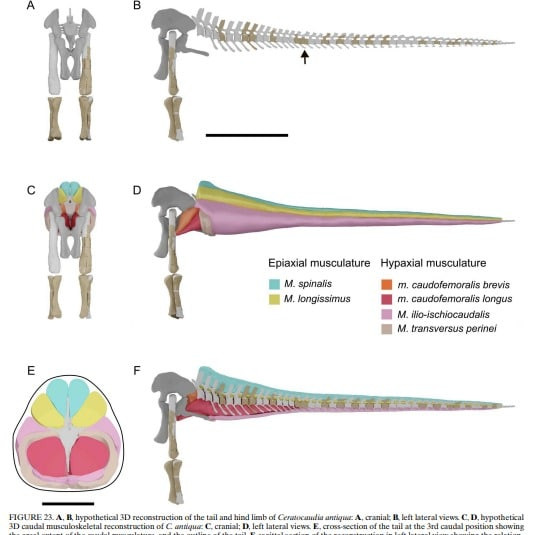
Researchers also examined the functional role of Ceratocaudia antiqua’s tail. Through digital reconstruction, they modeled the tail musculature by comparing it with living crocodilians and lizards. The analysis suggests the sauropod held its tail horizontally, capable of swinging it side-to-side.
“The hypothetical model of Ceratocaudia antiqua suggests that the sauropod tail may have been useful as a mild deterrent to predators even without specialized adaptations like the whip-tail of flagellicaudatans,” researchers explained.
This study indicates that even early sauropods might have employed their physical traits in adaptive ways to thrive in Jurassic habitats.
- Categories:
- Science



0 comments
Sign in to Comment