
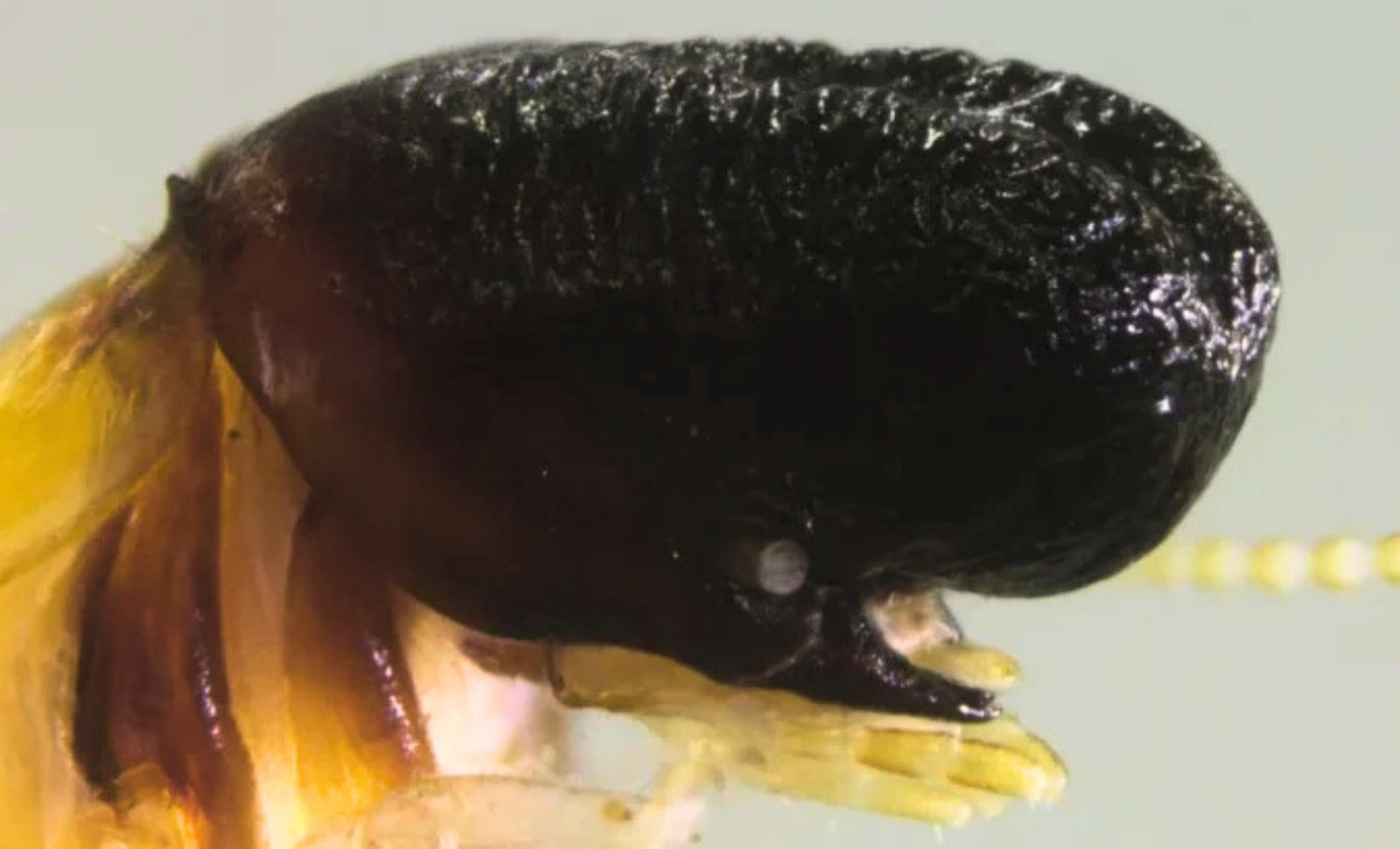
High in the lush canopy of French Guiana's rainforest, a forgotten dead branch dangling eight meters above the ground concealed an extraordinary discovery. Resident within it was a small colony of termites that went unnoticed for years. Upon breaking open the branch, scientists encountered soldier termites with an unprecedented head shape.
Though these insects were termites, their head structures defied any previously recorded termite morphology. Each soldier displayed a forward-extended, blunt snout-like skull that startled researchers, evoking imagery of a far larger creature.
At the Nouragues research station, known for its remote location amid untouched rainforest, scientists routinely gather dead wood from tree canopies. They seek out branches still suspended where termites form colonies safe from predators on the forest floor. It was during one such climb that this remarkable termite species was uncovered.

The insects hail from the genus Cryptotermes, a group of termites that specialize in inhabiting dead wood. While fifteen species were already known across South America, none prepared the team for this surprising find in a single branch.
Concealed Mandibles Beneath a Striking Head
These soldiers, measuring only a few millimeters, carry heads disproportionately large compared to their bodies. Their skull extends forward into a pronounced rostrum that completely hides the mandibles beneath.
Unlike typical termite soldiers that use exposed mandibles for colony defense, these termites keep theirs covered beneath the elongated head. How they defend their nests remains a mystery for scientists.
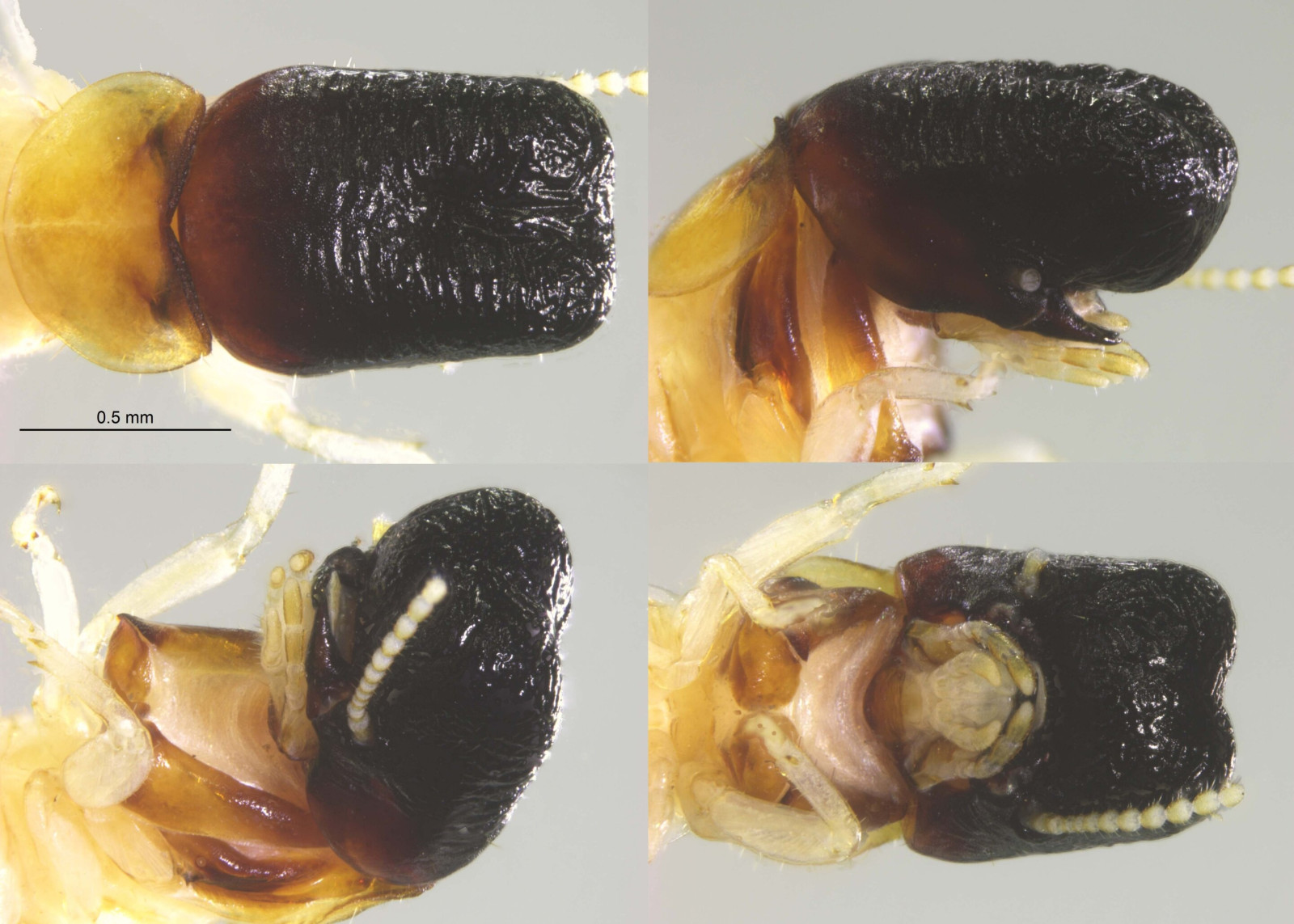
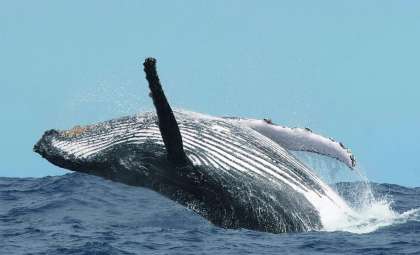
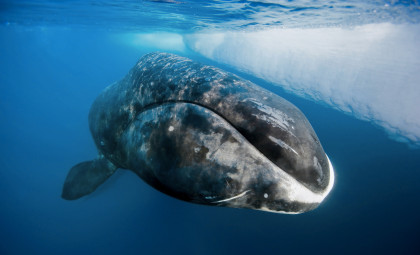
This distinctive anatomy challenges known characteristics within the Cryptotermes genus. Rudolf Scheffrahn and colleagues formally described the species in the journal ZooKeys, naming it Cryptotermes mobydicki in homage to the iconic sperm whale from Herman Melville’s novel Moby-Dick. This name reflects the termite’s blocky head silhouette reminiscent of the whale’s distinctive shape.
The comparison goes beyond literature—the termite’s elongated head strikingly mirrors the massive marine mammal’s profile, only miniaturized to insect scale.
Evolutionary Ties Across the Caribbean Basin
Following the morphological identification, the research team conducted genetic analyses to establish the evolutionary position of this new termite relative to others. Their findings revealed an intriguing geographic connection.
Cryptotermes mobydicki shares genetic similarities with populations located in Colombia, Trinidad, and the Dominican Republic—regions separated by extensive distances of land and sea. This suggests the ancestors of these termites spread across tropical America, possibly aided by ocean currents, migratory birds, or historical environmental changes.
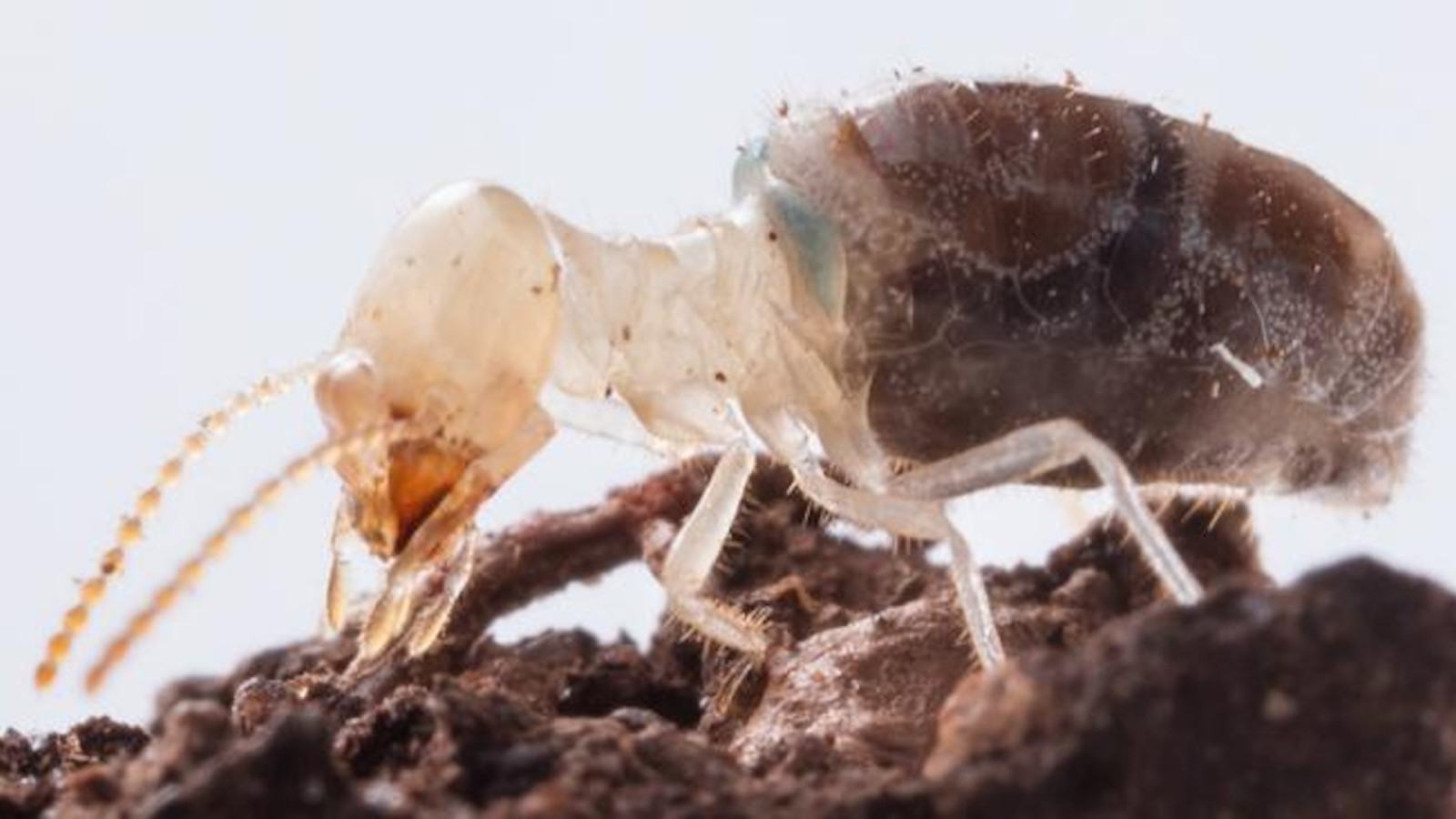
As populations became isolated, they evolved independently, with the French Guiana group developing the extraordinary head shape that makes Cryptotermes mobydicki distinct. The team estimates all these groups descended from a shared ancestor that colonized diverse tropical American habitats.
This find increases the total known Cryptotermes species in South America to sixteen, each occupying specific microhabitats usually within dead suspended wood. None show the remarkable head morphology of Cryptotermes mobydicki.
Harmless to Human Structures
Although termites often evoke images of pests damaging buildings, Cryptotermes mobydicki poses no threat to human structures. This species is strictly associated with decomposing dead wood in natural forest environments, not attacking live trees or wooden constructions.
These termites contribute essentially to nutrient recycling by breaking down dead canopy branches, facilitating the return of nutrients back into the ecosystem. Eventually, the decayed wood falls to the forest floor, continuing decomposition.
The Nouragues research station is situated within a protected zone of French Guiana, long a focal point for biodiversity studies. Advances in canopy sampling now enable researchers to explore previously unreachable habitats.
Untapped Mysteries of the Forest Canopy
The identification of Cryptotermes mobydicki highlights the rich yet largely unexplored biodiversity residing in forest canopies. Compared to ground-level environments, the upper forest layers remain relatively unknown, offering chances to discover never-before-seen species.
For the team who found these termites, their extraordinary head shape immediately sparked evolutionary and functional questions. Why did such an unusual head evolve in this species but not in its close relatives? What benefits does the pronounced rostrum provide within the narrow tunnels of dead wood?
These questions remain open. The researchers concluded in their paper that the adaptive purpose of this distinctive head form is yet to be determined, leaving room for future investigation into this unusual termite trait.
- Categories:
- Science






0 comments
Sign in to Comment