
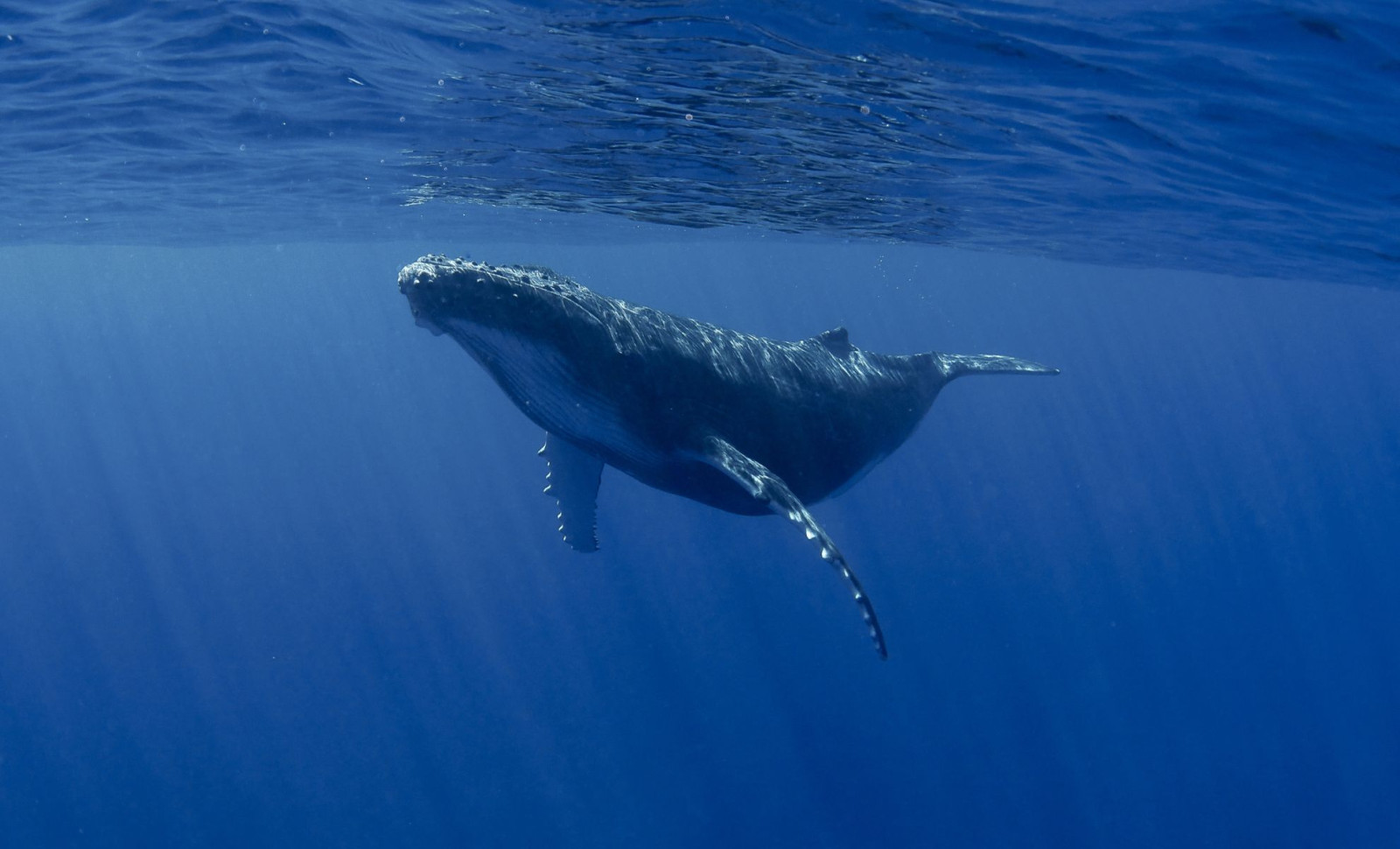
For almost forty years, scientists have been puzzled by a unique underwater call echoing across the North Pacific. This mysterious signal, at a frequency of 52 hertz, stands apart from any known whale vocalizations. The whale producing it, affectionately dubbed “52 Blue”, has been called the “loneliest whale” due to its singular, unmatched song.
The tale began in December 1992 when Joe George, a technician at the Naval Air Station Whidbey Island, detected this unusual tone via the Sound Surveillance System (SOSUS). Originally developed for submarine tracking during the Cold War, SOSUS unexpectedly captured a whale call unlike any recorded before. Typical blue and fin whale songs fall between 10 and 40 hertz, making the 52 hertz call unprecedented.
A Whale With a Unique Voice
Scientists had actually recorded a similar call even earlier. Researchers from the Woods Hole Oceanographic Institute picked up this signal as far back as 1989 during North Pacific surveys. After the Navy released these recordings, experts began examining them more closely. According to a 2004 report in Deep-Sea Research:

“it is perhaps difficult to accept that if this was a whale, that there could have been only one of this kind in this large oceanic expanse, yet in spite of comprehensive, careful monitoring year-round, only one call with these characteristics has been found anywhere, and there has been only one source each season.”
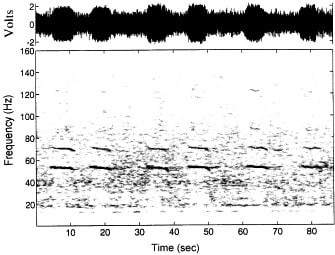
The peculiarity of 52 Blue lies in the unusually high pitch of its call. As noted by The Atavist, no known whale species vocalizes at this frequency. Blue whales, fin whales, and humpbacks can detect the sound but don’t produce calls at 52 hertz. Christopher Clark, from Cornell University, explained:
“The animal’s singing with a lot of the same features of a typical blue whale song. Blue whales, fin whales and humpback whales: all these whales can hear this guy, they’re not deaf. He’s just odd.”
Some conjecture that this individual might be a deaf blue whale, yet its song retains distinctive blue whale patterns, keeping the enigma unresolved.
Hybrid Possibilities and Shifting Marine Environments
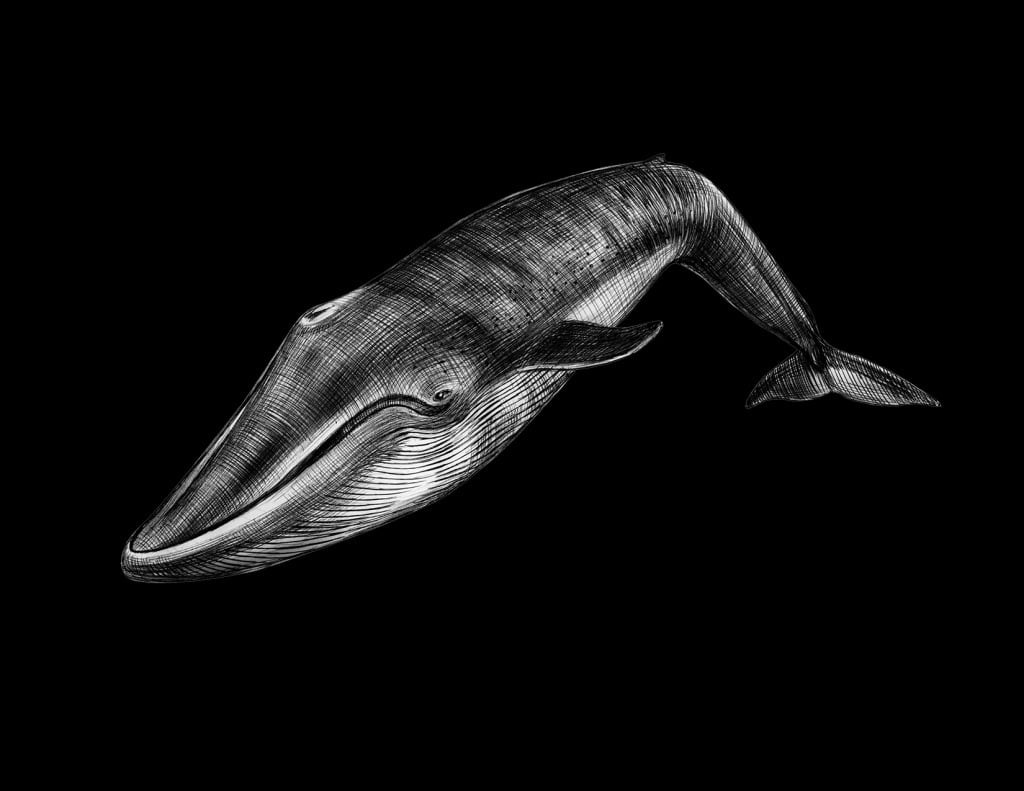
One hypothesis suggests this whale could be a hybrid between blue and fin whales, often called a “flue” whale. According to Grist, fin whales outnumber blue whales significantly; in 2024, approximately 37,000 fin whales reside near Iceland, compared to around 3,000 blue whales. Aimee Lang, a marine biologist with NOAA, remarked:
“Three thousand is not a very high density of animals. So you can imagine if a female blue is looking for a mate and she can’t find a blue whale but there’s fin whales all over the place, she’ll choose one of them.”
As marine habitats evolve, populations could grow more separated, which might lead to increased hybridization and influence how these whales communicate beneath the waves.
Insights From Whale Vocalizations into Ocean Depths
The immense calls of these ocean giants are incredibly powerful. Blue whales can produce sounds reaching up to 188 decibels, surpassing the roar of a jet engine. These calls can travel for thousands of miles underwater, crossing entire ocean basins. The Atavist highlighted that such vocal abilities are essential for whales to locate prey, navigate, and maintain contact with others over vast distances.
Astonishingly, 52 Blue has been emitting its signature call for nearly four decades, demonstrating an enduring effort to engage with its underwater environment. Researchers are gradually decoding the complex patterns within whale songs, shedding light on the sophisticated communication methods of these majestic creatures.
- Categories:
- Science









0 comments
Sign in to Comment