
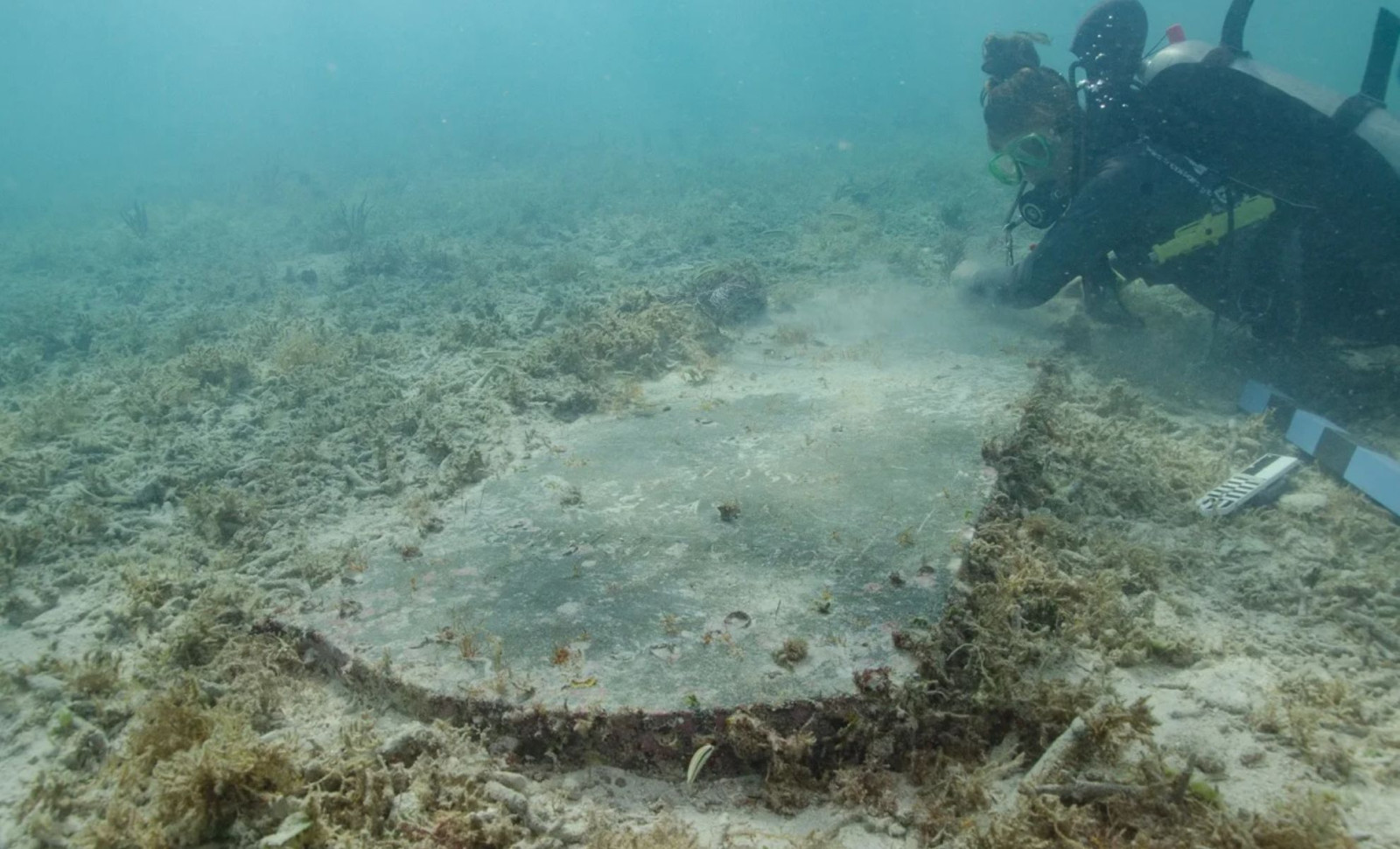
Underwater archaeologists have recently uncovered the remains of an old quarantine hospital alongside a small burial site on a submerged island in Dry Tortugas National Park. This revelation lies close to Fort Jefferson, a landmark that has played a central role in the history of one of America's most secluded 19th-century outposts.
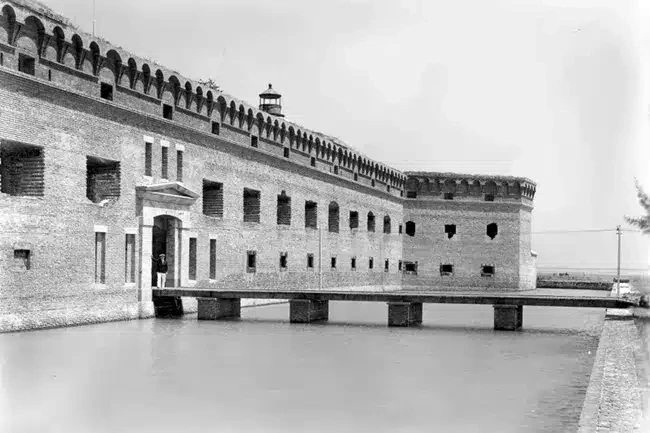
Constructed to secure vital shipping lanes connecting Gulf Coast harbors with the eastern United States, this imposing fortress sheltered soldiers, inmates, workers, and support personnel over many decades. Despite the fort’s prominence in history, the personal stories of many individuals who inhabited the site have remained largely overlooked.
The newly found location enriches our understanding of that history. Alongside remnants of medical facilities used during outbreaks, archaeologists came across traces of people whose lives have long remained undocumented.

Unearthing a Historic Cemetery Linked to Fort Jefferson
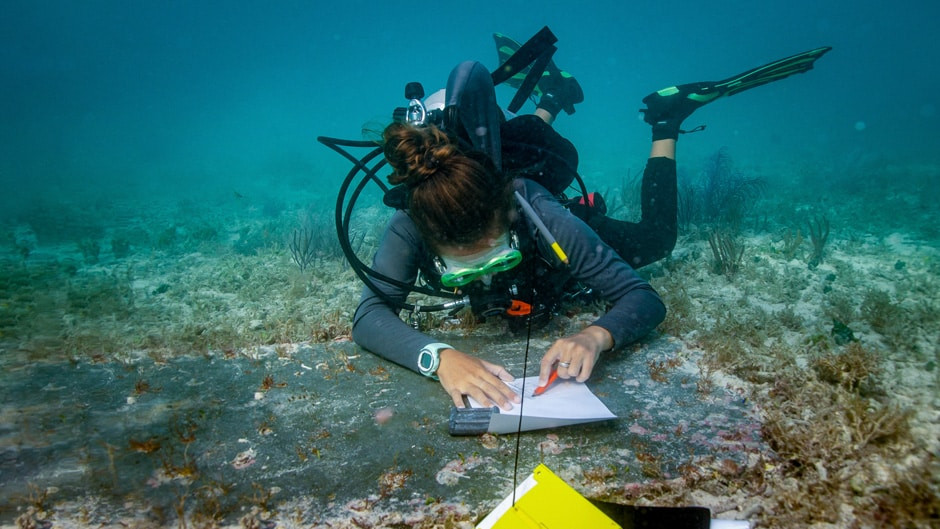
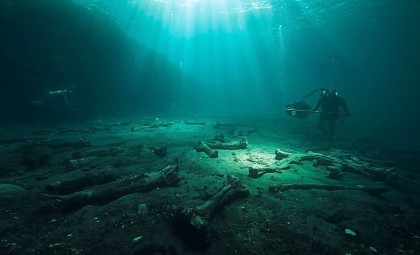
According to a University of Miami press release, the discovery emerged during an underwater expedition near Garden Key, where Fort Jefferson stands. The survey team identified remains of the Fort Jefferson Post Cemetery, a burial location referenced in old documents.
Historical research indicates that roughly a dozen individuals were interred there, mainly soldiers stationed at the fort along with some detained prisoners. A handful of civilians were also buried in this site.
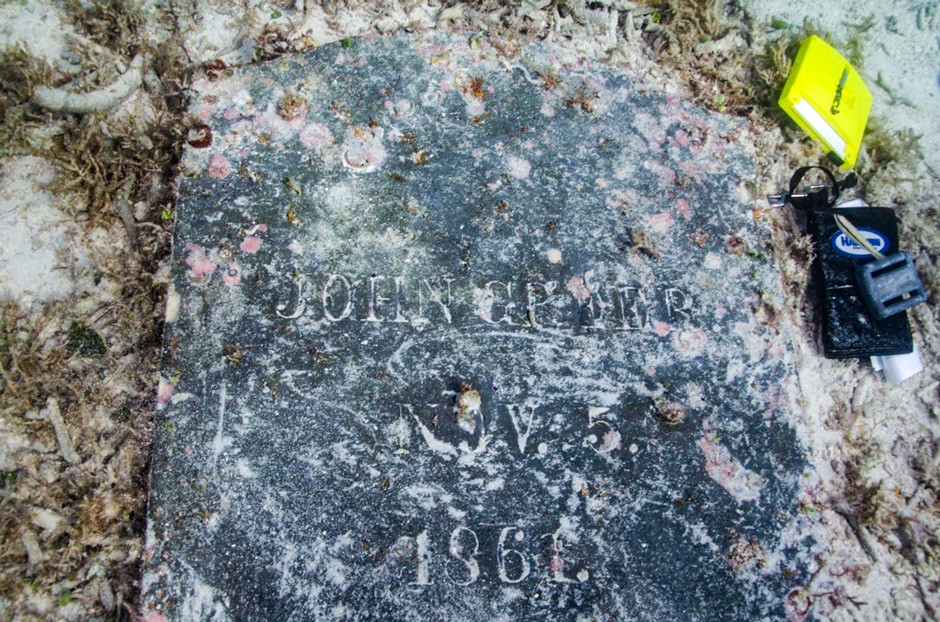
One grave especially caught attention. Historical records identify the occupant as John Greer, a laborer who passed away in 1861.
“On the day we surveyed the site, we counted 25 pylons in all,” explained former Rosenstiel School graduate student Devon Fogarty. “We were preparing to return to our boat, when I noticed a rectangular-shaped patch of seaweed.”
Further investigation revealed Greer’s burial marked by a significant slab of greywacke stone—the same material used in constructing Fort Jefferson’s ground floor. This stone slab was shaped into a headstone and engraved with Greer’s name and date of death, although the exact circumstances surrounding his demise remain unknown.
Discovering a Hospital Connected to Yellow Fever Containment
The team also uncovered the foundations of a quarantine hospital, linked to efforts in combating yellow fever epidemics that plagued the region throughout the 1860s and 1870s.
Historical narratives reveal a system of quarantine hospitals scattered among islands near Fort Jefferson, designed to isolate and treat infected individuals during yellow fever outbreaks.
Documents show many of these hospitals became obsolete after Fort Jefferson’s abandonment in 1873. Later, between 1890 and 1900, the U.S. Marine Hospital Service used the fort for medical purposes, necessitating a new isolation hospital.
Archaeologists believe the ruins found in the recent survey date back to this latter era. Although most of the structure has eroded over time, its presence provides crucial insights.
Unearthing Forgotten Lives in a Changing Environment
The importance of this discovery lies not only in the physical remains but also in the personal histories of those connected to the site.
“This intriguing find highlights the potential for untold stories in Dry Tortugas National Park, both above and below the water,” maritime archaeologist Josh Marano, who directed the project, said in a statement. “Although much of the history of Fort Jefferson focuses on the fortification itself and some of its infamous prisoners, we are actively working to tell the stories of the enslaved people, women, children and civilian laborers.”
Ongoing research aims to better document the experiences of enslaved individuals, women, children, and civilian workers connected to the site’s past. The survey also underscores how the landscape in this area has dramatically transformed.
Findings show that both the hospital and cemetery initially existed on firm land. However, over time, natural changes in the island, intense storms, erosion, and climate impacts have altered the terrain significantly.
- Categories:
- Science


0 comments
Sign in to Comment