
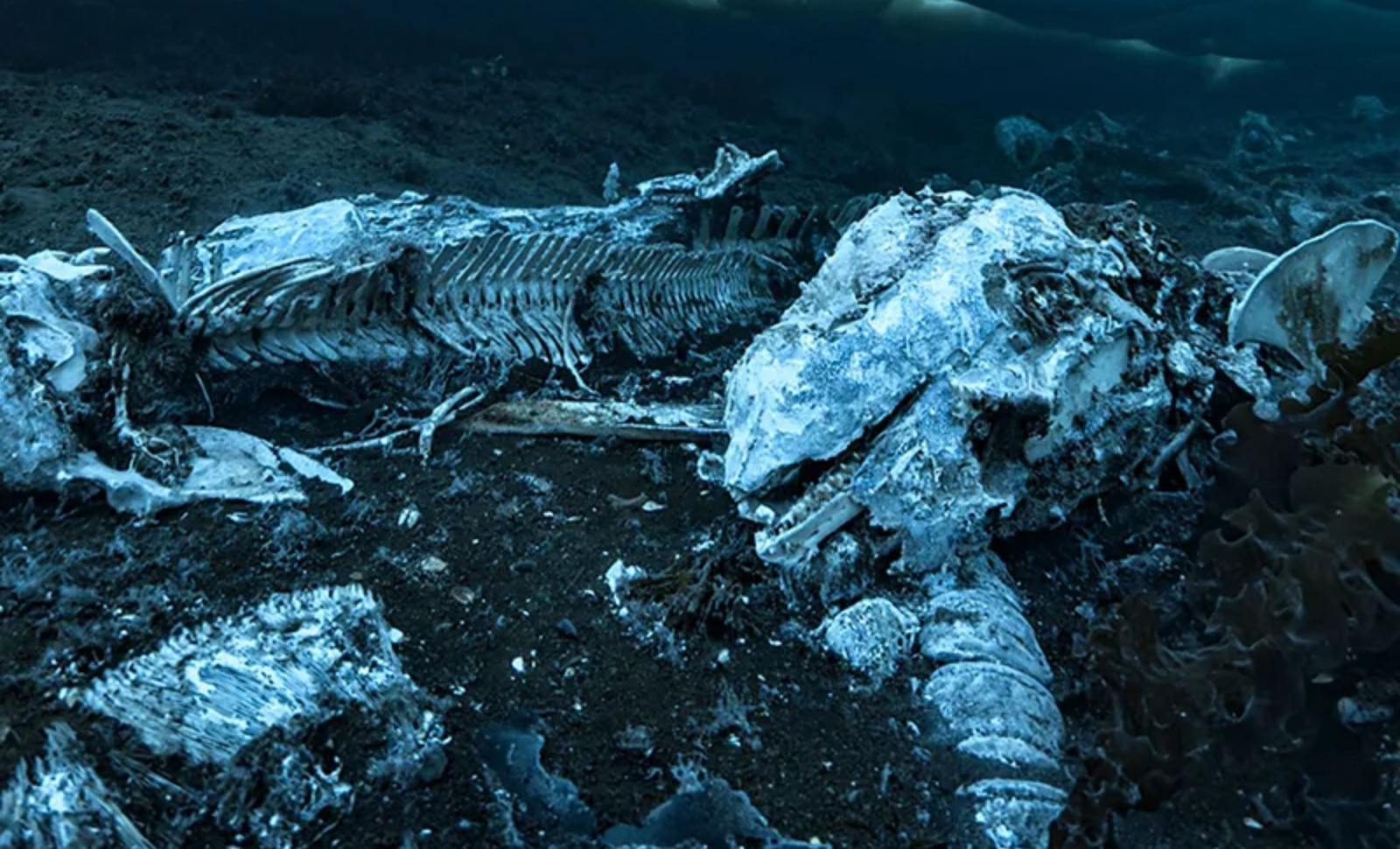
Whales play a crucial role in ocean ecosystems by transporting vast amounts of organic matter through marine environments. Their massive bodies hold substantial stores of flesh, fat, and bone, making them key sources of nutrients in the deep sea.
When a whale dies, its carcass may drift on the surface briefly as decomposition gases accumulate. Eventually, it sinks into the abyss, creating a rare feast on the often food-scarce ocean floor.
Rapid Arrival of Scavengers
The initial stage of whale decomposition attracts large scavengers with keen detection abilities from afar. Adrian Glover, a deep-sea scientist at London’s Natural History Museum, identifies this community as including sleeper sharks, hagfish, and abundant scavenging amphipods.

These creatures consume the whale’s soft tissues, exposing the skeleton underneath during what is called the mobile scavenger phase, which can span several years. According to BBC News, hagfish stand out due to their unique anatomy—they possess a skull but no vertebrae—and their feeding method of burrowing inside carcasses to consume soft tissue from within.

Rattail fish are also frequent visitors, dwelling as deep as 4,000 meters. Equipped with large eyes sensitive to faint bioluminescence and sensory barbels beneath their jaws, they navigate near-total darkness. Their keen olfactory senses help detect decaying matter like whale remains throughout the ocean floor.
Unusual Bone-Feeding Worms
As soft tissue becomes scarce, a new group takes over: Osedax worms, or the so-called bone-eating worms.
These polychaete worms surge during the enrichment-opportunist stage. One species, Osedax mucofloris, discovered on a whale carcass in 2005, earned the nickname “bone-eating snot-flower.”
Their approach to feeding is distinct from that of other marine creatures. Glover describes how these worms secrete acid to dissolve bone, thereby accessing nutrients inside. As noted by Greg Rouse, curator of benthic invertebrates at the Scripps Institution of Oceanography:
“They decalcify the bone, getting to the collagen,” he said. “The bone then becomes very spongy and can be torn apart by crabs and other scavengers.”

Populations of Osedax can flourish, reproduce, and perish on a single whale fall over a decade’s span. Before their food source vanishes, they release larvae into ocean currents to enhance chances of colonizing other whale falls across the ocean depths.
Long-Lasting Sulfur-Based Ecosystems
As scavengers and worms continue to feed, yet another community forms around the remnants. During the sulphophilic phase, bacteria breaking down bone organic material emit hydrogen sulfide, feeding chemosynthetic organisms that obtain energy from chemical reactions rather than sunlight.
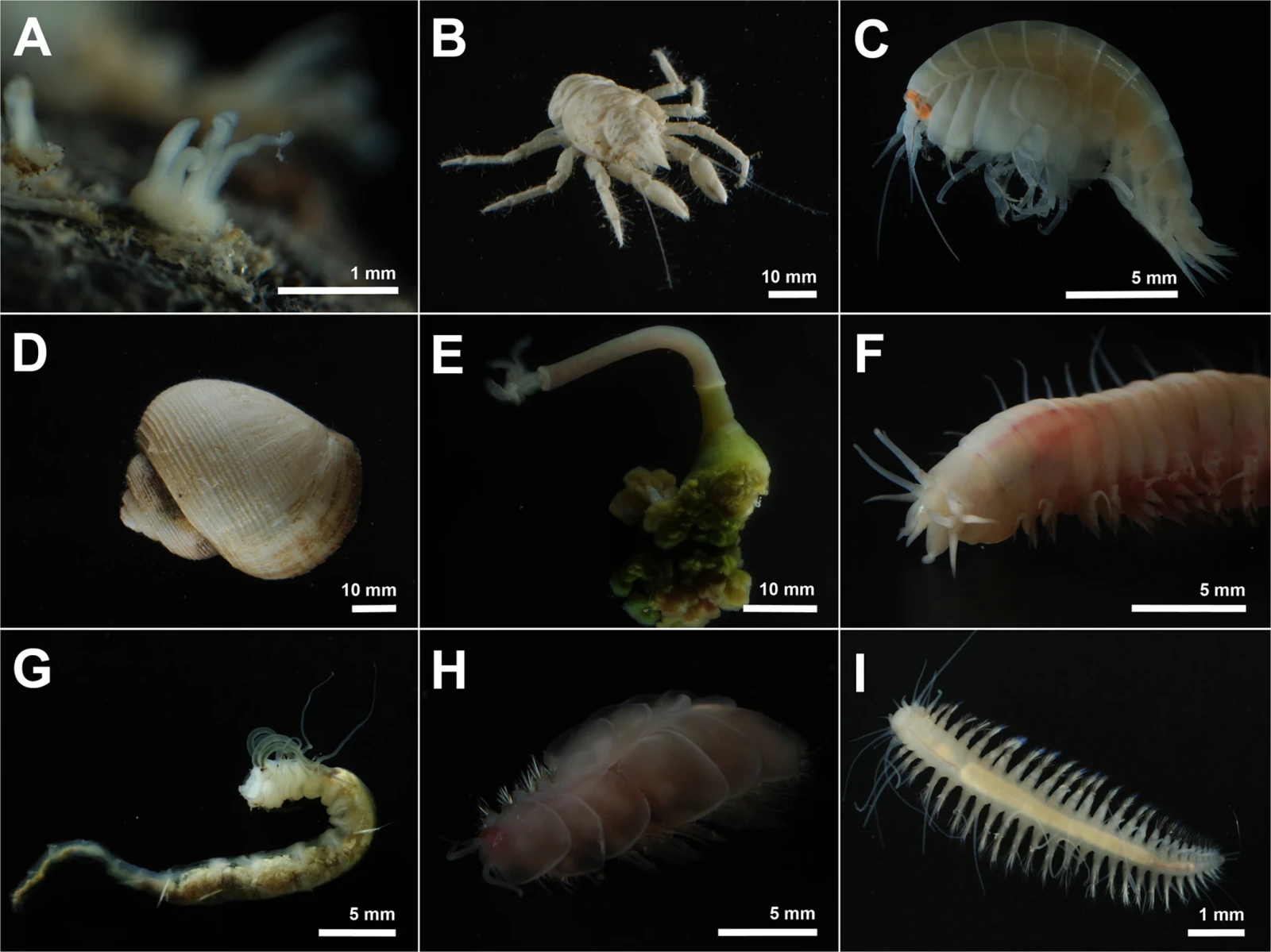
According to the BBC, many of these microbes live in partnership with invertebrates, providing key nutrients for survival. This unique sulfur-driven ecosystem can persist for up to 50 years, enabling a single whale carcass to sustain complex life long after settling on the seafloor.
“The ability of organisms to evolve to exploit these remarkable, weird, amazing adaptations to these unusual environments… we’re constantly surprised,” Glover said.
- Categories:
- Science




0 comments
Sign in to Comment