
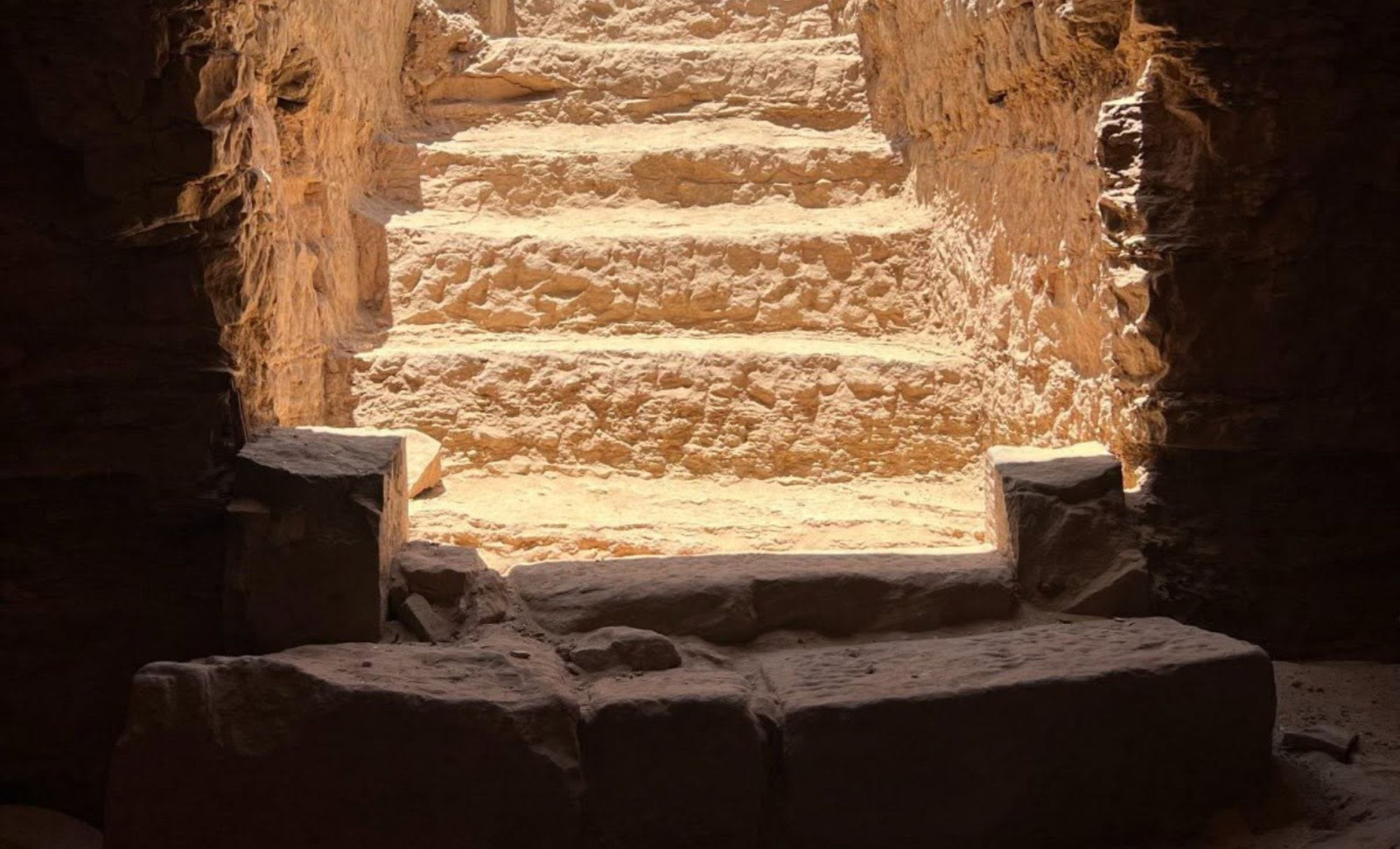
Archaeologists uncovered an underground burial chamber near Egypt’s Aga Khan Mausoleum, revealing a six-foot limestone sarcophagus adorned with intricate hieroglyphic carvings. This remarkable find sheds light on the extensive cemetery that served ancient Aswan for centuries.
The excavation was carried out by a collaborative team from Egypt’s Supreme Council of Antiquities and the University of Milan. Experts describe this tomb as one of the most architecturally sophisticated structures unearthed at the site so far.
Rather than standing alone, this tomb is part of the vast Aga Khan necropolis, a cemetery that catered to a diverse community inhabiting Egypt's southern borders during the Ptolemaic and Roman eras. Ongoing research is gradually revealing the remarkable scale and longevity of this burial ground.

Sealed Sarcophagus Inscribed with Sacred Texts
Access to Tomb No. 38 is via a staircase descending nine steps below the surface. Alongside the stairs, archaeologists discovered mudbrick benches likely used for placing offerings during funeral ceremonies.
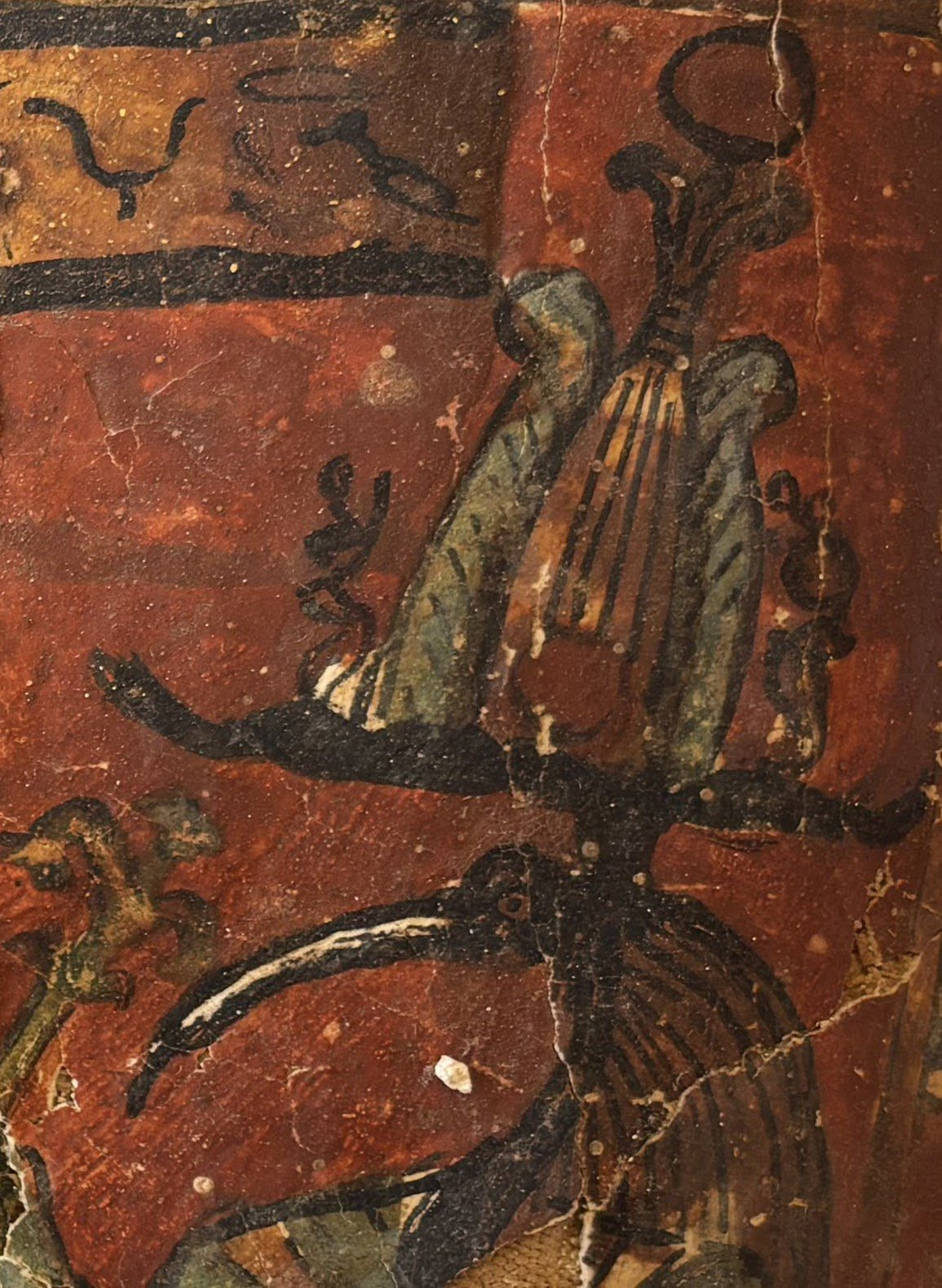
At the base of the staircase, the team found a limestone sarcophagus about six feet in length resting on a rock-carved platform. According to a statement from the Egyptian Ministry of Tourism and Antiquities, vertical hieroglyphic inscriptions on the sarcophagus include prayers to local gods and identify the occupant as Ka-Mesiu, an eminent official.
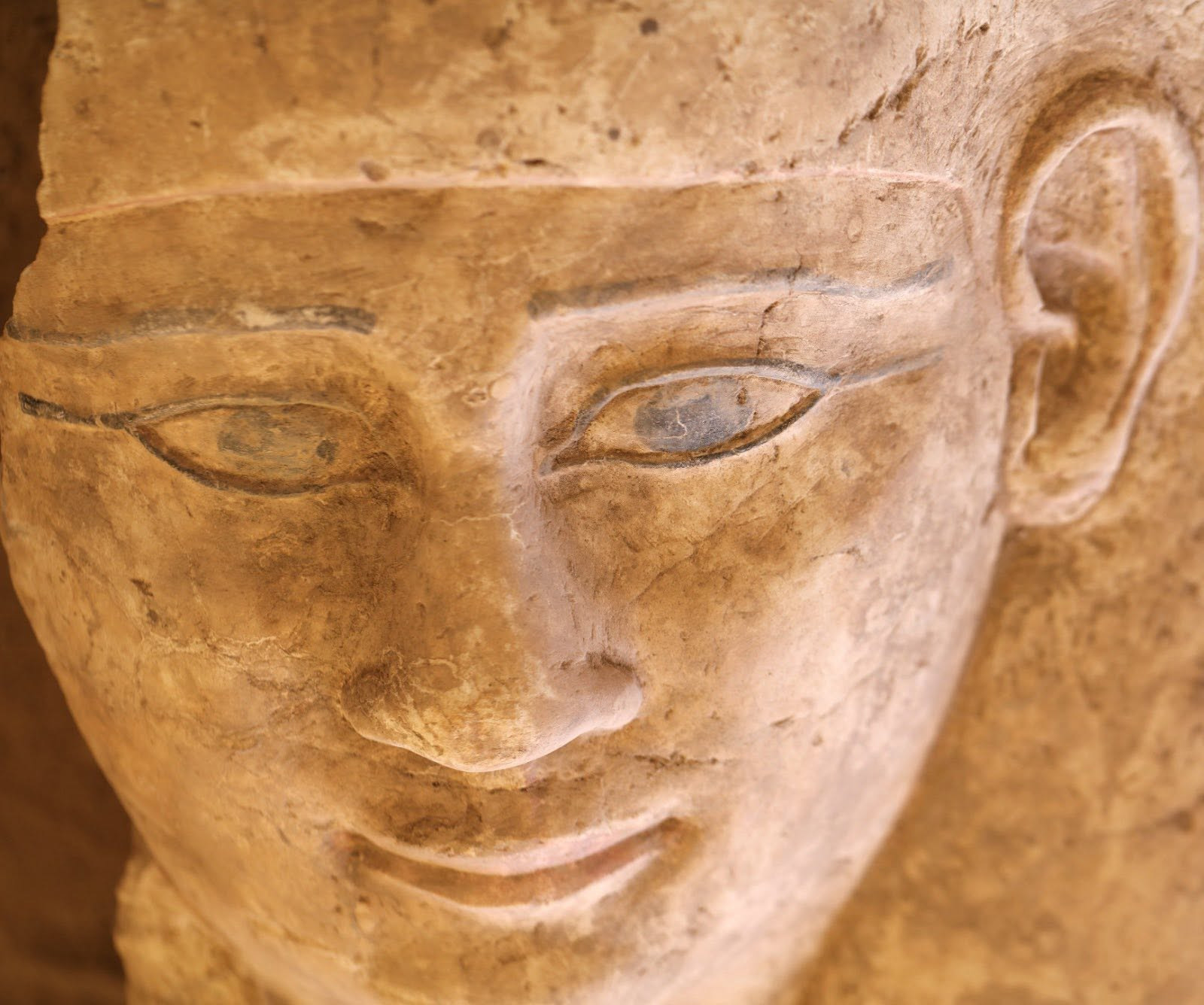
The sarcophagus lid is anthropoid, featuring a finely sculpted human visage, a traditional wig, and remaining painted ornamentation. The tomb also housed several mummies, including those of children, though it's unclear if all remains were placed inside the sarcophagus.
Part of a Vast Burial Complex Larger Than Previously Known
The sarcophagus is an impressive artifact, yet it represents just a portion of a much broader archaeological landscape. A 2026 report from the University of Milan notes that more than 400 tombs have been mapped across a sprawling area exceeding 75,000 square meters. The total necropolis might cover nearly 200,000 square meters, considering earlier mappings of over 500 tombs.
These numbers reveal a burial site far more extensive than initially thought. The active excavation zone currently spans roughly 25,000 square meters, leaving substantial portions awaiting exploration.
During its use, Aswan was a melting pot of Egyptians, Nubians, Persians, Phoenicians, Greeks, and Romans. Tomb No. 38 was part of a cemeterial network serving this wide-ranging community near Elephantine and Syene.
Commenting on the excavation, Egyptian Minister of Tourism and Antiquities Sherif Fathi stated:
“the newly uncovered tombs offer new insights into the social dynamics of the region during the Ptolemaic and Roman periods and reinforce Aswan’s historic status as a major cultural center in southern Egypt.”
Revelations on Burial Traditions Spanning Centuries
The vast necropolis is unveiling changes in funerary customs over the centuries. Mohamed Ismail Khaled, secretary general of the Supreme Council of Antiquities, highlighted that the site served various social strata through different historical periods.
While elite interments occupied the plateau’s summit, middle-class graves were concentrated along the slopes adjacent to the Aga Khan Mausoleum. Artifacts and mummified remains found in tombs AGH038 and AGH039 date from approximately the 3rd century BC to the 2nd century AD.
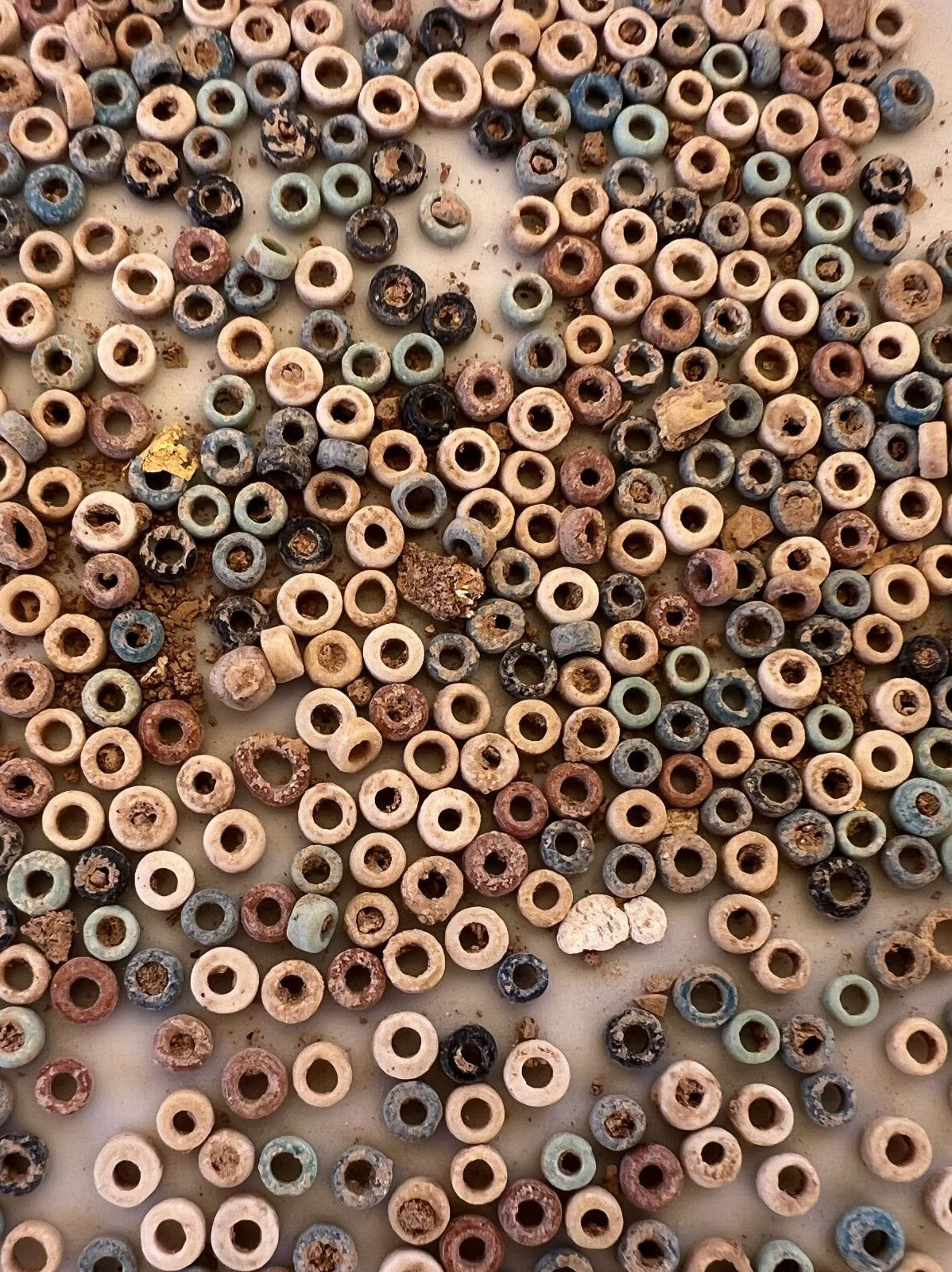
Further investigations continue at other necropolis sectors. CT imaging of two mummies from Tomb AGH026 revealed they were not a mother and child as once thought, but two children aged between four to six and eight to nine years old.
- Categories:
- Science





0 comments
Sign in to Comment