
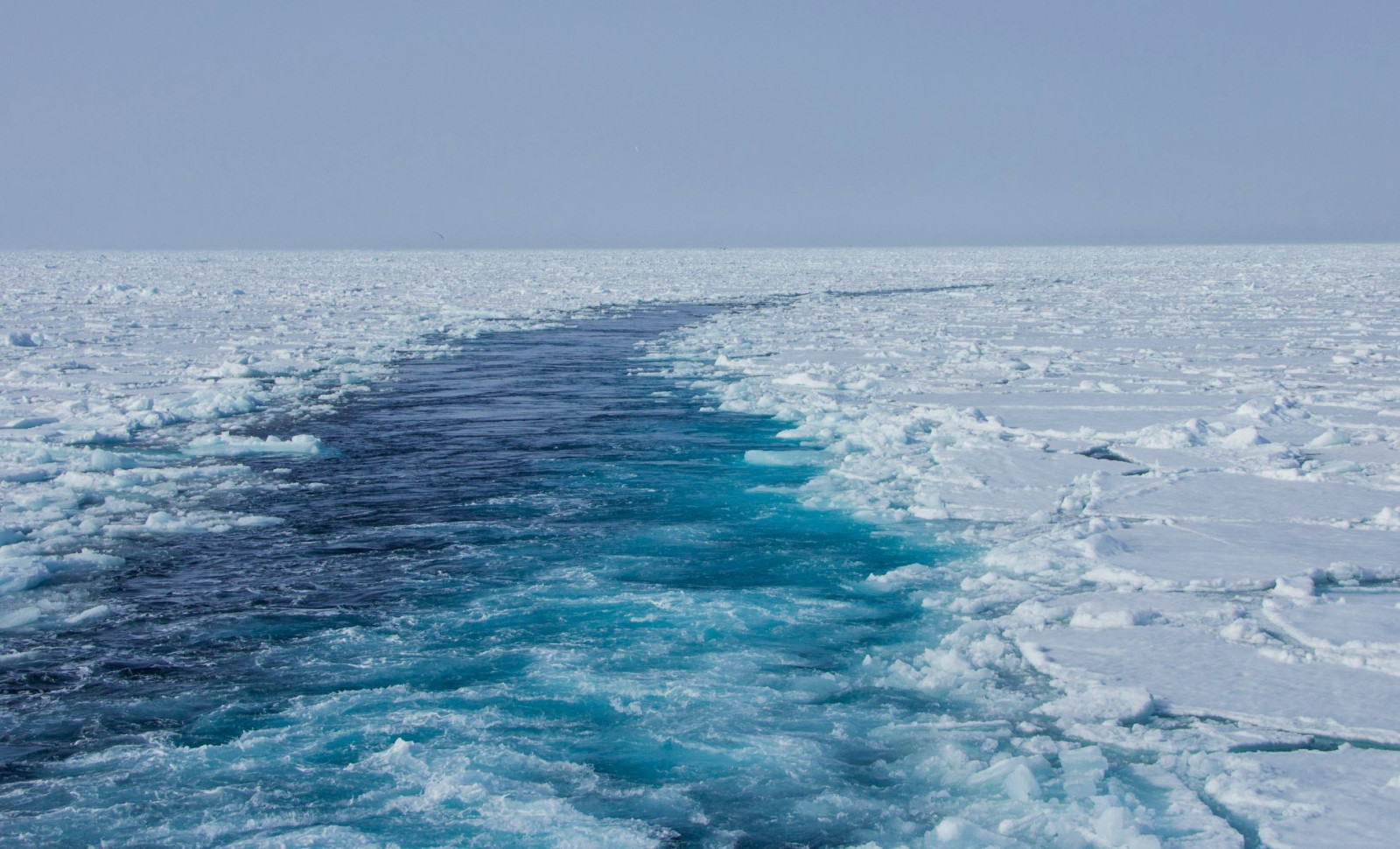
A team of scientists recently uncovered a vibrant ecosystem thriving nearly 2.5 miles beneath the Arctic Ocean. Guided by researchers Giuliana Panieri and Jonathan T. Copley, the group identified unique gas hydrate formations dubbed the Freya mounds, inhabited by organisms enduring total darkness and temperatures just above freezing.
This surprising habitat came to light during a 2024 expedition that deployed the remotely operated vehicle Aurora to investigate the Molloy Ridge in the Greenland Sea. The explorers observed methane hydrate structures releasing gas bubbles that support a surprisingly rich biological community, challenging previous assumptions about life at these Arctic depths.
Unveiling a Concealed Arctic Habitat
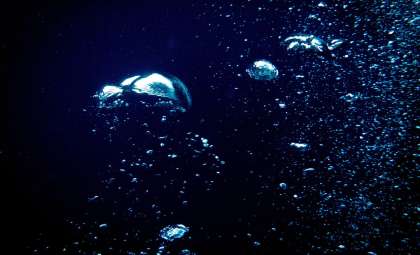
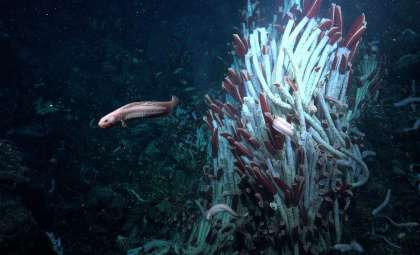
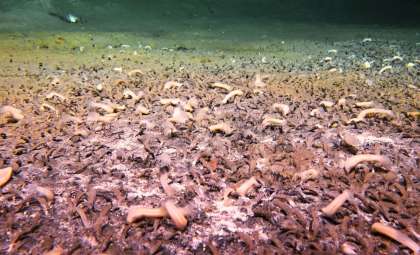
Describing the Arctic Ocean environment as harsh is an understatement. At depths approaching 4,000 meters, the surroundings are pitch dark, near-freezing, and devoid of sunlight. Yet, the Freya mounds teem with life. These gas hydrate formations, some reaching six meters across, emit streams of methane-rich bubbles into the ocean water.

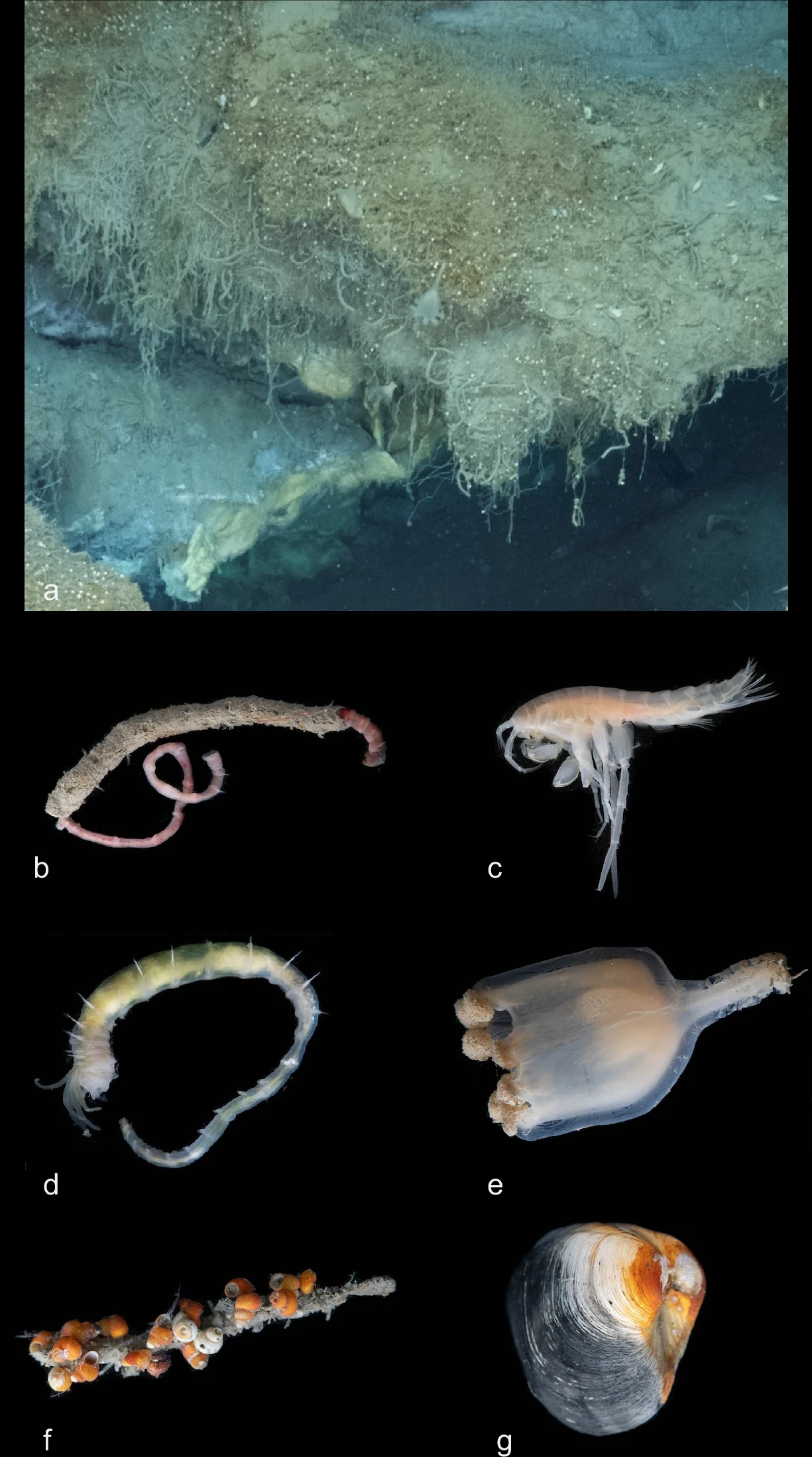
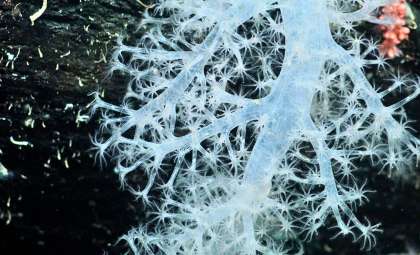
Species such as amphipods, shrimp, and tube worms form the core of this unusual community, subsisting without sunlight. Their survival depends on chemosynthesis, wherein bacteria metabolize methane and sulfide to generate energy. In the words of Giuliana Panieri:
“These hydrate mounds represent the deepest cold seeps ever found in the Arctic. They are active, dynamic systems that host unique life forms and play a role in global carbon cycling.”
The Role of Methane Hydrates in Climate Dynamics
Gas hydrates—frozen methane deposits—are increasingly recognized as important factors in climate processes, though their effects remain incompletely understood. When these methane-rich mounds emit gas, they release a powerful greenhouse gas that can impact global warming trends.
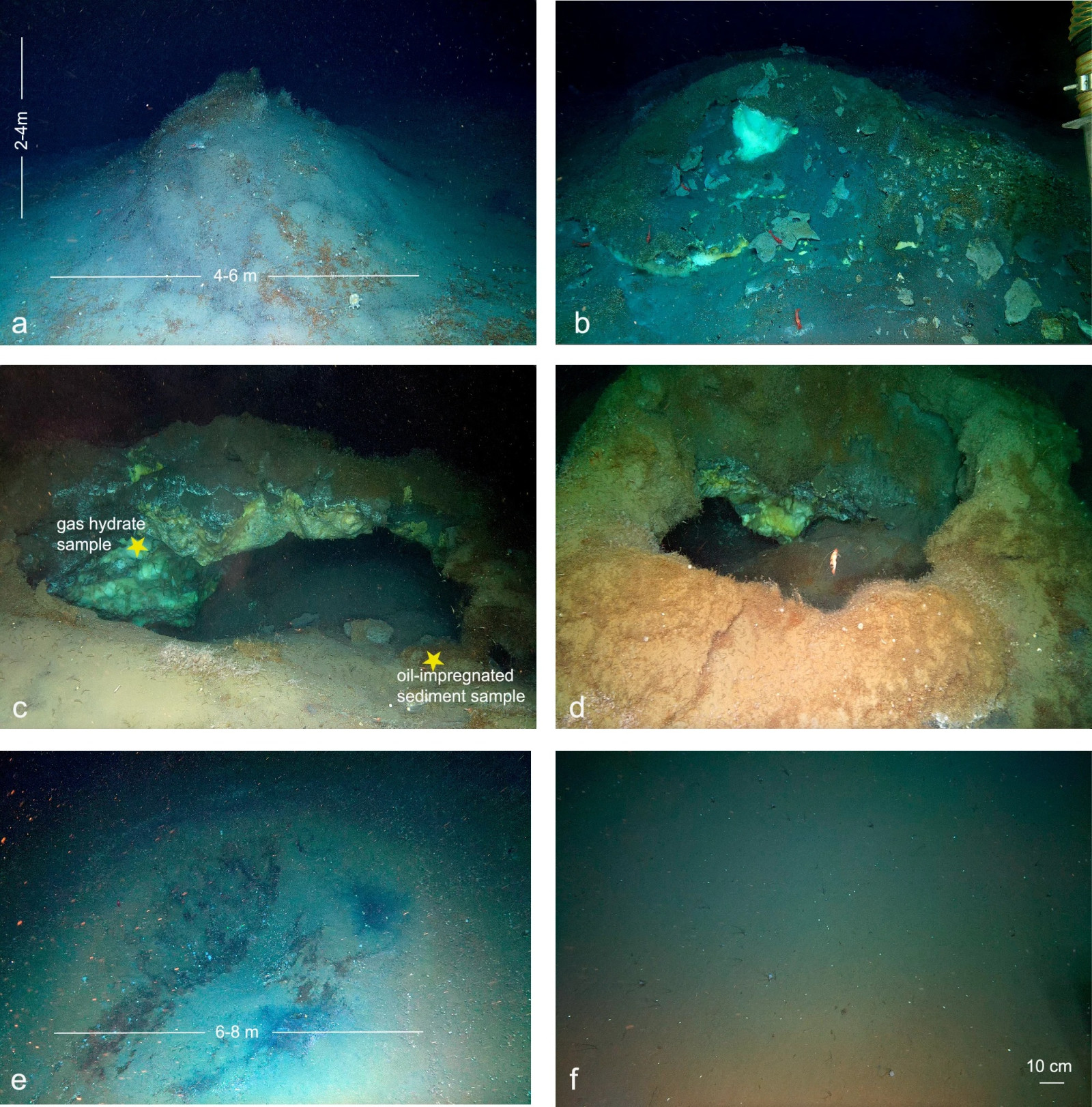
Panieri and colleagues, in their study published in Nature Communications, emphasize that this finding sheds light on the methane cycling process within Earth's systems. The methane emitted originates from organic matter buried within the Earth's crust. Understanding methane’s journey from seabed to atmosphere is crucial for forecasting climate change's future course. As Panieri explains:
“This discovery rewrites the playbook for Arctic deep-sea ecosystems and carbon cycling. Freya is both geologically restless and crowded with life in a part of the ocean once considered almost barren.”
Protecting the Arctic’s Fragile Deep-Sea Habitat
Although deep-sea mining is touted for its economic potential, the revelation of delicate ecosystems like those around the Freya mounds brings to light critical environmental concerns. Jonathan Copley, co-author of the research, stresses the necessity of safeguarding these underwater environments.
“Our study indicates that deep cold seeps in the Arctic will need similar protection [as hydrothermal vents],” Copley says, emphasizing the importance of safeguarding these ecosystems.
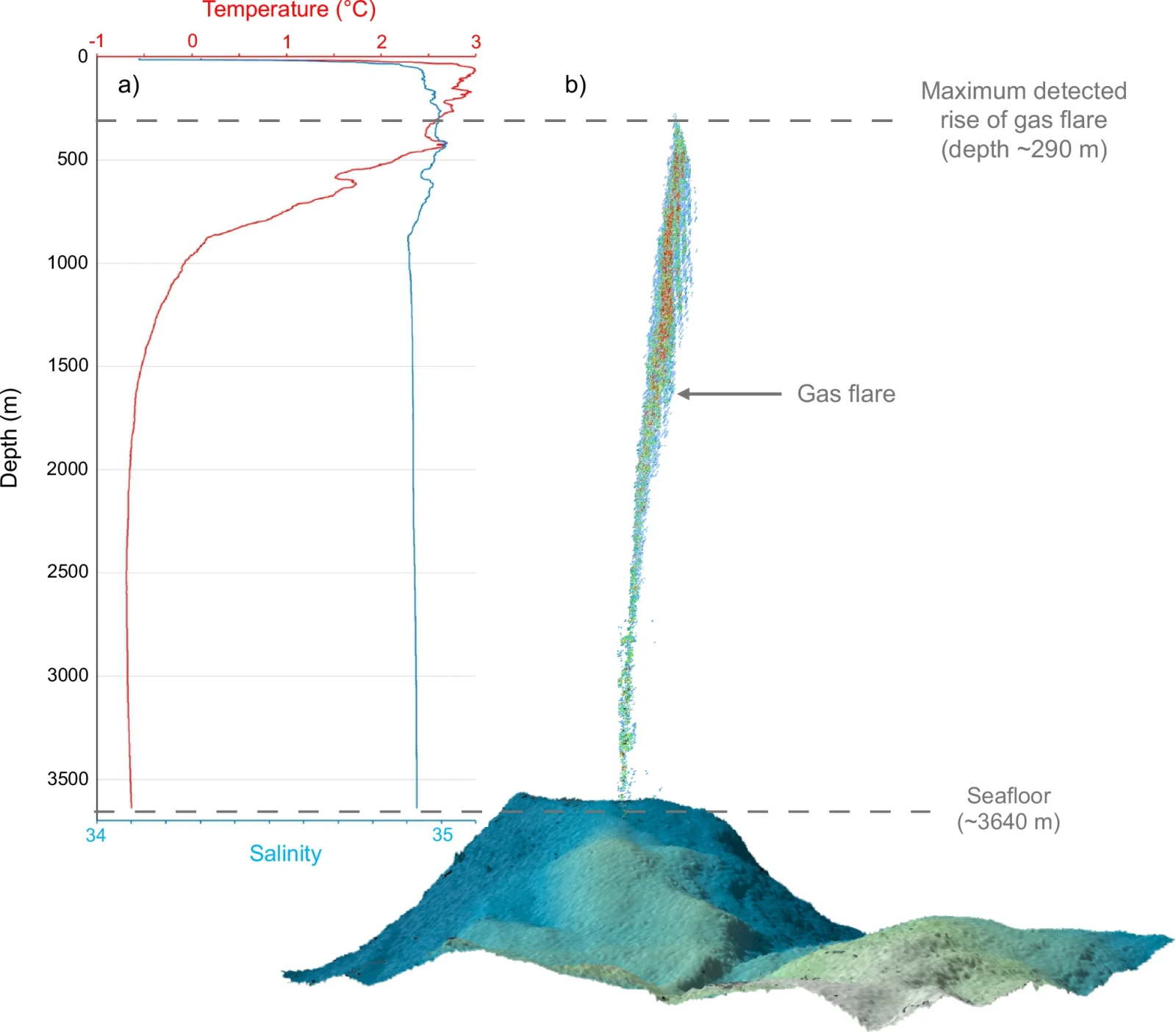
The discovery of the Freya mounds urges more than a temporary halt to mining activities—something Norway agreed to in early 2024. As Panieri notes: “Each time we peer at the seafloor, we uncover astonishing new phenomena.”
- Categories:
- Science



0 comments
Sign in to Comment