
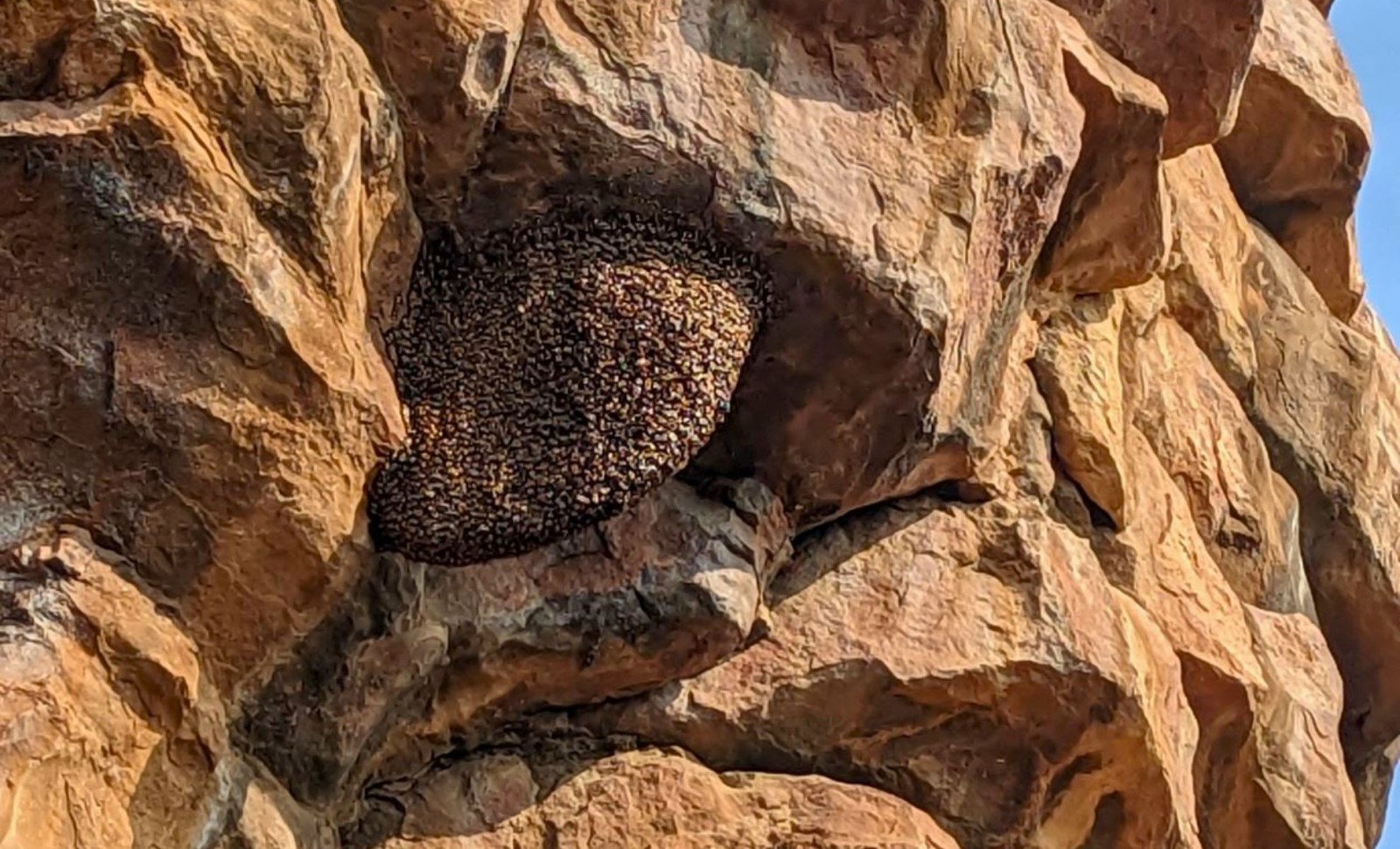
A specimen once considered a rare 550-million-year-old fossil of the prehistoric organism Dickinsonia at India’s Bhimbetka rock shelters has been re-identified. Instead of an ancient fossil, the object turned out to be the rapidly deteriorating remains of a beehive. This discovery, detailed in a new Gondwana Research publication, challenges prior age estimations of the rock shelters and may alter interpretations of the region’s early geological history.
How a Fossil Identification Went Awry
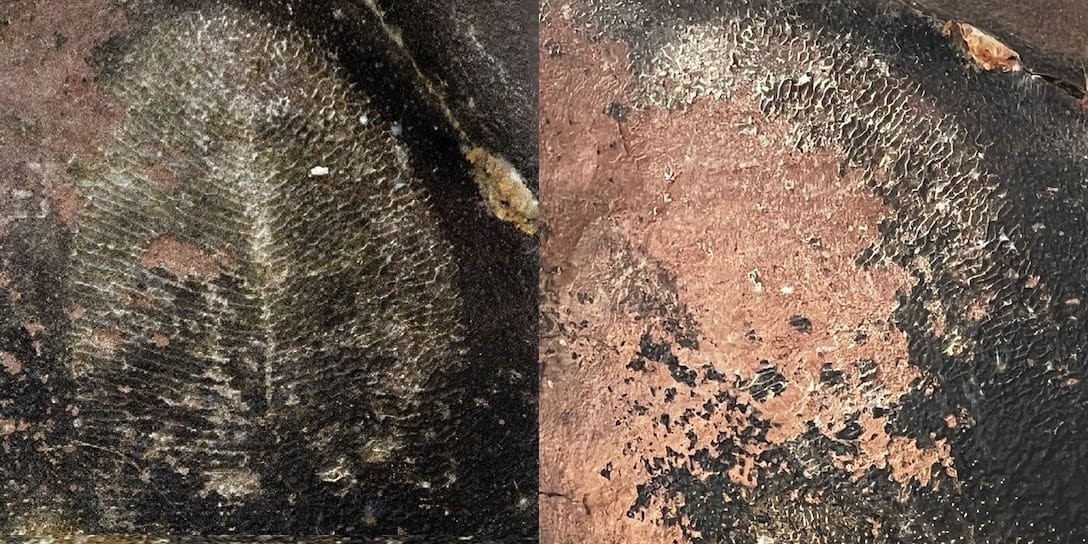
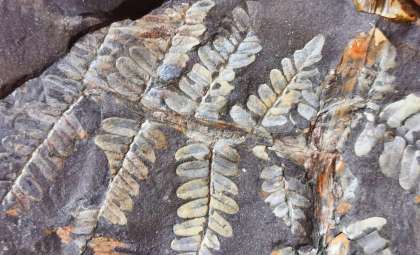
In 2020, scientists were elated by what seemed to be a Dickinsonia fossil: a characteristic flat, oval-shaped fossil from the Ediacaran era. This find was anticipated to provide important context for dating the Bhimbetka rock shelters, key sites in India's prehistoric record. Researchers believed the presence of such an organism would date the site to roughly 550 million years ago.
Yet, the initial enthusiasm faded when a follow-up visit in 2022 revealed the specimen had degraded noticeably. This raised questions about its authenticity. Joseph Meert, a geologist at the University of Florida, observed the sample peeling off from the rock surface, mounted almost vertically, an unusual orientation for a fossil.

“As soon as I looked at it, I thought something’s not right here,” Meert said. “The fossil was peeling off the rock.”
Reevaluating the Evidence: It’s a Beehive, Not a Fossil
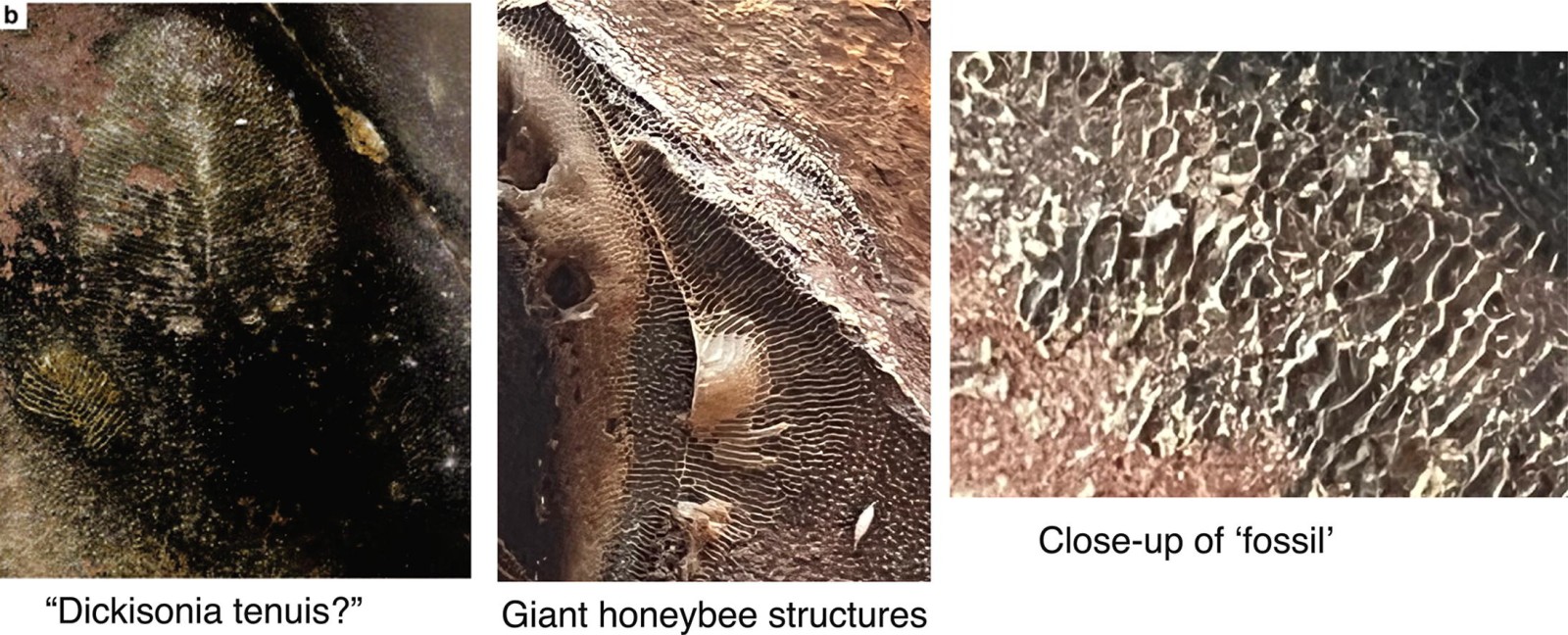
Further investigation uncovered additional structures within the caves, identified as the remains of large beehives. This comparison clarified that the supposed fossil was actually the decaying residue of a beehive rather than an ancient organism.
Notably, the dark-colored substances encircling the structure matched the properties of propolis:
the sticky "brown-colored material composed of a mix of beeswax, saliva, and plant resins used as ‘glue’ to repair and give integrity to the hive.”
The features initially taken for fossilized traces of Dickinsonia correspond more closely to the remnants of an active beehive.
Rethinking the Rock Shelters’ Timeline
Earlier estimates based on zircon crystal analysis surrounding the caves had dated the site to as much as a billion years old, consistent with the magnetism of nearby formations. With the dismissal of the Dickinsonia fossil, efforts to accurately date these rock shelters have taken on renewed importance for geologists and paleontologists.
The misidentification also serves as a reminder of the scientific method’s evolving nature: hypotheses must be consistently challenged and updated. The initial researchers have since acknowledged their oversight, underscoring that science progresses through continuous scrutiny. Gregory Retallack, paleontologist at the University of Oregon, who was involved in the first study, commented:
“It is rare but essential for scientists to confess mistakes when new evidence is discovered.” This openness is key to advancing our understanding of the world, even when it means overturning previous conclusions.
- Categories:
- Science










0 comments
Sign in to Comment