
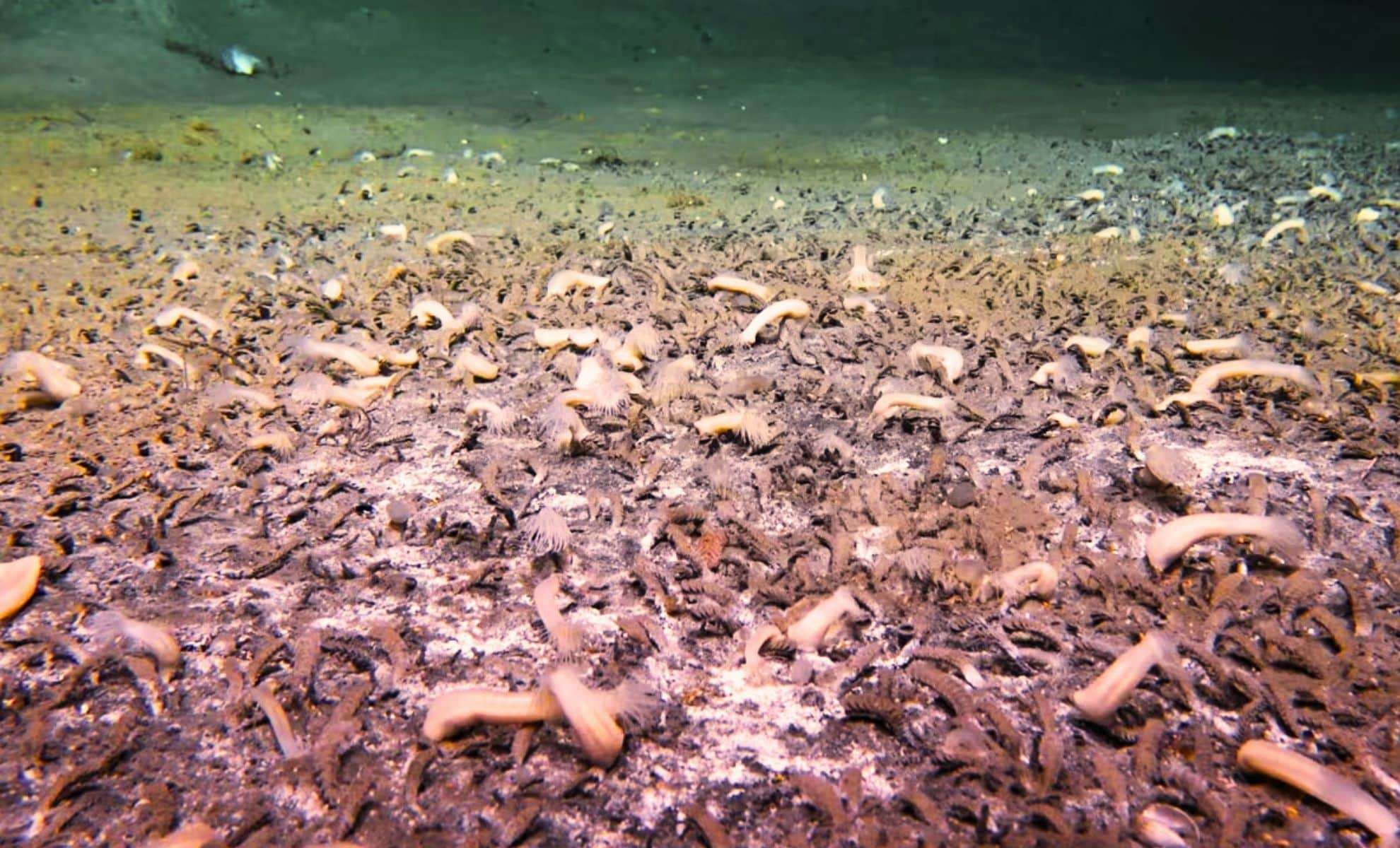
Researchers specializing in marine science have identified the planet’s deepest chemosynthetic ecosystem, extending more than 2,500 kilometers along the floors of the Kuril–Kamchatka and Aleutian trenches, located between Russia and Alaska. This extraordinary habitat, found at depths reaching 9,533 meters, overturns previous assumptions about the limits of life and energy sources in the ocean’s darkest reaches.
Details of this groundbreaking discovery were published in Nature on 30 July 2025, representing a significant advancement in our knowledge of deep-sea ecosystems and geochemical processes, with potential ramifications for climate science and astrobiology.
A Chemically Driven Ecosystem Independent of Solar Energy
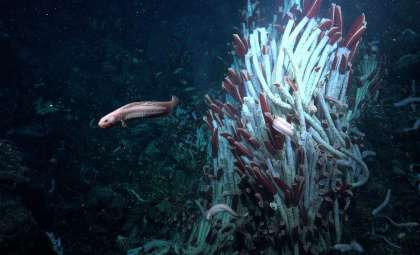
The team, led by geochemist Mengran Du from the Chinese Academy of Sciences, focused on communities dominated by methane-utilizing microbes, frenulate tubeworms, and symbiotic mollusks that harness chemical energy emitted from deepwater fractures called cold seeps.

Cold seeps are ocean floor regions where methane and hydrogen sulfide escape through geological faults. Unlike most marine environments that rely on sunlight for photosynthesis, these deep habitats exceed depths of 9 kilometers where light cannot penetrate. Here, life is sustained via chemosynthesis, a process where microorganisms convert inorganic compounds into usable energy, forming the foundation of the ecosystem’s food chain.
“This ecosystem depends on carbon sourced locally, which microbes generate and recycle,” Du explained in a conversation with CNN. “It functions as a self-contained biological system without relying on material from the ocean surface.”
Analysis of sediment samples uncovered unexpectedly high methane levels, indicating that these microorganisms may not only consume methane but also produce it by converting carbon dioxide present in the sediment — a phenomenon not previously documented at such depths.
Spanning Geological Fault Lines Over Vast Distances and Epochs
Expeditions aboard the RV Tansuoyihao utilized the Fendouzhe submersible, capable of reaching the ocean’s hadal zone depths (starting at 6,000 meters). Over 23 dives conducted within five weeks, the team cataloged and sampled cold seep communities that cover a distance comparable to the entire length of the Amazon River.
The research revealed that the Kuril–Kamchatka Trench, plunging nearly to 9,600 meters, lies along a tectonic subduction zone where plate movements create fractures that channel methane-rich fluids upward through compressed sediments.
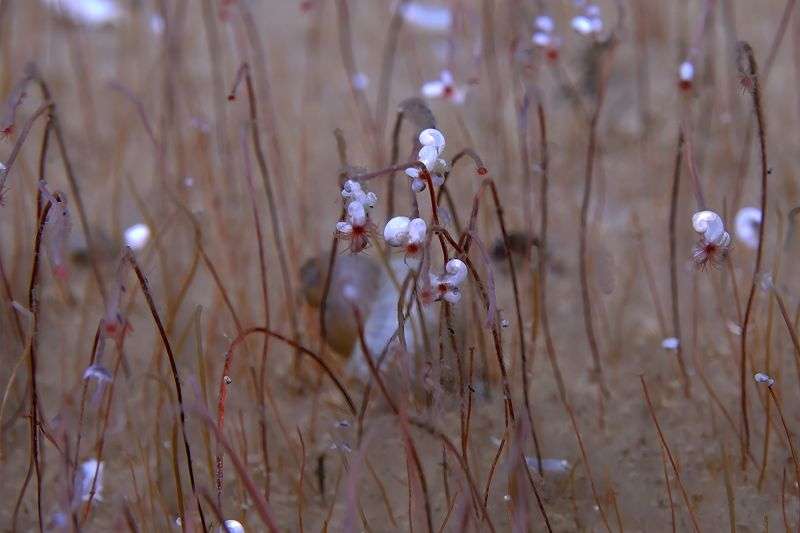
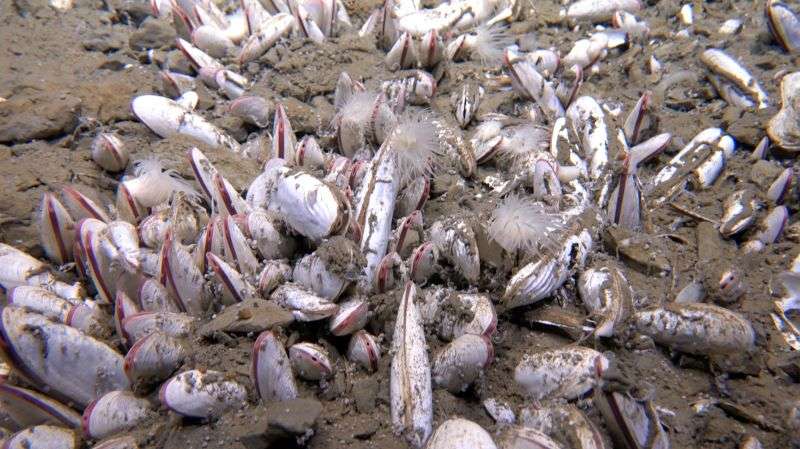
The scientists documented thriving benthic hotspots inhabited by species like Lamellisabella and Tartarothyasira cf. hadalis, including bivalves and polychaete worms adapted to endure pressure exceeding 1,000 atmospheres. Remarkably, some of these animals live for over two centuries in the remarkably stable environment.
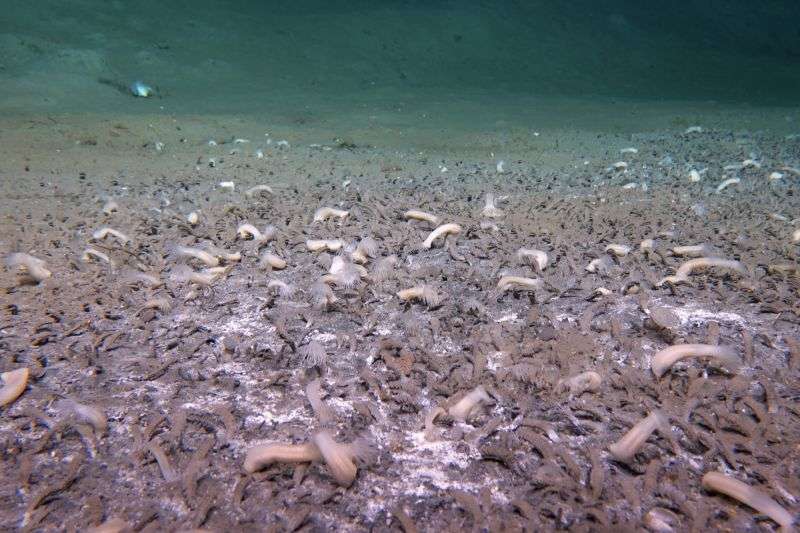
During a dive at Wintersweet Valley, a 2-km habitat situated at 9,120 meters depth, researchers observed thousands of tubeworms assembled near methane seeps. At another site called Dead Valley, dense accumulations of deceased siboglinids hint at the collapse of a seep system, raising new questions about the dynamics and longevity of these deep ecosystems.
Hadal Trenches as Crucial Players in Global Carbon Storage
Beyond expanding biological knowledge, the study highlights the potential significance of hadal trenches in the Earth’s carbon budget. By recycling methane and locking carbon in stable forms, these deep-sea trenches may serve as natural carbon reservoirs, helping to mitigate greenhouse gases such as methane and carbon dioxide in the atmosphere.
“This discovery goes beyond fascinating deep-sea species,” stated Dr. Johanna Weston, a deep ocean ecologist at the Woods Hole Oceanographic Institution not involved in the research. “It revolutionizes our understanding of deep carbon cycling and Earth’s ability to moderate climate fluctuations.”
The 2025 paper reported that hadal zone sediments might sequester organic carbon at levels up to 70 times greater than adjacent abyssal plains. This is driven by microbial conversion of both surface-derived and in situ organic material into methane, which is subsequently consumed and preserved, potentially over geological timeframes.
NOAA acknowledges that cold seeps and methane hydrates play increasingly recognized roles in ocean biogeochemistry and the global climate system, but their full impact is not yet fully reflected in climate models.
Interconnected Realms: Deep Oceans and Surface Life
Though remote and lightless, hadal ecosystems are influenced by surface conditions. In 2020, researchers found Eurythenes plasticus, a species from the Mariana Trench, containing microplastics in its digestive system. Another newly identified species near Puerto Rico depends entirely on sargassum, a type of floating algae that sinks rapidly due to shifting ocean currents and anthropogenic pollution.
“The deep sea is far more intertwined with human activity than previously believed,” Weston emphasized. “Our impact echoes deeply into these isolated ecosystems.”
Plans are progressing for the expansion of the Global Hadal Exploration Program, a UNESCO and Chinese institute collaboration aiming to chart trench ecosystems worldwide, many of which remain unexplored to date.
With advances in exploration technologies matching human curiosity’s depth, scientists hope these insights into Earth’s most inaccessible environments will prepare us for future discoveries—whether buried beneath sediments, locked in ice, or hidden beneath alien oceans.
- Categories:
- Science


0 comments
Sign in to Comment