
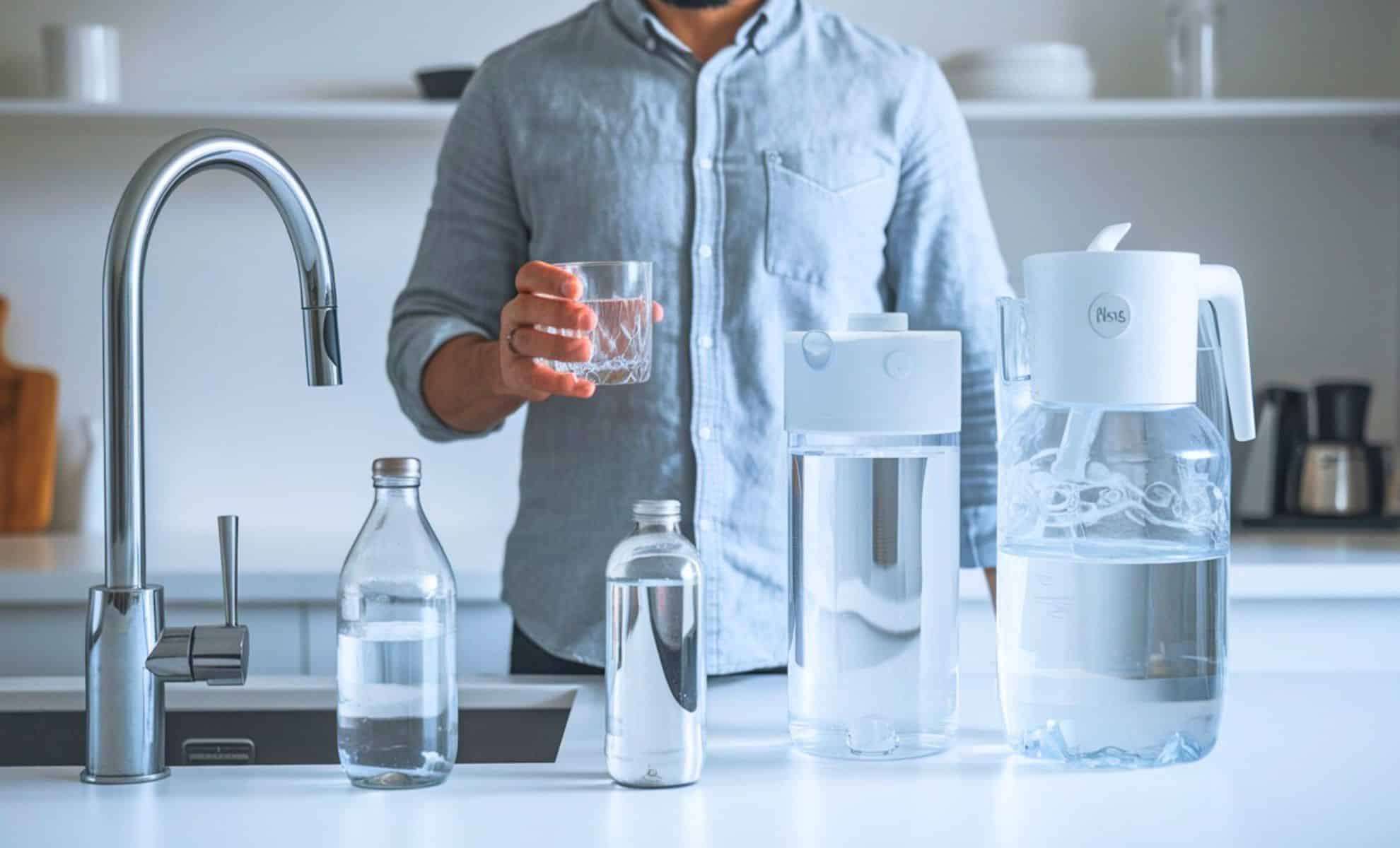
Safe and clean water has become a topic of rising interest due to recent studies investigating the composition of our drinking water. New findings have revealed a previously unknown byproduct named chloronitramide anion, which appears in water subjected to disinfection with chloramine — a compound created by combining chlorine and ammonia.
Understanding Chloramine and Chloronitramide Anion in Water Treatment
Chloramine is widely employed in public water systems as a disinfectant that targets harmful bacteria and viruses. While the detection of chloronitramide anion is notable, its health effects have yet to be determined. Ongoing research aims to clarify whether this chemical poses any risk or is harmless to humans.
Assessing Water Safety Amid New Discoveries
Although concerns about contaminants in drinking water have increased, specialists maintain that tap water generally remains safe for consumption. According to Xindi Hu, an assistant professor at the George Washington University Milken Institute School of Public Health, advancements in analytical chemistry now allow detection of chemicals at minute levels, enhancing our understanding but not necessarily indicating decreased safety.

Factors like climate change, industrial pollutants, and evolving purification techniques can influence water quality and availability. Nevertheless, researchers such as Phoebe Stapleton from Rutgers University highlight that strengthened monitoring and frequent testing have contributed to improved safety over time.
Evaluating Different Drinking Water Sources
Choosing the healthiest water option involves considering multiple choices, each with distinct advantages and disadvantages. Experts summarize key attributes of various water sources to help consumers make informed decisions.
Below is a breakdown of the positives and negatives of tap, bottled, filtered, and glass-packaged water:
Tap Water
Tap water is the most economical source, rigorously monitored by municipal authorities under the Safe Drinking Water Act. The EPA enforces regular testing and mandates yearly water quality reports. While it can occasionally have higher contamination levels than bottled or filtered options, it is generally deemed safe where strict regulations are enforced.
Filtered Water
Bottled Water
Glass-Packaged Water
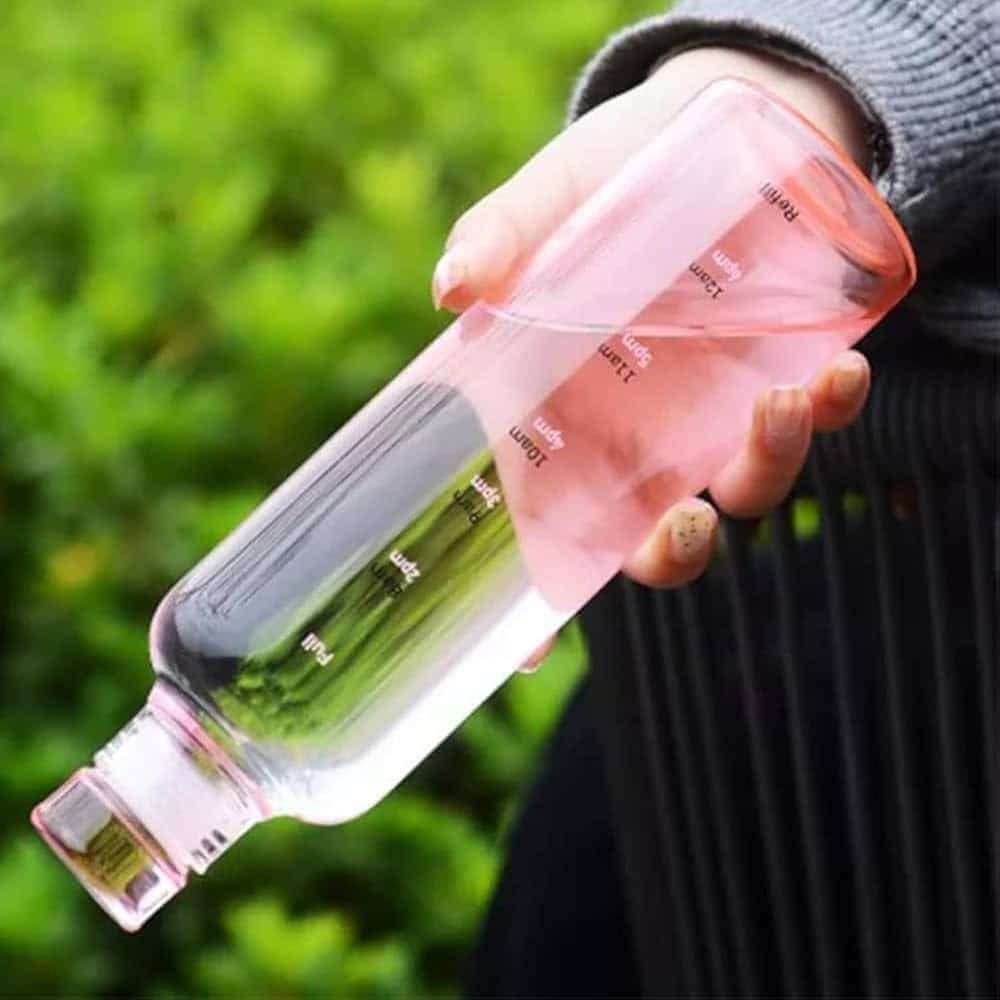
Glass containers eliminate concerns about microplastic contamination linked to plastic bottles but also present challenges. They are more fragile and costlier than plastic alternatives. Similar to bottled water, the safety and quality of glass-packaged water depend largely on the source, whether it comes from natural springs or treated municipal supplies.
Maintaining Water Filters for Optimal Performance
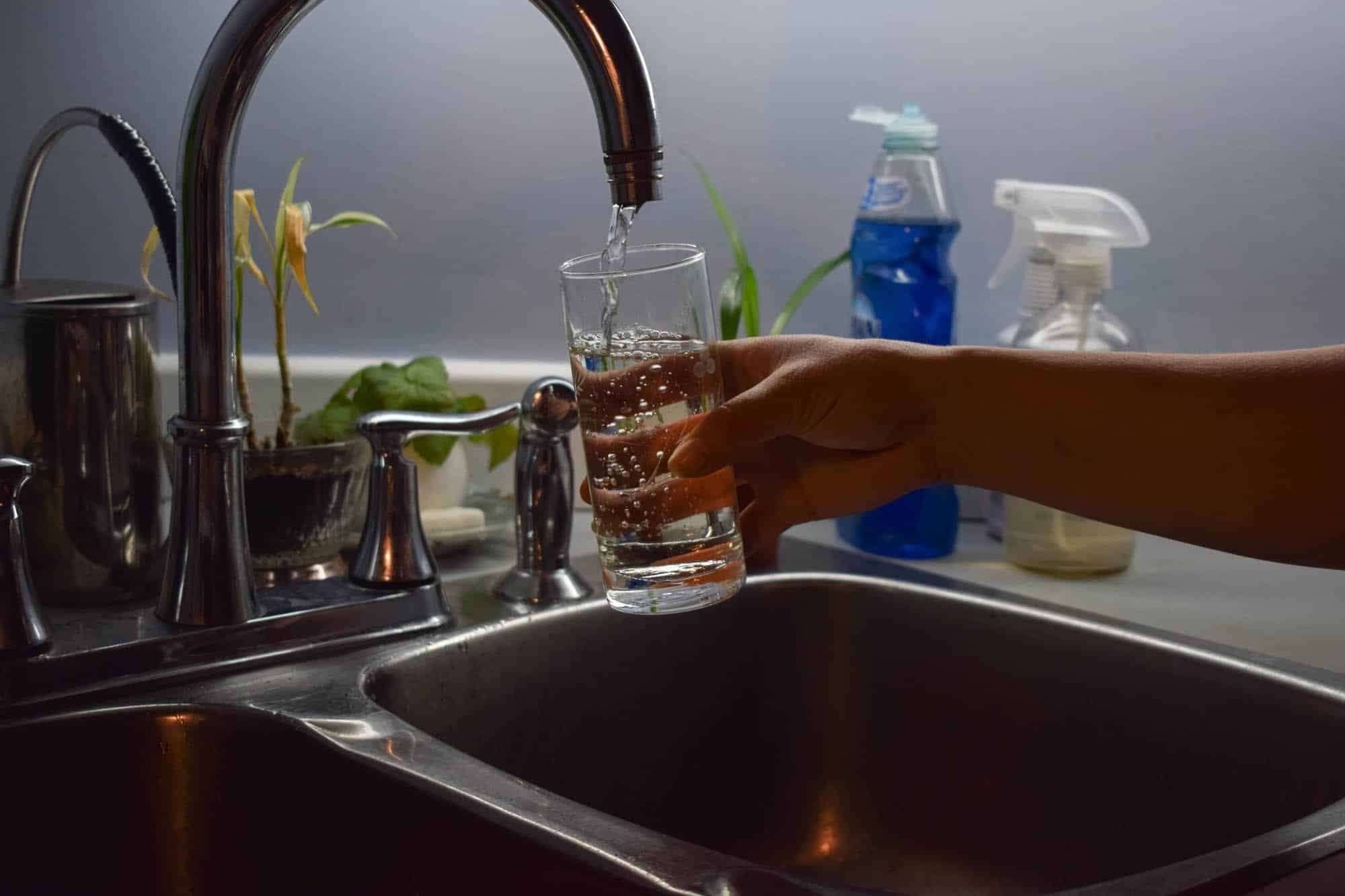
For those who prefer filtered water or use refrigerator dispensers, proper upkeep is essential. Filters should be correctly installed and replaced regularly to ensure effectiveness. John Rumpler, director of clean water at Environment America, stresses the importance of knowing the specific contaminants in your local water supply to select the most suitable filtration system.
Final Thoughts
Water quality continues to be a vital concern, yet increased awareness of contaminants does not necessarily imply compromised safety. Whether choosing tap, filtered, or bottled water, experts agree that understanding local water conditions and using appropriate filtration methods when needed ensures safe hydration.
- Categories:
- Health












0 comments
Sign in to Comment