
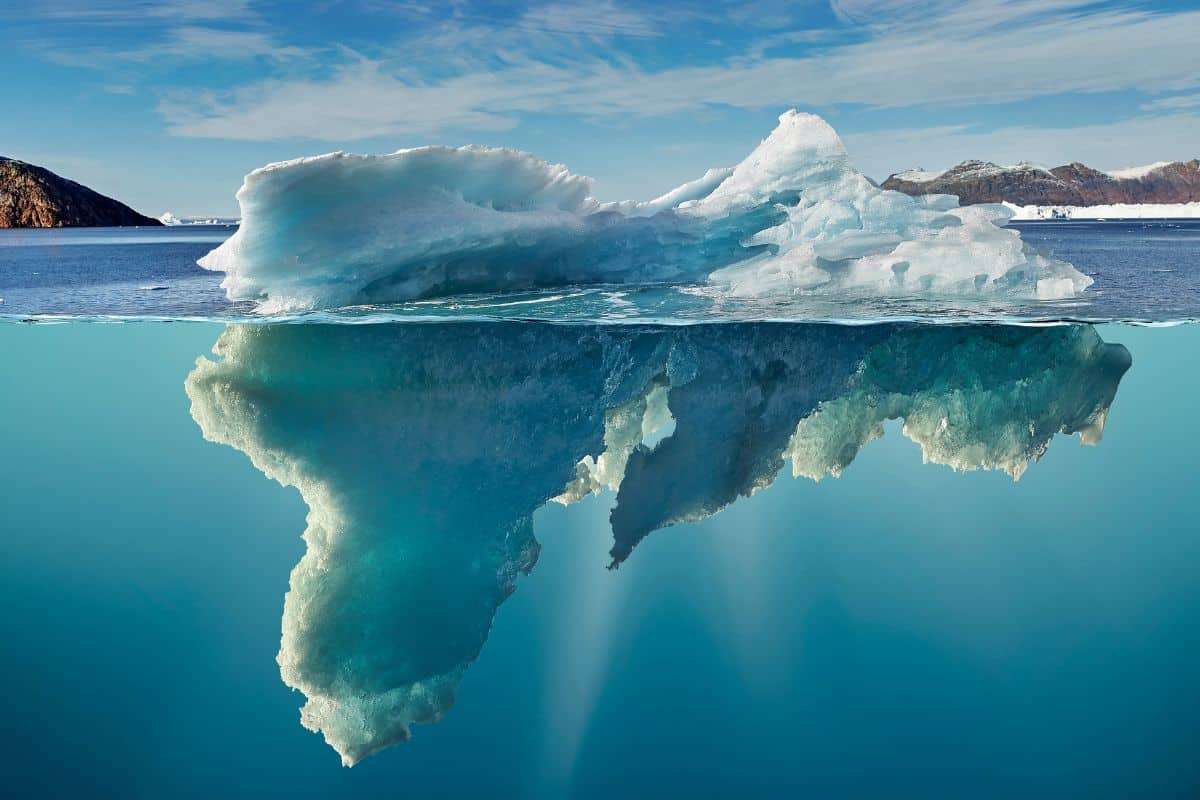
Earlier this year, an enormous iceberg separated from Antarctica’s edge, revealing an ancient underwater realm previously concealed beneath the ice. The discovery astonished scientists and raised new questions about life in extreme environments.
Unveiling a Rare Marine Habitat
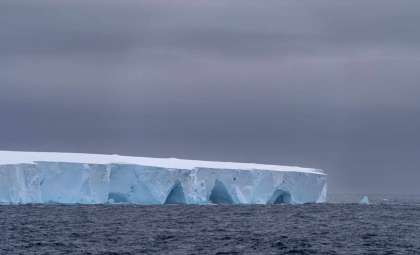
On January 13, a colossal 19-mile-long iceberg parted from the George VI Ice Shelf, uncovering a swath of ocean that hadn’t been illuminated for decades. Researchers aboard the vessel Falkor (too), conducting nearby operations, promptly changed course to investigate.
“When something like this happens, you have to respond immediately,” said Patricia Esquete, expedition’s lead scientist.

Unexpected Biodiversity in the Darkness
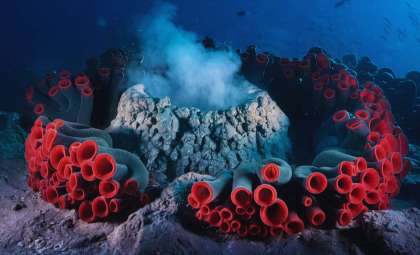
The Washington Post reports that initial expectations were modest—sediment or minimal microbial life at best. Instead, researchers encountered a thriving ecosystem. Massive sea spiders, octopuses, icefish, corals, and sponges including a vase-shaped specimen speculated to be centuries old, were found flourishing on the ocean floor.
“The biodiversity and richness of life we observed were truly astonishing,” noted Esquete, affiliated with the University of Aveiro in Portugal.
Potential Discovery of Numerous New Species
During their month-long expedition, the team operated a remotely operated vehicle to capture imagery and collect biological samples. They also extended their exploration to deeper regions of the Bellingshausen Sea.
The specimens included unusual worms, sea snails, fish, and crustaceans—many possibly unknown to science. Detailed identification is ongoing, with Esquete stating, “The primary phase of research is just beginning.”
Exploring Survival in an Unlit Environment
One central mystery remains: how could such diverse life exist away from sunlight? In most oceans, surface photosynthesis fuels deeper ecosystems by supplying nutrients.
However, beneath Antarctic ice, this nutrient flow is absent. Scientists propose the ecosystem may rely on ocean currents, meltwater from glaciers, or undiscovered sources for sustenance.
“This discovery has opened up a new chapter of active investigation,” explained Jyotika Virmani, director of the Schmidt Ocean Institute, sponsor of the research.
An Unprecedented Glimpse Into a Frozen World
“The expedition team’s timing was incredibly fortunate—they captured a unique glimpse of an untouched ecosystem,” Virmani added. Extraordinary biodiversity findings in deep-sea environments are becoming more common.
For instance, a recent Schmidt Ocean Institute mission off Chile identified over 70 species new to science, including squat lobsters and marine snails.
Yet this Antarctic discovery is distinctive. It presents a natural baseline – a marine community unaffected by sunlight, human presence, or recent climate shifts.
Esquete’s team aims to return to monitor how this community evolves now exposed, seeking insights into how polar marine ecosystems respond to warming and ice loss.
- Categories:
- Science






0 comments
Sign in to Comment