
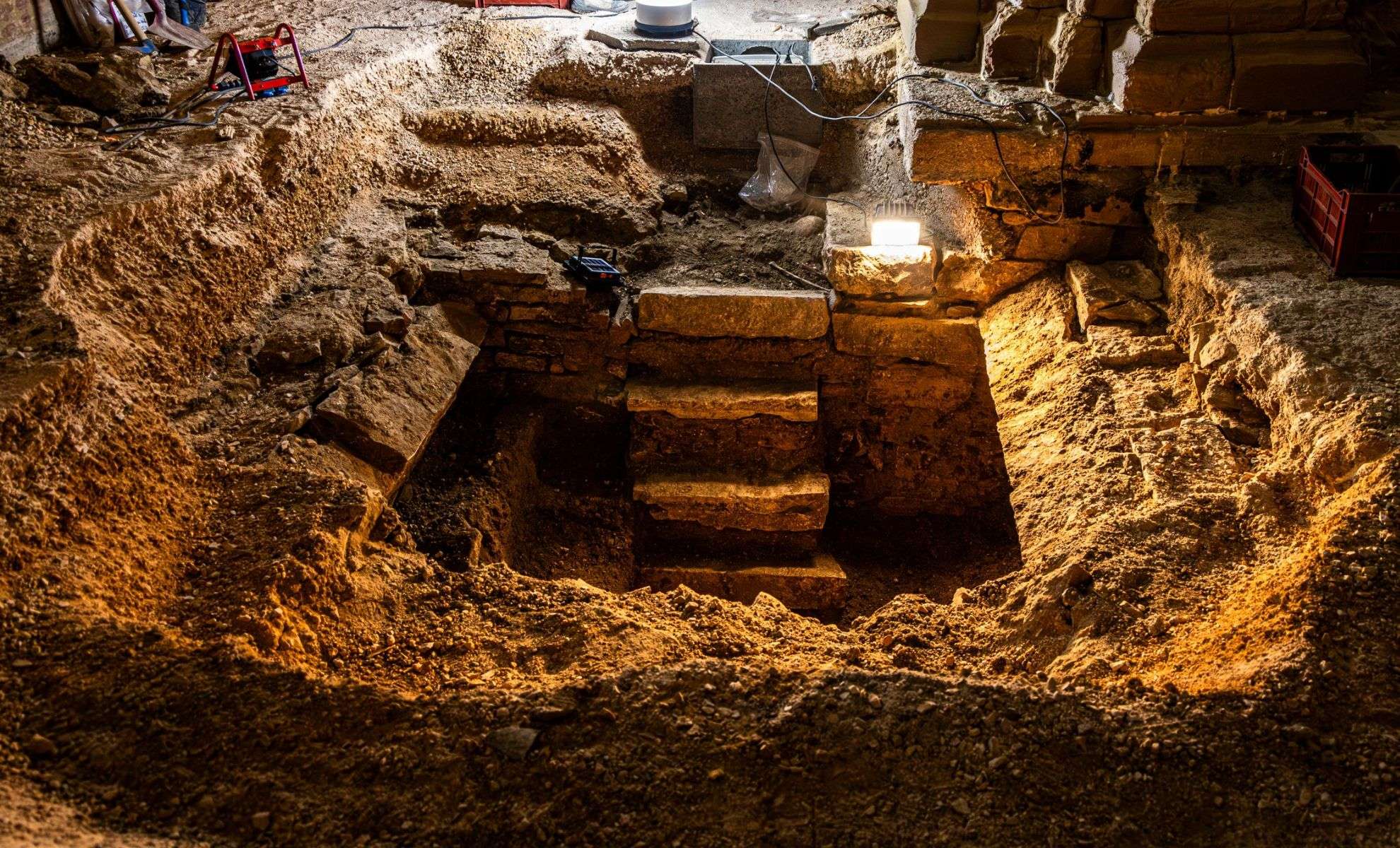
Researchers in France have made a stunning find beneath the Saint-Philibert Church in Dijon: a burial chamber that has remained sealed for over four centuries. This vault offers valuable perspectives into the region’s past, revealing details about the individuals who lived long ago.
Saint-Philibert Church, a notable monument dating back to the 12th century, has seen various transformations and uses throughout its history, including a problematic renovation during the 1970s.
Rediscovery of a Concealed Stairway
The finding emerged while experts were evaluating structural damage caused by earlier restoration efforts. Built in the Romanesque architectural style, the church was once among the rare Dijon structures crafted "in the Roman fashion." After falling out of religious use post-French Revolution, the building served different roles, such as a storage site for salt in the 1900s.

During a 1974 restoration, the installation of a heated concrete slab inadvertently intensified damage by drawing moisture and salt into the ancient stonework.
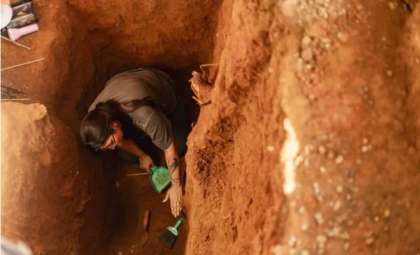
Following the removal of this slab, archaeologists from the National Institute for Preventive Archaeological Research (INRAP) began excavations to better understand the church’s degradation. Unexpectedly, beneath the slab they discovered a previously lost set of stairs.
A Burial Site Rich with History
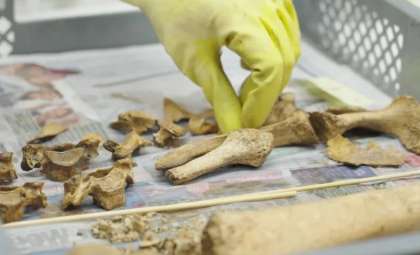
The vault, dating from the late Middle Ages, contains the remains of numerous individuals, including both children and adults, laid to rest in coffins. The burial conditions imply that these deaths may align with a major historic crisis such as famine or a pandemic.
INRAP researchers note that the deceased were interred in a style consistent with the era, shifting remains to the sides of the vault to make room for additional burials as space became limited.
“In the transept, a vault, probably dating from the 15th to 16th centuries, has been identified. In it, the deceased, both children and adults, are buried in coffins, the bones of each individual being pushed to the sides to make room for the last deceased,” the researchers explained in a translated press release.
Unearthing Centuries of the Past
As digging progressed, additional historic layers came to light, offering insights spanning several centuries. Besides the vault, the team uncovered slab tombs from the 11th to 13th centuries and sarcophagi dating back to the 6th century.
The investigation continues, with plans to excavate down to three meters deep. Researchers are meticulously recording each find, presenting a rare and valuable chance to study medieval French burial rituals and history in depth.
- Categories:
- News





0 comments
Sign in to Comment