
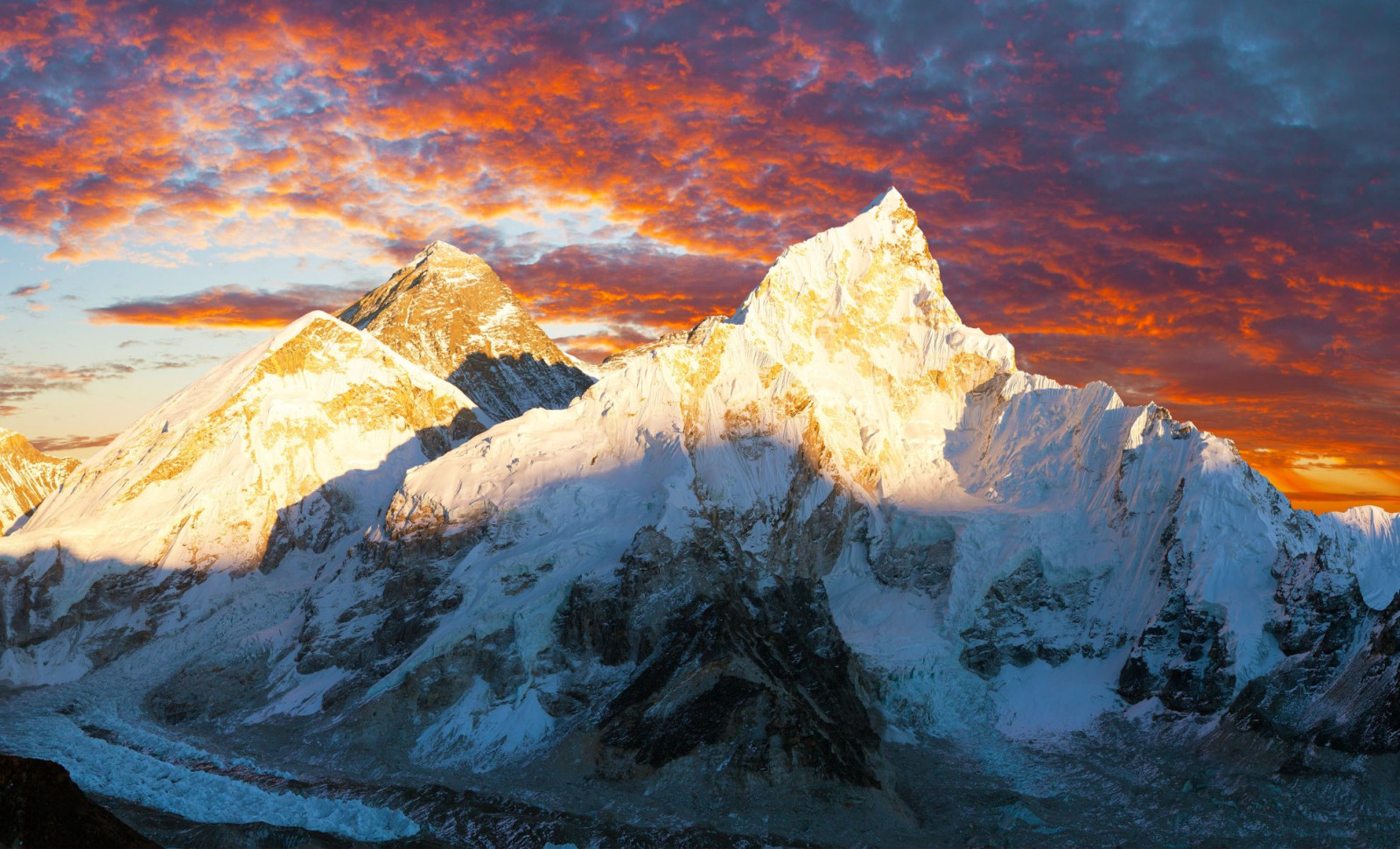
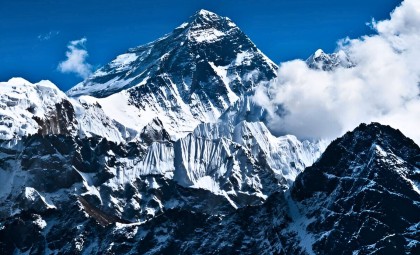
Researchers have made a remarkable find on the world’s tallest mountain: marine fossils dating back roughly 500 million years have been discovered above 8,000 meters on Mount Everest. These fossils shed new light on Earth's geological evolution and highlight the extraordinary changes our planet has undergone over vast stretches of time.
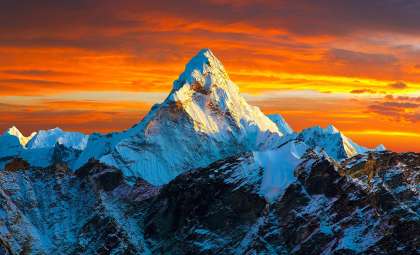
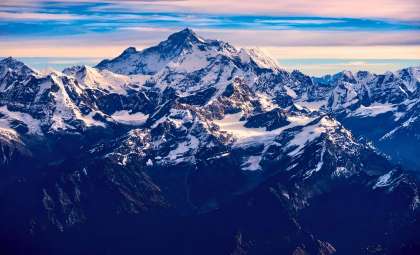
While the Himalayas are now known for their icy peaks and extreme elevation, the presence of marine fossils at such heights underscores how dramatically Earth's surface has transformed. These remains provide compelling proof that the region once lay beneath ancient seas rather than in a frozen mountain range.
An Ancient Shallow Sea Once Lay Where Everest Now Stands
The fossils uncovered atop Everest belonged to creatures that inhabited a shallow ocean long before the Himalayan mountain range existed. Unlike today’s frozen, elevated environment, this area was once submerged under water where marine species thrived. According to BBC Science Focus, these fossils are found within limestone—a sedimentary rock formed from the accumulation of marine shells and organic debris—dating back around half a billion years.

Fossils of marine animals like trilobites, crinoids, and brachiopods found at Everest’s summit illustrate an incredible geological journey. Once buried beneath ancient ocean sediments, these layers were thrust skyward over millions of years due to the relentless motion of tectonic plates.
Mountain Building Driven by Plate Tectonics
These marine fossils discovered on Mount Everest are compelling evidence supporting the plate tectonics theory, which describes how Earth's crust is divided into gigantic plates that move relative to one another. About 200 million years ago, the supercontinent Pangaea began fragmenting, prompting the Indian plate to drift northward toward Eurasia, carrying with it relics of ancient marine ecosystems.
Between 40 and 55 million years ago, the Indian plate collided with the Eurasian plate. Unlike typical collisions where one plate subducts beneath another, both plates resisted subduction because of their buoyancy. As detailed by Geological Society:
“At this time Tethys Ocean floor would have been subducting northwards beneath Asia and the plate margin would have been a Convergent oceanic-continental one just like the Andes today.”
The collision uplifted the Earth’s crust, thrusting ocean sediments—previously part of an ancient marine environment—up to form the massive Himalayan ranges.
The Ongoing Evolution of Everest’s Terrain
Everest’s rise continues as the Indian plate slowly pushes northward at a rate of several centimeters annually, maintaining the pressure that elevates the Himalayas. This persistent tectonic force causes frequent earthquakes, constantly reshaping the geology deep beneath the surface.
At the same time, natural erosive agents like glaciers, wind, and ice wear down the mountain peaks. This ongoing interplay between uplift and erosion creates a dynamic landscape where new geological formations emerge even as older layers are worn away.
- Categories:
- Science


0 comments
Sign in to Comment