
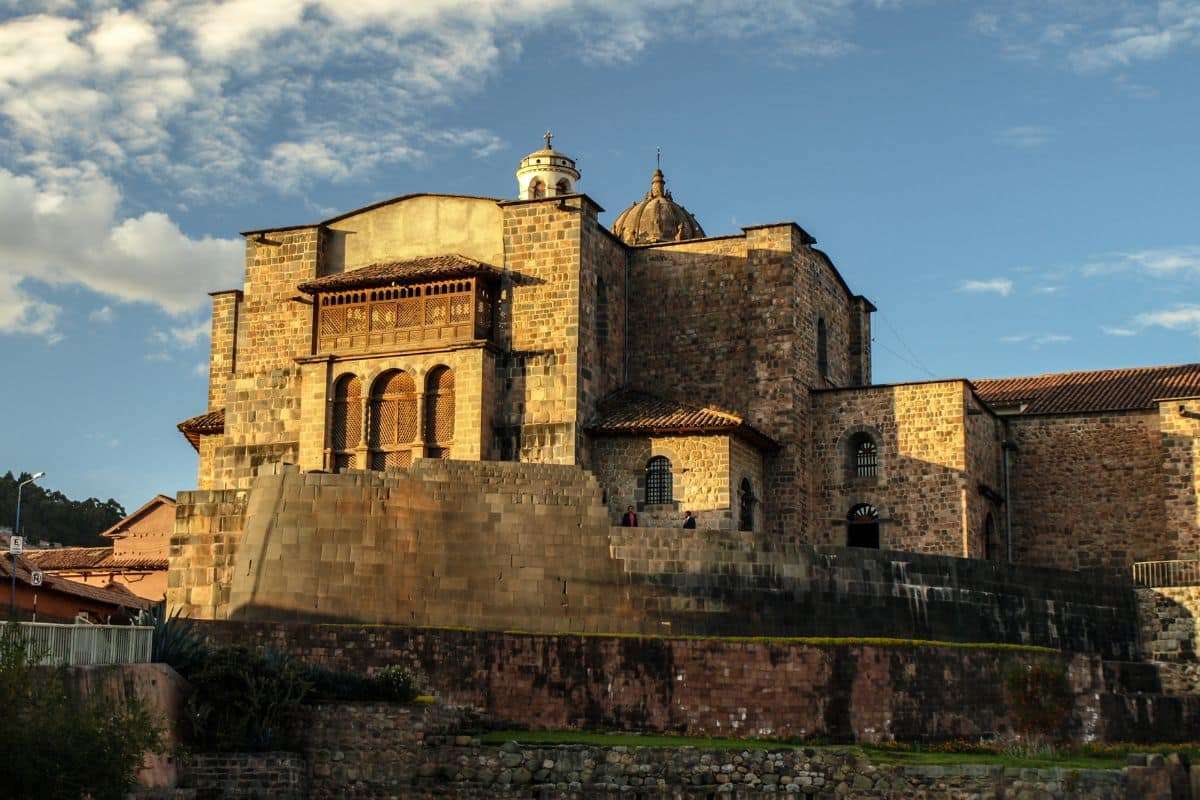
Archaeologists have made a remarkable find under the historic streets of Cusco, Peru: an extensive labyrinthine network known as a chincana. This underground complex confirms longstanding suspicions about the existence of intricate tunnel systems beneath the former Inca capital, revealing new aspects of Inca craftsmanship and cultural beliefs.
Validating Centuries-Old Accounts
For generations, lore and historical writings hinted at a web of subterranean passages hiding beneath Cusco. Documents from the 1500s spoke of hidden corridors connecting landmark sites such as the Temple of the Sun and the Sacsahuaman fortress. Guided by these early records, archaeologists have now verified the truth behind these ancient tales.
Jorge Calero Flores, the principal archaeologist, revealed the discovery during a press briefing, detailing the labyrinth’s complex layout. Spanning more than a mile, the network connects prominent Inca landmarks and illustrates sophisticated engineering methods used by their builders.
The tunnels were constructed employing a cut-and-cover technique, digging trenches then reinforcing them with stone walls and intricately carved beam ceilings. This approach highlights the Inca’s advanced knowledge of structural integrity and efficient use of materials.

Charting the Maze
Before excavation began, experts utilized acoustic sensing and ground-penetrating radar to detect voids beneath the city's surface. These initial surveys identified a primary corridor running from the Temple of the Sun to Sacsahuaman, with branches extending to Callispuquio and the Church of San Cristóbal.
The tunnel passages are notably spacious, roughly 8.5 feet wide and 5.2 feet high, large enough to suggest they could have transported noble litters. This implies the labyrinth might have been designed for safely moving elite individuals within the city.
Team member Mildred Fernandez Palomino remarked on the tunnels’ potential to deepen our understanding of Inca underground architecture. “The next step involves careful excavation at strategic points for access to the chincana,” she noted, anticipating significant findings ahead.
Historic Documents Guide Modern Exploration
Research into the chincana was driven by 16th-century Jesuit chronicles. Certain Spanish sources described tunnels connecting the bishop’s residence to the Cusco Cathedral, along with multiple subterranean routes beginning at the Temple of the Sun.
Archaeologists also found signs that workers intentionally preserved the tunnels during construction above ground. This careful avoidance suggests the labyrinth was not only widely acknowledged but held sacred or strategically important.
An Underground Reflection of Cusco
Experts propose the tunnel network mirrors the city’s surface street plan, indicating the Inca’s deep urban planning skills that fused practical use with symbolic meaning. The Temple of the Sun, or Qorikancha, represented the empire’s spiritual core, and these tunnels may have functioned as ceremonial routes or as clandestine passages in times of crisis.
Situated approximately 130 miles from Machu Picchu, Cusco remains a vibrant hub for both travelers and researchers. This discovery enriches the city’s status as a center of ancient innovation.
Decoding the Tunnel Network’s Purpose
Although the labyrinth’s presence is confirmed, its intended function sparks ongoing debate. Were these passages primarily for ritual use, or did they provide secure transportation routes and protection during conflicts?
Future digs will focus on venturing inside the chincana and examining its architectural features more thoroughly.
Additional research could determine how the labyrinth was maintained and if it connects to other hidden subterranean sites. The possibility of finding Inca relics or inscriptions within the tunnels fuels excitement about upcoming exploration.
A Monument to Incan Engineering
This newly found underground maze highlights the Inca’s exceptional masonry and engineering prowess. That such an extensive, durable tunnel system has withstood centuries of environmental challenges and human activity is a testament to their foresight and masterful construction. It also reflects their ability to integrate city layout with surrounding topography.
Discovering New Dimensions of Cusco’s Past
The revelation of this subterranean labyrinth enhances Cusco’s already rich historical tapestry for locals and visitors alike. It opens fascinating new dialogues about the Inca’s vision—not only of their empire’s surface but its secret, hidden depths.
As excavation continues, anticipation builds worldwide for what secrets these ancient passageways might reveal.
- Categories:
- Science








0 comments
Sign in to Comment