
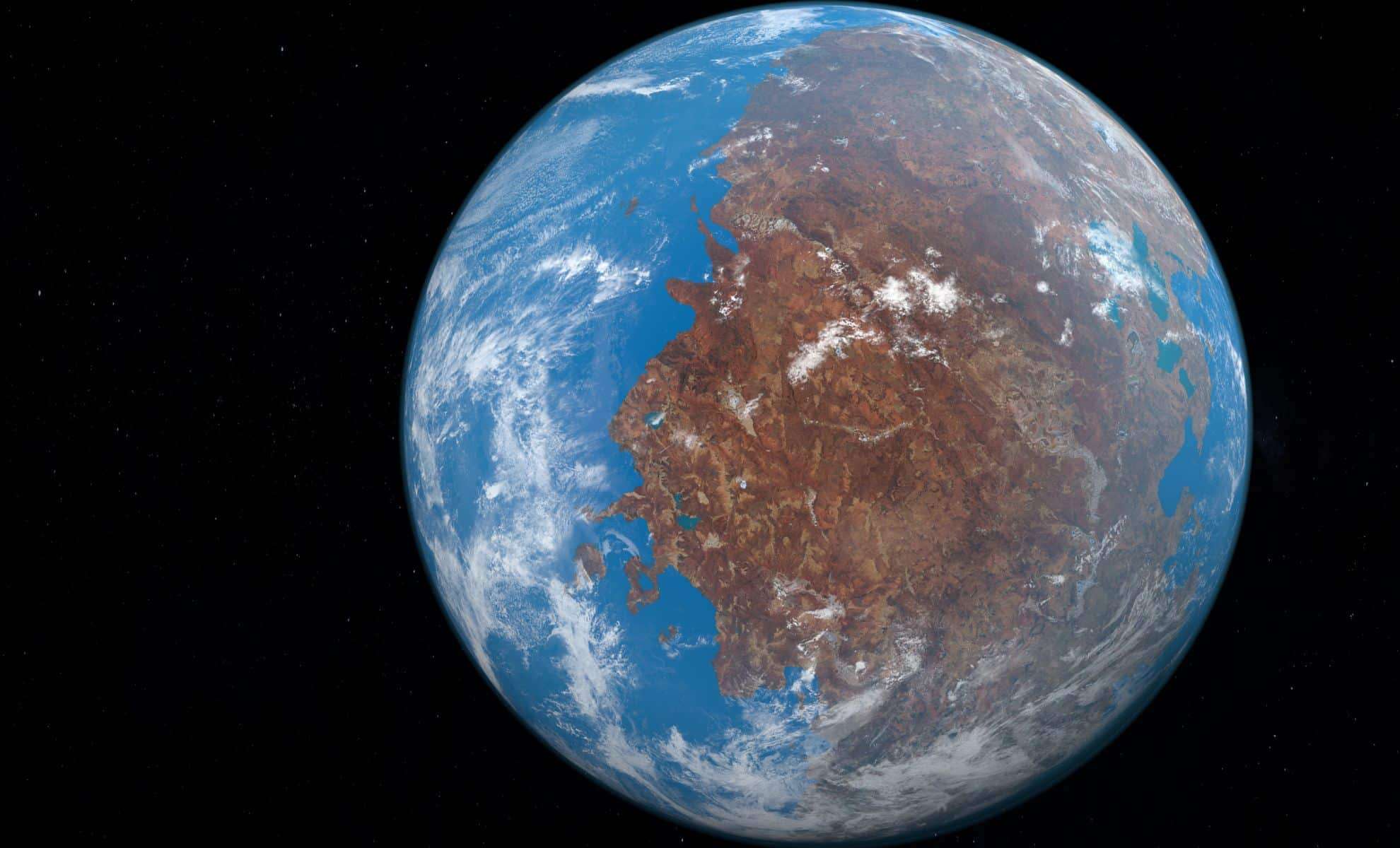
Scientists have revealed an extensive network of subterranean “metal pathways” hidden under the Earth’s oldest continental regions. These structures, formed over millions of years, act as conduits for important metals like copper, rare earth elements, and cobalt—all critical for the push towards sustainable technology. This discovery sheds new light on the processes behind metal concentration and may help guide future eco-friendly resource extraction.
Innovative Scientific Research
A pioneering study spearheaded by Dr. Chunfei Chen and his colleagues at Macquarie University was published on January 8, 2025, in the renowned journal Nature. The investigation stems from years of high-pressure laboratory work carried out by the Earth Evolution research group at Macquarie University, supported by the Australian Research Council and the university itself.
During his postdoctoral research, Dr. Chen concentrated on how carbonate-rich melts—molten materials deep underground—behave. The team discovered that these melts, which originate roughly 200 kilometers beneath the continent’s crust, are crucial in mobilizing and concentrating vital metals along ancient continental margins.

The study highlights how the edges of these massive continental cores—thick, bowl-shaped sections of tectonic plates—serve as regions rich in volcanic activity and metal deposits. These conclusions complement earlier insights from Geoscience Australia and the Australian National University, which have noted unusual metal concentrations in those areas.
Mechanics Behind Earth’s Metal Pathways
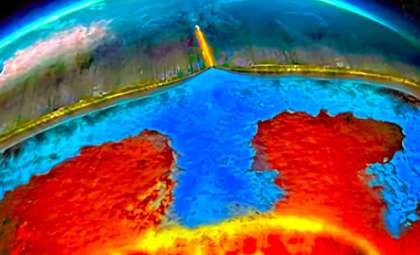
The research offers a comprehensive understanding of the formation and function of these covert channels. Underlying the ancient continents, carbonate-rich melts ascend and spread outward from the core centers towards their peripheries. Dr. Chunfei Chen clarified:
“These cores are the thickest, bowl-shaped, parts of tectonic plates. Melts that form below their centers will flow upwards and outwards towards the edges, so that volcanic activity is common around their edges.”
As this magma rises, its composition alters substantially. Initially abundant in silica, metals, and sulfur, it gradually loses silica, triggering chemical reactions that cause the metals to precipitate out and align in linear deposits along continental boundaries.
Professor Stephen Foley, a leading geologist at Macquarie University, emphasized the significance of this mechanism:
“The initial melts can carry lots of critical metals and sulfur, but our new results show that these are dropped by the melt as it loses silica. This causes concentrations of critical metals and sulfur in linear arrangements around the edges of thick continental cores.”
This process converts the rims of ancient continental cores into natural storage zones, effectively creating underground “highways” for the mass movement and deposition of prized metals over extensive timescales.
The Importance of This Finding
The study’s impact is profound, particularly with the worldwide shift toward renewable energy and development of a green economy. Technologies such as electric cars, wind power, and solar energy depend heavily on critical metals like copper and rare earth elements. Currently, metal supplies are not sufficient to keep up with increasing demand.
Dr. Chen’s research brings new mining frontiers into the spotlight, identifying previously overlooked locations for resource extraction. Focusing on the edges of ancient continental cores could enable geologists to explore untouched reserves, lessening the pressure on heavily exploited mining areas.
Additionally, the study highlights the strong connection between deep Earth dynamics and surface environments. The presence and arrangement of these critical metals are not accidental but are driven by tectonic and magmatic activities deep within the Earth’s mantle.
Outlook for Sustainable Mining
This revelation could transform mining strategies toward more sustainable practices. Pinpointing the geological processes responsible for metal accumulation allows for precision exploration, reducing environmental damage compared to broad-scale mining efforts.
Rock samples from volcanic zones that align with these metallic corridors have already indicated increased sulfur and copper content, reinforcing the study’s findings. This will likely inspire further investigation into how carbonate-rich melts influence metal distribution.
Although future research is needed, this work opens a new chapter in geoscience, revealing the natural mechanisms concentrating the Earth’s hidden treasures. Such knowledge is crucial for responsibly meeting the demands of a sustainable future.
- Categories:
- Science




0 comments
Sign in to Comment