
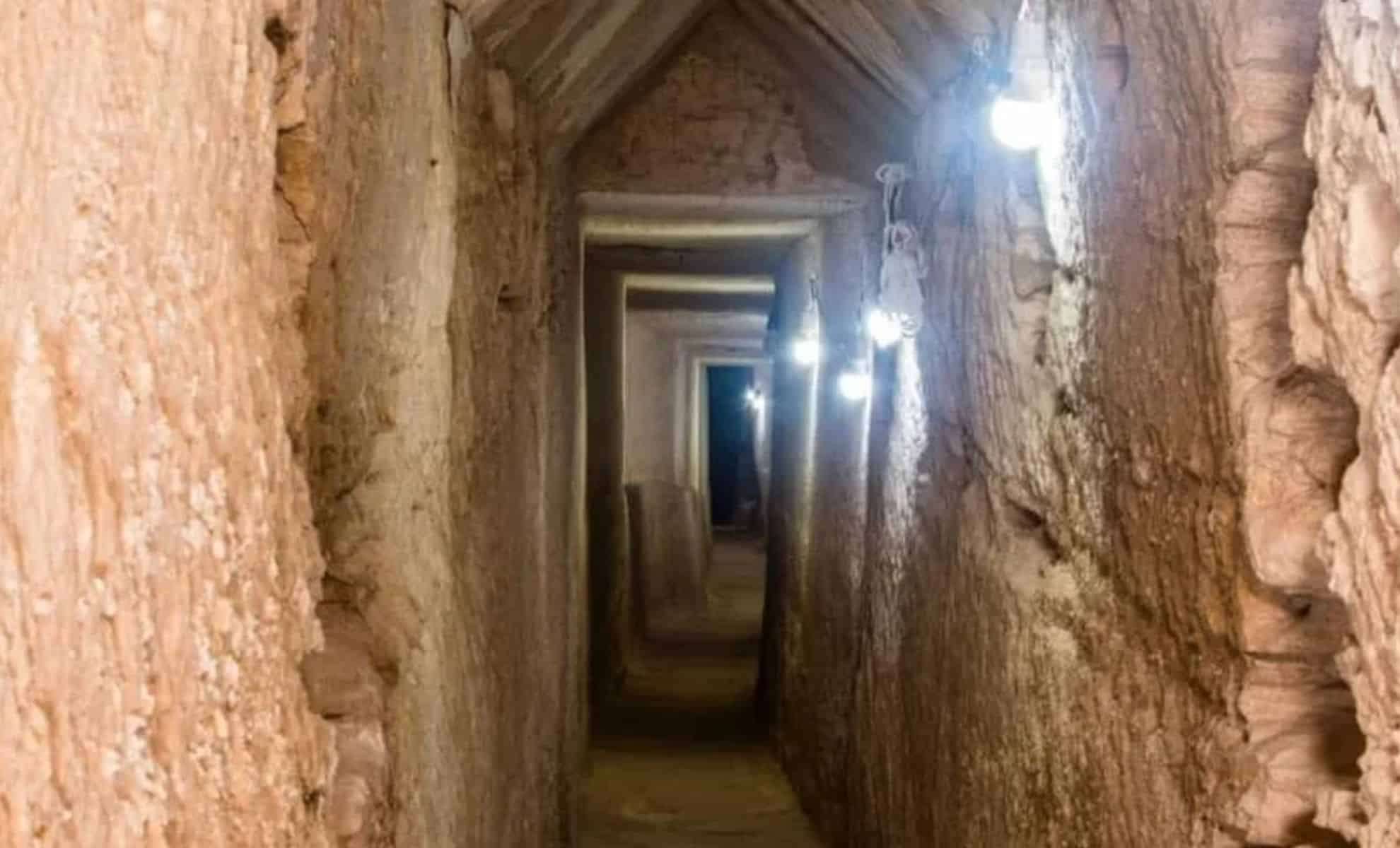
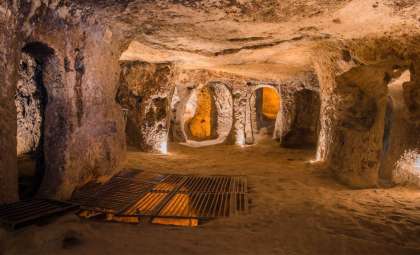
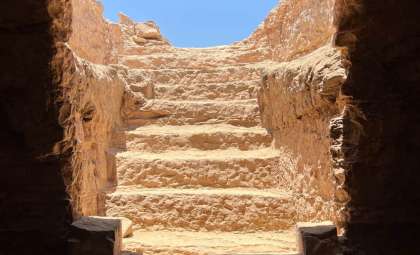
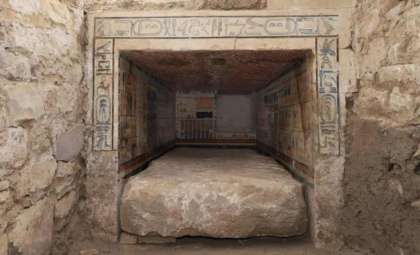
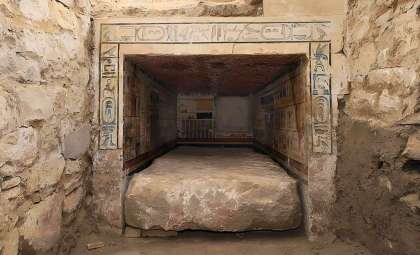
Under the remnants of Taposiris Magna, an old settlement located west of Alexandria, researchers have come across an extensive subterranean corridor hailed as a remarkable feat of geometry. Situated 13 meters (43 feet) below the surface, this discovery has ignited hopes among scholars that it might be linked to the elusive final resting place of Cleopatra VII.
Uncovering a Hidden Passage Under the Osiris Temple
CNN reports that the tunnel was revealed by an excavation team headed by Kathleen Martinez of the University of Santo Domingo, who has been engaged at the location since 2004. The corridor extends over 1,305 meters (4,281 feet) in length and stands two meters high, sculpted from solid sandstone. Its architecture closely resembles the Tunnel of Eupalinos, an ancient 6th-century BCE aqueduct found on Samos island, renowned for its engineering brilliance.
The Egyptian Ministry of Tourism and Antiquities highlighted the exceptional craftsmanship of this structure, noting it matches some of the most impressive ancient engineering projects. However, some sections remain flooded, leaving its original function unclear.

Quest to Reveal Cleopatra’s Burial Site
Martinez has long sought the grave of Cleopatra, and this discovery might be a vital clue. Established around 280 BCE by Ptolemy II, offspring of one of Alexander the Great’s commanders, Taposiris Magna was dedicated to the deity Osiris and his partner Isis. Cleopatra herself was strongly linked with Isis.
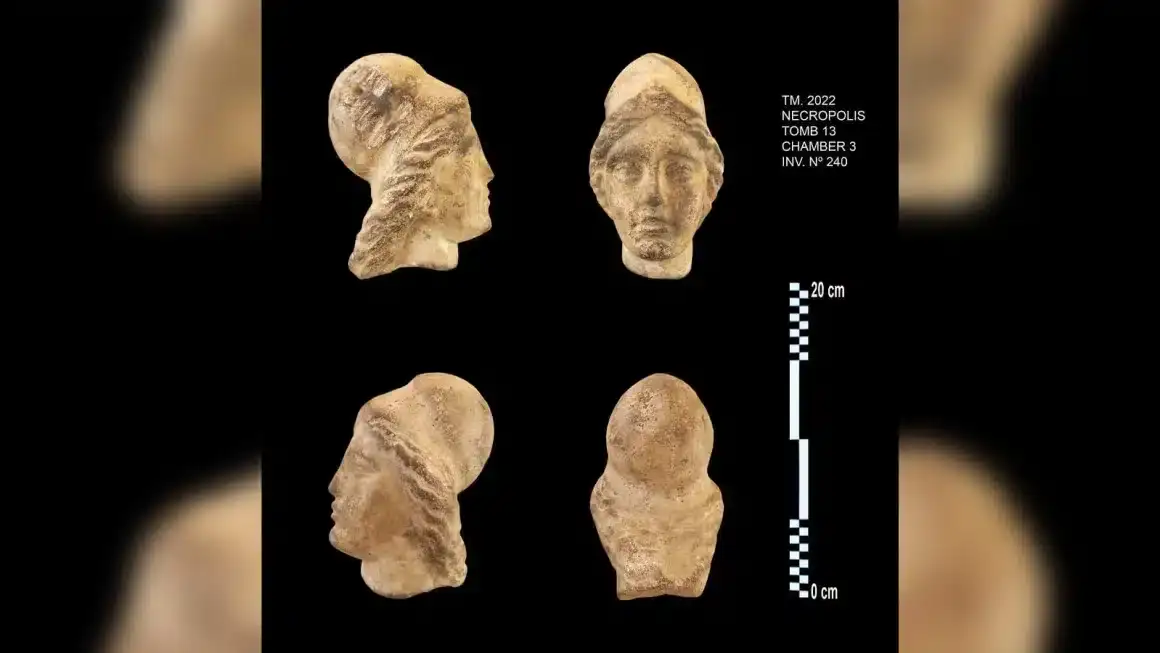
Excavations have uncovered figurines representing Isis alongside coins that feature the images and names of Cleopatra and Alexander the Great. These findings reinforce the idea that this temple played a significant role in the closing era of the Ptolemaic rule.
Seismic Shifts and the Vanished Landscape
Earthquakes over centuries reshaped Egypt’s northern shoreline, causing parts of the temple to fall into the Mediterranean Sea. Earlier archaeological investigations have revealed an intricate tunnel system stretching from Lake Mariout to the coastline, indicating that Taposiris Magna was once connected to a wider sacred and urban network, now partially underwater.
Upcoming digs plan to explore the adjacent seabed for additional clues. So far, the tunnel has produced artifacts such as a limestone block and pottery shards, shedding light on historic activities conducted inside.
A Possible Landmark Tomb Discovery
The importance of this find is not lost on experts. In 2009, former Egyptian Antiquities Minister Zahi Hawass stated, “If we discover the tomb of Cleopatra and Mark Antony, it will be the most important discovery of the 21st century. If we did not discover the tomb of Cleopatra and Mark Antony, we made major discoveries here, inside the temple and outside the temple.”
Martinez and her team persist with this goal at heart. While the tunnel’s original role remains unknown, its impressive size and intricate construction celebrate the skill of ancient Egyptian architects and keep alive hopes that Cleopatra’s tomb might eventually come to light.
- Categories:
- News

0 comments
Sign in to Comment