
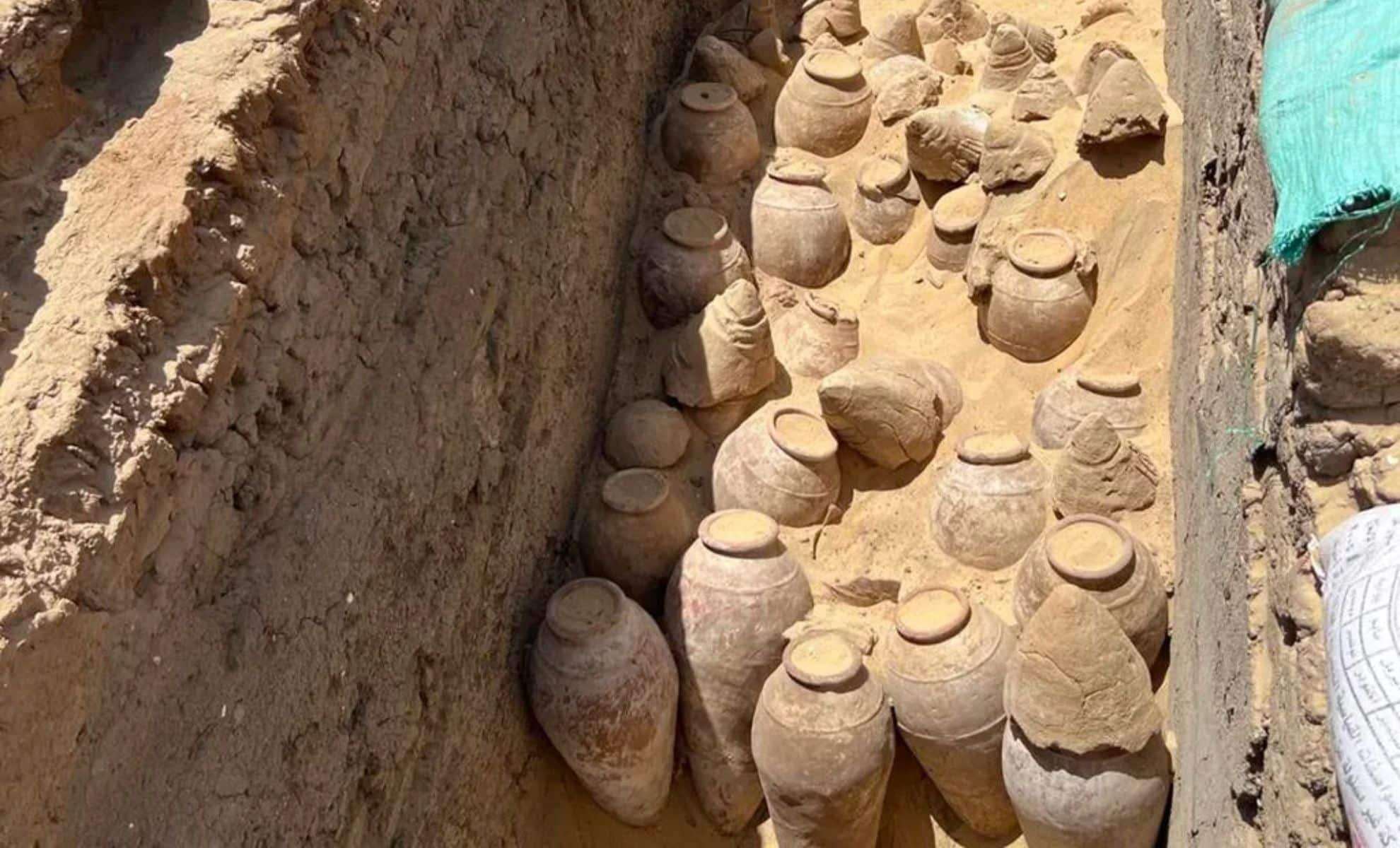
Recent excavations in Egypt have unveiled sealed wine jars dating back 5,000 years, discovered in Queen Meret-Neith’s tomb at Abydos, one of the earliest royal burial sites known. This remarkable finding provides valuable information about the origins and craftsmanship of ancient winemaking.
Uncovering Early Winemaking Secrets
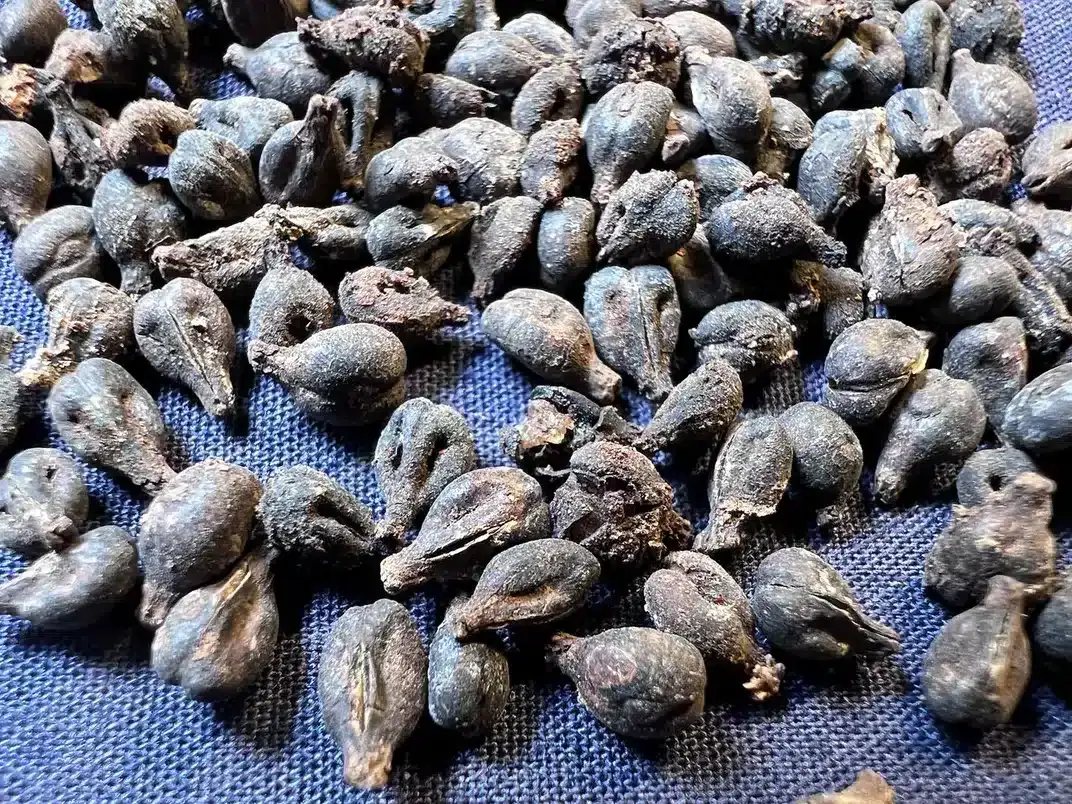
Led by Christiana Köhler from the University of Vienna, the dig exposed hundreds of well-preserved wine containers, many unopened since their entombment. The jars, featuring original stoppers and grape seeds, offer rare evidence of ancient fermentation and potential additives used by early vintners.
Emlyn Dodd, an archaeologist from England’s Institute of Classical Studies, noted, “The intact sealed jars and well-preserved grape pips at Abydos can greatly enhance our knowledge of early wine production, utilization, and trade throughout the ancient Mediterranean and North African regions.”

The grape seeds inside these vessels are of particular interest for tracing ancient grape lineages and their connections to modern varieties. According to Dodd, “Studying the residue within the jars might reveal the wine’s chemical makeup, flavor characteristics, and any substances blended into it.”
The Cultural Significance of Wine in Ancient Egypt
Wine in Ancient Egypt was far beyond a mere drink; it was deeply embedded in both cultural and religious customs. Finding these jars in Queen Meret-Neith’s burial complex highlights wine’s integral role in spiritual and funerary practices among the elite. It likely served as a marker of status and was central to ceremonial rites.
Placed within a royal tomb, the jars underscore wine’s importance as a symbol of prestige and as an offering intended to accompany the dead in the afterlife. This discovery contributes to mounting evidence that wine functioned not only as a luxury item but also as a ritualistic and economic asset in ancient cultures.
Revealing Ancient Trade and Technological Proficiency
This extraordinary archaeological find also sheds light on the sophistication of early Egyptian trade systems and technological know-how. Winemaking evidently demanded specialized equipment such as amphorae and sealing agents, alongside knowledge of fermentation and preservation methods. Such complexity indicates a high level of development during Egypt’s early dynastic era.
The exceptional condition of the jars suggests that ancient Egyptians mastered techniques to maintain wine freshness and quality—methods that parallel modern preservation concepts. Their ability to hermetically seal these containers hints at advanced microbiological understanding long before similar techniques reemerged later in history.
Moreover, the dissemination of winemaking expertise may have traversed the Mediterranean region, merging with various ancient traditions to shape the viticultural practices familiar today.
- Categories:
- News


0 comments
Sign in to Comment