
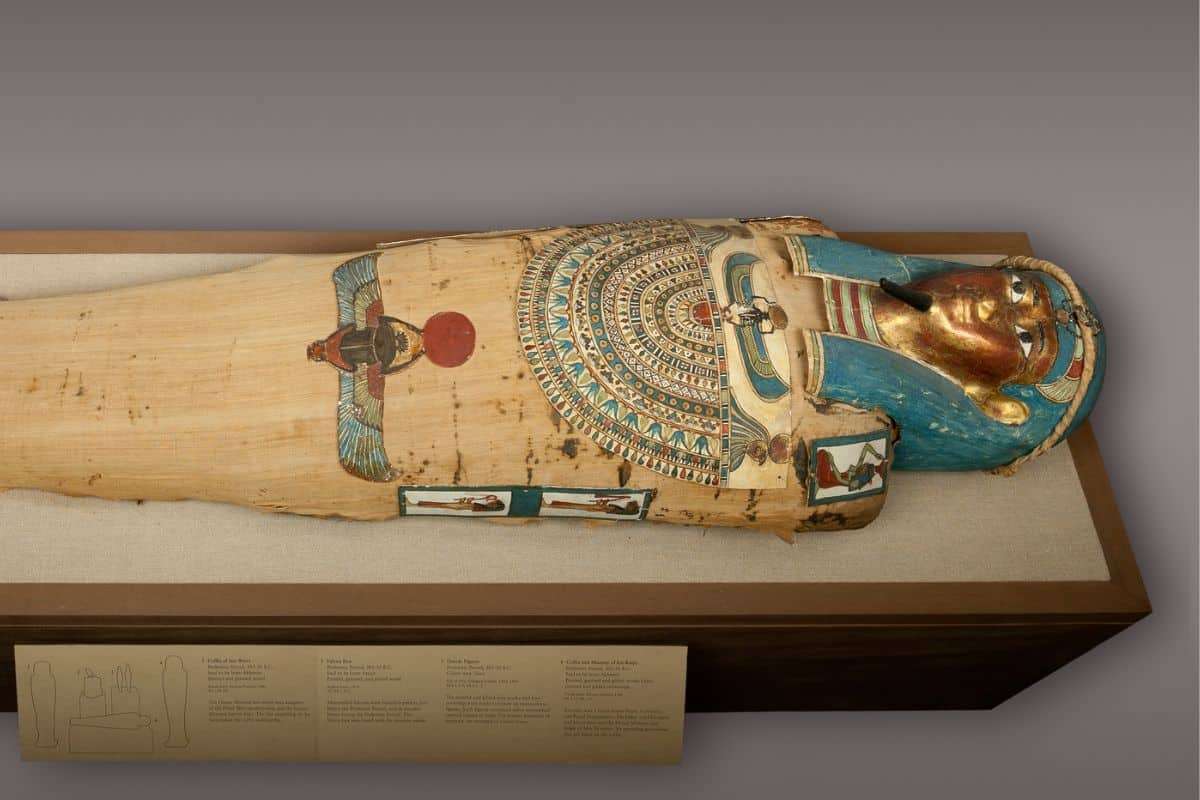
Decoding the mysteries of Ancient Egypt has traditionally involved hieroglyphic translations, archaeological digs, and advanced imaging techniques. Now, scientists are exploring a novel sensory approach — by studying the aromas emanating from ancient mummies.
Researchers are literally analyzing the scents of mummified remains, offering fresh insights into their state of preservation and opening doors for non-destructive examination methods.
Exploring the Aromatic Legacy
The concept of detecting odors from mummies might seem unusual or even eerie at first. Yet, for scientists, this method presents an innovative way to investigate mummification processes, preservation practices, and the impacts of environmental conditions — all while ensuring the integrity of these delicate relics.
A group led by Professor Matija Strlič from University College London (UCL) and the University of Ljubljana recently carried out a scent-based study on nine Egyptian mummies housed at Cairo’s Egyptian Museum.
The mummies, dating from the New Kingdom (around 1500 BCE) through to the Roman era (approximately 500 CE), were examined via a combination of human olfactory assessment and precise chemical analysis.

How Do Mummies Actually Smell?
Using specialized tubes and pumps, the team collected odor samples from the vicinity of each mummy. Eight trained evaluators then scored the intensity of 13 distinct fragrances. Their findings were intriguing:
- Contrary to decayed expectations, many mummies released a pleasant aroma.
- Common notes included woody, spicy, and sweet scents.
- Several exhibited incense-like aromas, indicating the possible presence of resins and oils used during mummification rituals.
- A few samples revealed musty, rancid, or moldy smells, likely resulting from microbial growth or long-term environmental exposure.
A Sensory Portal to Antiquity
For Dr. Cecilia Bembibre, a participating scientist and trained sniffer, experiencing these ancient odors was profoundly moving.
“The idea of smelling a 3,500-year-old mummified body through a small tube and encountering surprisingly familiar scents like tea was astonishing,” she said.
Beyond raw scientific data, this approach connects us intimately with the ancient world, enabling a more personal encounter with Egypt’s long-lost cultures.
Implications for Future Mummy Preservation Research
Historically, gauging a mummy’s condition necessitated physical sampling — removing pieces of skin, fabric, or embalming substances. However, this olfactory technique could provide a non-invasive alternative, minimizing harm to these priceless specimens.
“Although neither method can perfectly replicate the original scents, combining them enhances our understanding of ancient embalming, the materials involved, and the ritualistic importance of fragrance,” Dr. Bembibre added.
- Categories:
- Science





0 comments
Sign in to Comment