
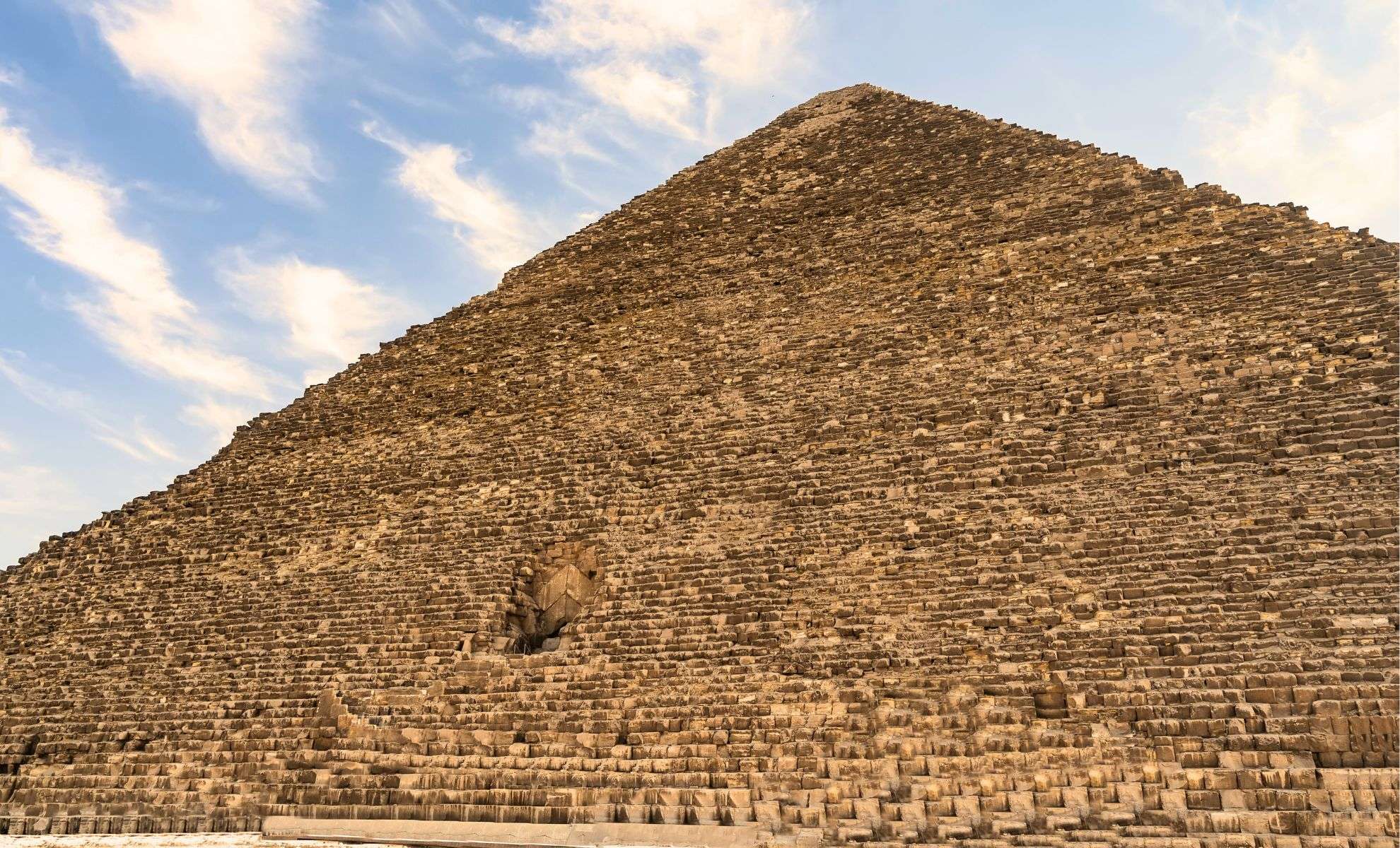
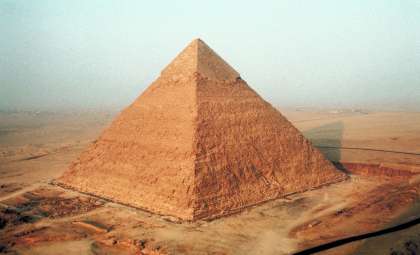
Engineers from the University of Leeds have spearheaded a groundbreaking project that revealed a concealed chamber deep within Egypt’s Great Pyramid of Giza. Utilizing a custom-designed robot capable of traversing the pyramid’s narrow internal passages, the team discovered previously unseen markings and uncovered fresh mysteries about the pyramid’s origins and hidden spaces.
Exploring the ancient pyramid’s hidden passageway with advanced robotics
This investigation traces back to 2010 when Professor Rob Richardson, leader of robotics at the University of Leeds, joined forces with Dr. Tze Chuen Ng, a dentist from Hong Kong passionate about Ancient Egyptian culture. Their aim was to investigate a notoriously tight shaft leading from the Queen’s Chamber, a space previously inaccessible due to its small size.
Past efforts to access this shaft, measuring merely 20 cm by 20 cm and angled at 40 degrees, had resulted in damage to the pyramid’s interior. Richardson’s team set out to develop a lightweight robot—just 5 kg—capable of navigating the 60-meter long shaft with minimal impact, a process that took nearly five years to perfect.

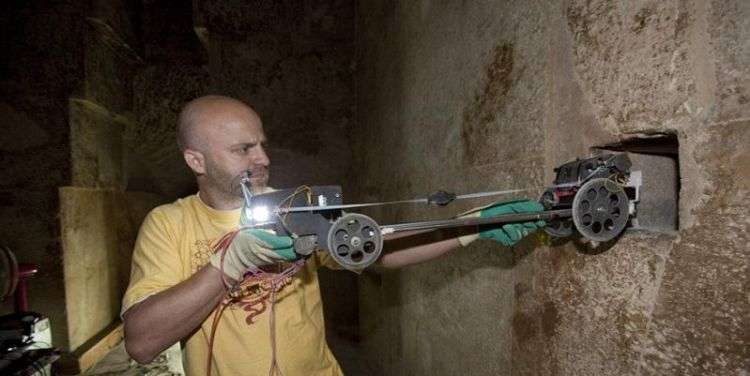
The project is part of the Djedi Project, named in honor of a magician associated with Pharaoh Khufu, the monumental builder behind the Great Pyramid more than 4,500 years ago.
Revealing a concealed chamber adorned with unique symbols
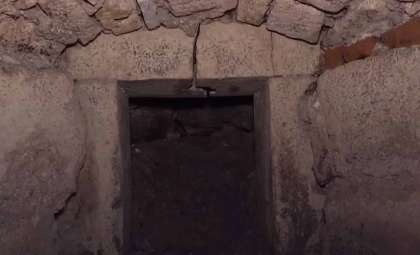
As the robot navigated the passage, its camera captured footage of a sealed chamber near the shaft’s terminus. Remarkably, the chamber’s stone floor was decorated with colored symbols, suggesting potential ceremonial importance previously unknown.
“The shaft’s function remains a mystery,” explained Richardson. “Speculation ranges from it being an air passage to a connection to burial sites.” Yet the presence of decoration implies a purpose beyond mere ventilation, hinting at a more elaborate role.
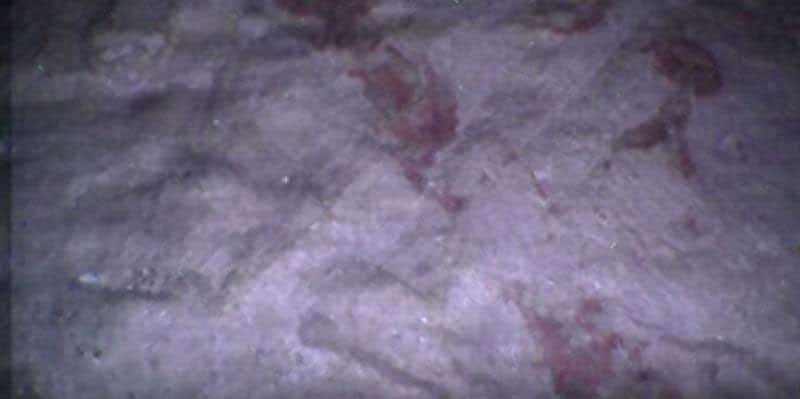
Midway along the shaft, a blocking stone was encountered roughly 50 meters in, which the robot could partially inspect using an articulated camera arm. Beyond this obstacle lay the chamber with the symbolic paintings. A secondary stone block further along completely stopped the robot’s progress, leaving what lies beyond still undiscovered.
Investigation paused amid safety challenges
Following increased security issues within Egypt, the mission had to be temporarily suspended, preventing the development of further equipment to bypass the second obstruction or explore deeper into the pyramid’s passage.
The researchers had hoped to conduct detailed studies of the chamber’s structure and its material composition to shed light on its architectural or ritual significance. Although the project remains on hold, the robot’s raw video was made publicly accessible in two segments on the Ancient Architects YouTube channel, allowing historians to examine this compelling footage first-hand.

“Releasing this documentary exclusively on YouTube is exciting,” said Matthew Sibson, founder of the channel. “But it’s the nine hours of unedited footage that truly fascinates me as an independent scholar of ancient history.”
Interpreting the mysterious interior artwork
The discovery of these symbolic designs adds weight to the argument that the pyramid’s shafts may have held more than practical uses. Traditionally thought to serve as ventilation ducts, the presence of ceremonial symbols points toward their possible use in religious or ritual practices tied to the afterlife and the pharaoh’s spiritual journey.
Experts suggest that the carefully placed stones blocking the shaft indicate deliberate concealment, supporting the idea that these areas were designed to be secret or sacred spaces, rather than accidental architectural features.
Although further exploration remains on hold, this robotic expedition has reignited global interest in the Great Pyramid’s unexplored areas, hinting that additional hidden chambers might still lie undiscovered within this ancient wonder.
- Categories:
- Science





0 comments
Sign in to Comment