
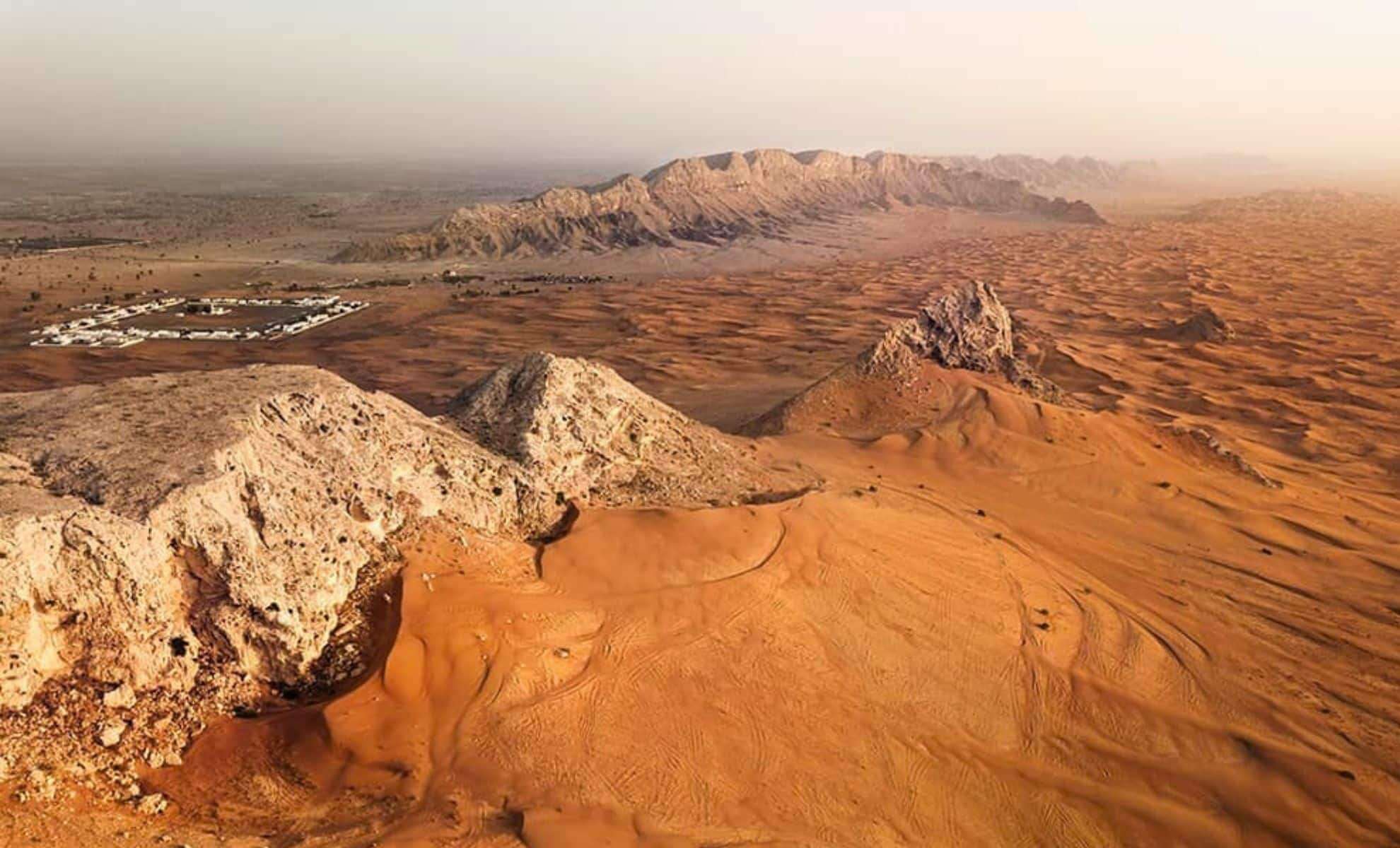
Uncovering relics buried beneath sprawling desert environments has always posed significant obstacles for archaeologists. The ever-shifting dunes and vast expanses conceal countless ancient artifacts, keeping much of human history hidden underground. But recent advances in artificial intelligence (AI) are revolutionizing this field, allowing scientists to locate ancient settlements long buried beneath desert sands.
Tackling the Complexities of Desert Excavation
Expanses like the Rub Al-Khali, known as the Empty Quarter, cover immense territories spanning hundreds of thousands of square kilometers. Conventional archaeological approaches such as on-the-ground surveys require enormous time, labor, and financial resources, leaving many potential discoveries untouched.
The fusion of modern technologies, including Synthetic Aperture Radar (SAR) and machine learning, is reshaping these limitations. Together, these tools boost the speed and precision with which researchers can identify archaeological sites.

Decoding the Science Behind SAR and AI
Synthetic Aperture Radar (SAR) is a remote sensing technique that transmits radar waves to generate highly detailed images of the Earth’s footprint. Unlike typical optical imaging, SAR can penetrate natural barriers like vegetation, ice, and importantly, desert sand, making it ideal for detecting underground features. This method captures nuanced changes in surface and subsurface formations, serving as a critical tool for pinpointing hidden archaeological remains.
The Impact of Artificial Intelligence
Deep learning algorithms analyze SAR data to discern patterns and irregularities. Training these systems on verified archaeological locations enables them to identify indicators of buried human-made sites, pathways, and other constructed features. This synergy dramatically decreases manual effort while increasing the odds of discovering unknown ancient locations.
Remarkable Findings in Dubai’s Desert
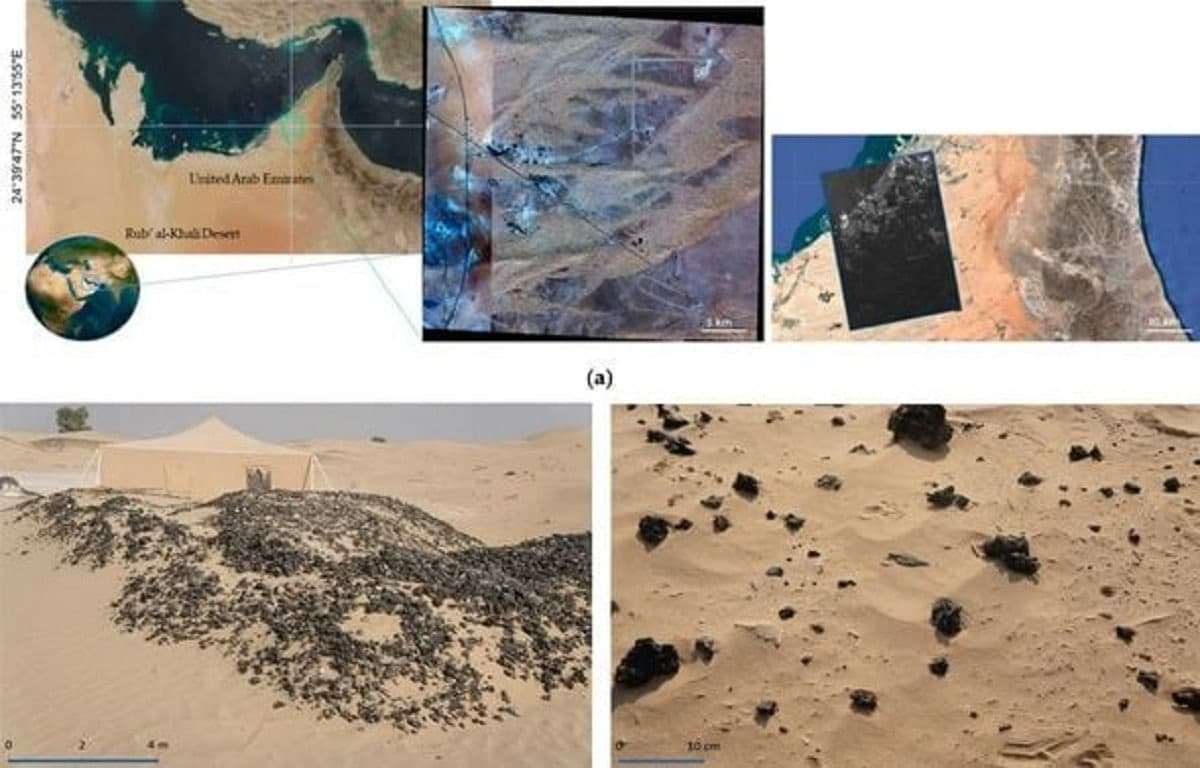
AI-augmented SAR technology’s capabilities were demonstrated in the Dubai desert, where evidence of human presence from around 5,000 years ago surfaced. These discoveries include ancient communities and travel routes, offering new insight into survival strategies utilized in severe desert conditions.
“Detecting these sites remotely is like opening a secret history book,” explains Maria Gonzalez, an archaeologist involved in the study. “It offers fresh understanding of how early civilizations endured and flourished.”
Comparable breakthroughs have emerged globally; in Mongolia, researchers employing similar technologies identified thousands of potential medieval locations, revealing historic trade pathways and cultural connectivity along the Silk Road.
Unveiling Ancient Commercial Networks
A notable benefit of AI-driven SAR is the reconstruction of old trade networks. In the Arabian Peninsula, scholars traced links between settlements, indicating bustling commerce throughout prehistoric and early historical eras. This mapping enriches our comprehension of ancient exchanges of goods, ideas, and peoples across vast regions.
Obstacles to AI Adoption in Archaeology
While promising, integrating AI with archaeological work presents several hurdles:
- Expense and technical demands: The use of SAR necessitates costly satellites, aerial surveying platforms, and powerful data analysis systems. Effective interpretation requires multidisciplinary expertise spanning AI, geology, and archaeology.
- Challenges in data analysis: Natural landforms can imitate human-made patterns, causing false detections. Refinement of algorithms and close collaboration across fields remain essential.
- Ethical considerations: Discovering unrecorded archaeological sites raises issues concerning rightful ownership, conservation, and the responsible handling of cultural heritage.
Dr. Li Wei, a remote sensing specialist at the National University of Singapore, notes, “Continuous improvement of these computational methods will enhance the reliability and application of AI in archaeology, making it a crucial resource for global research.”
Prospects for Next-Generation Archaeology
The marriage of artificial intelligence with advanced imaging technology is ushering in a transformative phase for archaeological research. From deserts and forests to polar regions, these innovations promise to unlock countless secrets concealed beneath the Earth’s surface, vastly enriching our understanding of human history.
Success stories in Dubai, Mongolia, and other areas underscore AI’s immense potential to revolutionize the discovery and interpretation of ancient cultures. As SAR and AI techniques advance, they will further reveal the hidden chapters of our collective heritage and aid in preserving these archaeological legacies for future generations.
“AI offers powerful tools to safeguard and understand cultural heritage,” remarked a UNESCO representative. “Developments like these are critical for expanding knowledge of ancient societies while ensuring their protection.”
This technological leap highlights the exciting possibilities that arise when technology converges with archaeology, exposing the untold narratives buried beneath the sands.
- Categories:
- Science








0 comments
Sign in to Comment