
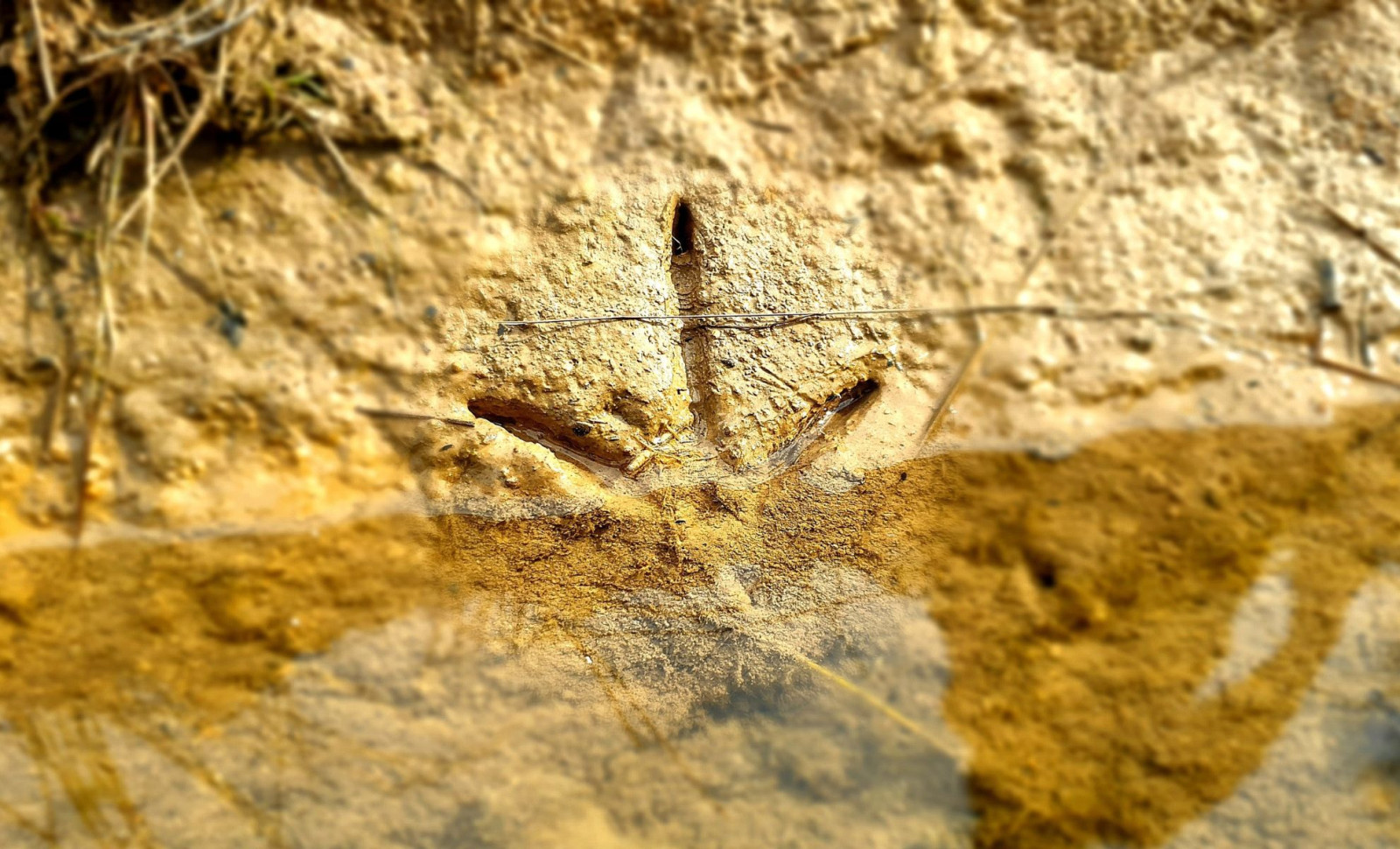
A recently unearthed bird fossil discovered in China is rewriting the timeline of avian evolution. The species, Baminornis zhenghensis, exhibits features typical of modern birds, appearing nearly 20 million years earlier than scientists once believed.
Dating back approximately 149 million years, the fossil challenges the traditional view that Archaeopteryx represents the earliest genuine bird. Excavated in Fujian Province by researchers from the Institute of Vertebrate Paleontology and Paleoanthropology (IVPP), the team led by Professor Wang Min placed the specimens in the late Jurassic period, a time frame previously thought to have limited evidence of early birds.
Rethinking Archaeopteryx's Role
For decades, Archaeopteryx was considered the first true bird because it combined dinosaur-like features such as teeth and a long tail with avian characteristics like feathers and wings. However, recent interpretations have questioned this classification.

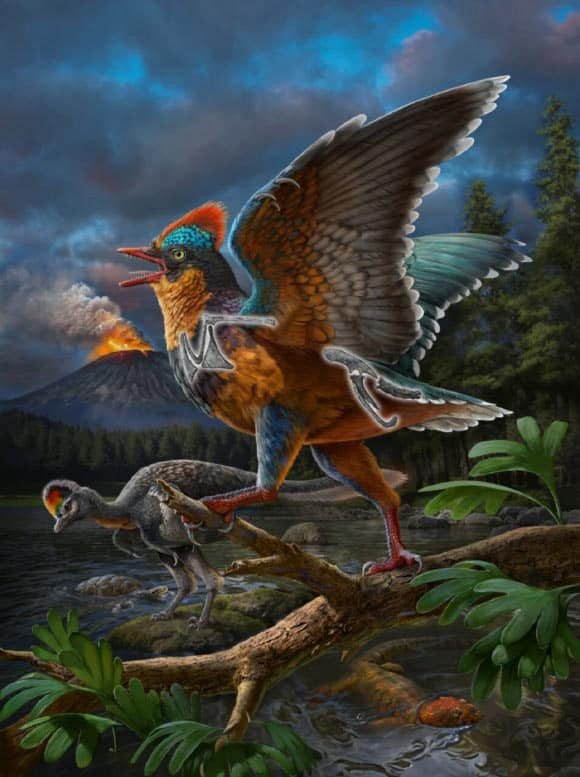
A study published in Nature proposes that Archaeopteryx might be more closely related to deinonychosaurian dinosaurs than to avian ancestors. This discovery opens the door for other candidates, with Baminornis zhenghensis emerging as a significant figure in early bird evolution. According to Dr. Zhou Zhonghe, co-author of the research:
“If we take a step back, and reconsider the phylogenetic uncertainty of Archaeopteryx, we do not doubt that Baminornis zhenghensis is the true Jurassic bird.”
How the Tail Redefines Evolution
A remarkable difference lies in the tail structure. Unlike Archaeopteryx, which retained a long, reptile-like tail, Baminornis zhenghensis possessed a shortened tail ending in a pygostyle, a feature found in contemporary birds. Professor Wang Min emphasized that previously, short-tailed birds were only known from the early Cretaceous period.
“Previously, the oldest record of short-tailed birds is from the Early Cretaceous. Baminornis zhenghensis is the sole Jurassic and the oldest short-tailed bird yet discovered, pushing back the appearance of this derived bird feature by nearly 20 million years.” It suggests that key adaptations linked to modern birds appeared earlier than previously thought.
Additional Fossil Sheds New Light
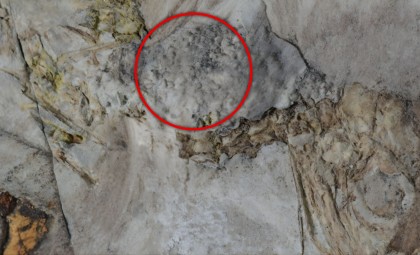
The research team also found a second fossil, although it is much less complete. This remnant, consisting of a furcula or wishbone, offers valuable insight. Its analysis implies it could belong to the Ornithuromorpha clade, the group which eventually led to modern birds. Due to its fragmentary nature, the team refrained from assigning it a species name.
Despite its incomplete state, this fossil contributes important information, reinforcing the idea that avian diversity during the Jurassic period was richer than previously recorded.
- Categories:
- Science







0 comments
Sign in to Comment