
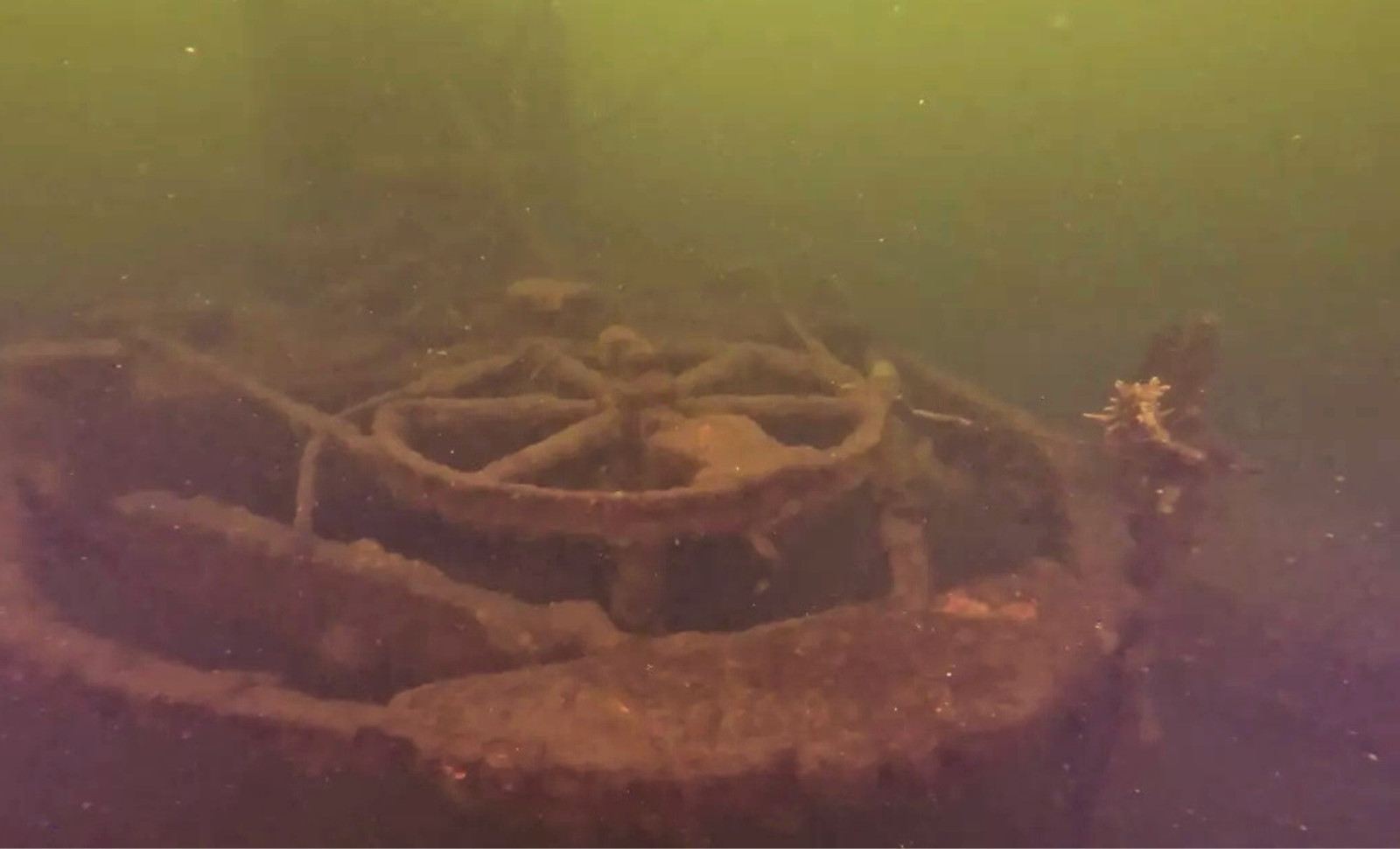
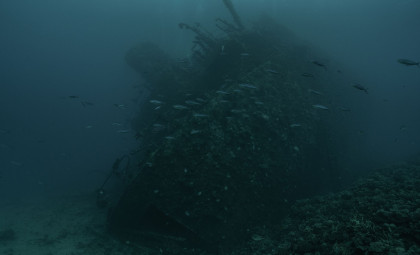
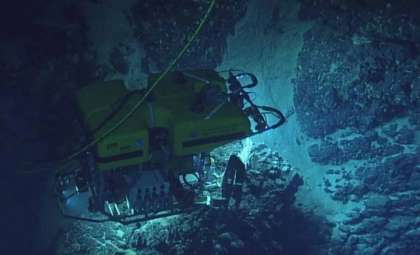
Amid the sounds of seaplanes and kayakers, a green sonar image emerged on Phil Parisi’s screen. The remotely operated vehicle Finn cautiously navigated the murky waters of Lake Union. Slowly, an unmistakable shape appeared: a wooden shipwreck, upright and well-preserved, resting in the shallow waters of this bustling urban lake.
Above the water, cars sped across the Aurora Bridge and diners filled nearby waterfront eateries. Meanwhile, just 15 feet below the surface, lay a forgotten vessel untouched for decades.
“Discovering that our own local waters conceal shipwrecks unexplored and unidentified struck a chord with me,” Parisi shared with KING-TV.

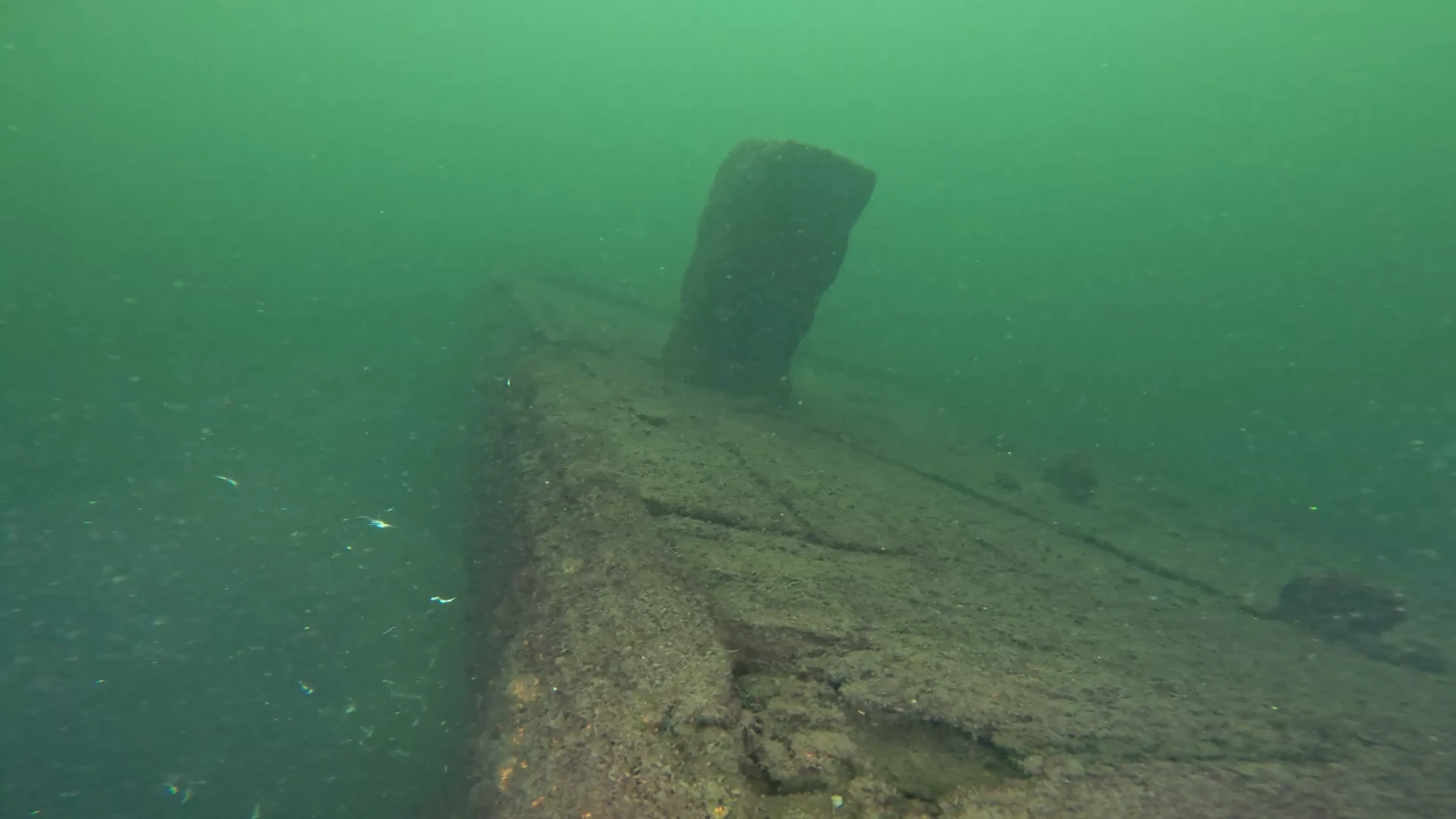
What began as a personal interest has evolved into a coordinated initiative to catalogue what is now being called Shipwreck City—a vast collection of sunken vessels scattered across Lake Union’s floor. Through 21 hours of dives and investigations of 34 mapped sites, Parisi's team has visually verified over 20 shipwrecks and uncovered at least two previously undocumented.
Sonar Surveys Locate Targets but Offer Limited Details
Previously, a high-resolution sonar scan identified about 100 underwater objects dispersed throughout the lake, according to data from shipwreckcity.org. These appeared as bright shapes on the bottom—rectangles, elongated forms, and more. Historians estimate half are authentic shipwrecks, while the remainder could be dock remnants, discarded gear, cable bundles, or accumulated debris from years past.
Sonar shadows, however, don't provide definite identification. Acoustic imaging can’t distinguish wood from steel or differentiate vessel types. Before Parisi launched Finn, most of these points were mere coordinates.
“At present, our insight is limited to bird’s-eye sonar images of what lies beneath,” Parisi explained to KING 5 correspondent Dalton Day.
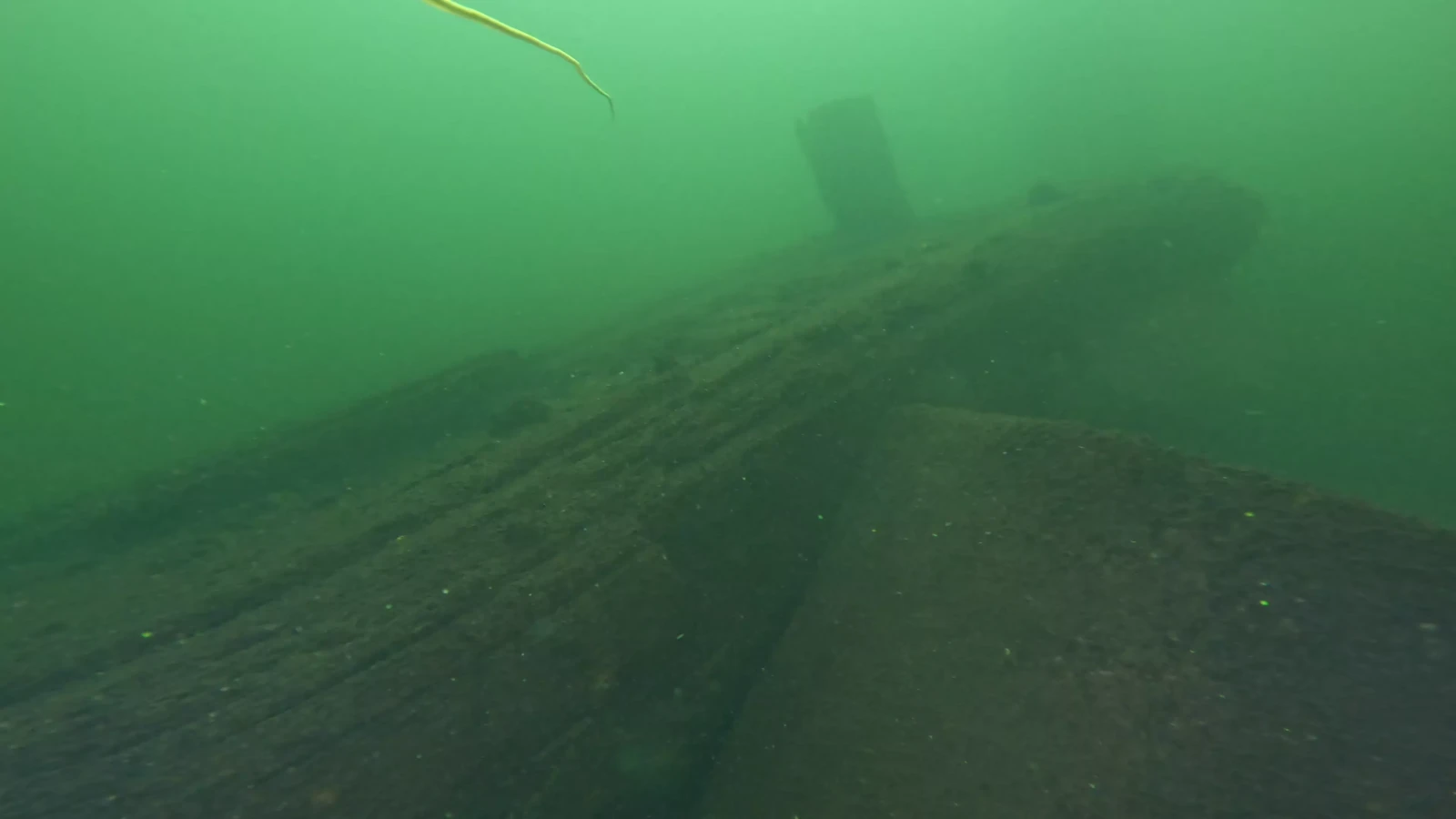
Parisi collaborates with Libbie Barnes, associate curator at Seattle’s Museum of History & Industry, and George Spano, an experienced boat captain and marine conservationist. Their approach uses a two-step process to address Lake Union’s consistent poor visibility.
Using GPS, the team steers Finn within about 30 meters of a target. Then, the vehicle’s side-scan sonar activates to create a detailed acoustic map. Once a clear signal is found, Finn dives closer to capture the first distinct video and images with its onboard cameras and lights.
“Flying through murky waters without sight is challenging, so we depend heavily on the ROV’s sonars to detect and locate objects precisely,” Parisi told Fox News Digital.
Intact WWII Minesweeper Lies Below the Urban Landscape
One standout wreck is the Gypsy Queen, a wooden minesweeper constructed for the U.S. Navy in 1941. Originally named YMS-105, this 136-foot vessel was crafted from wood to avoid detonating magnetic sea mines. The ship’s crew lived by the motto: “Wherever the fleet goes, we’ve been.” The Lake Union History project chronicles the ship’s wartime role in detail.
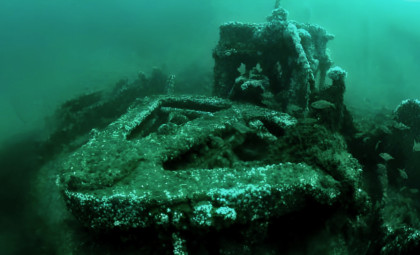
After the war, the Navy sold the ship. In 1958, a retired couple from Seattle purchased it, intending to tow it to Alaska and convert it into a floating fish processing facility. Yet the Gypsy Queen never made the journey and sank while docked in 1968. Photos taken underwater by diver Dan Warter in 2011 reveal that the wreck remains remarkably intact, its wooden form still discernible after more than 50 years submerged.
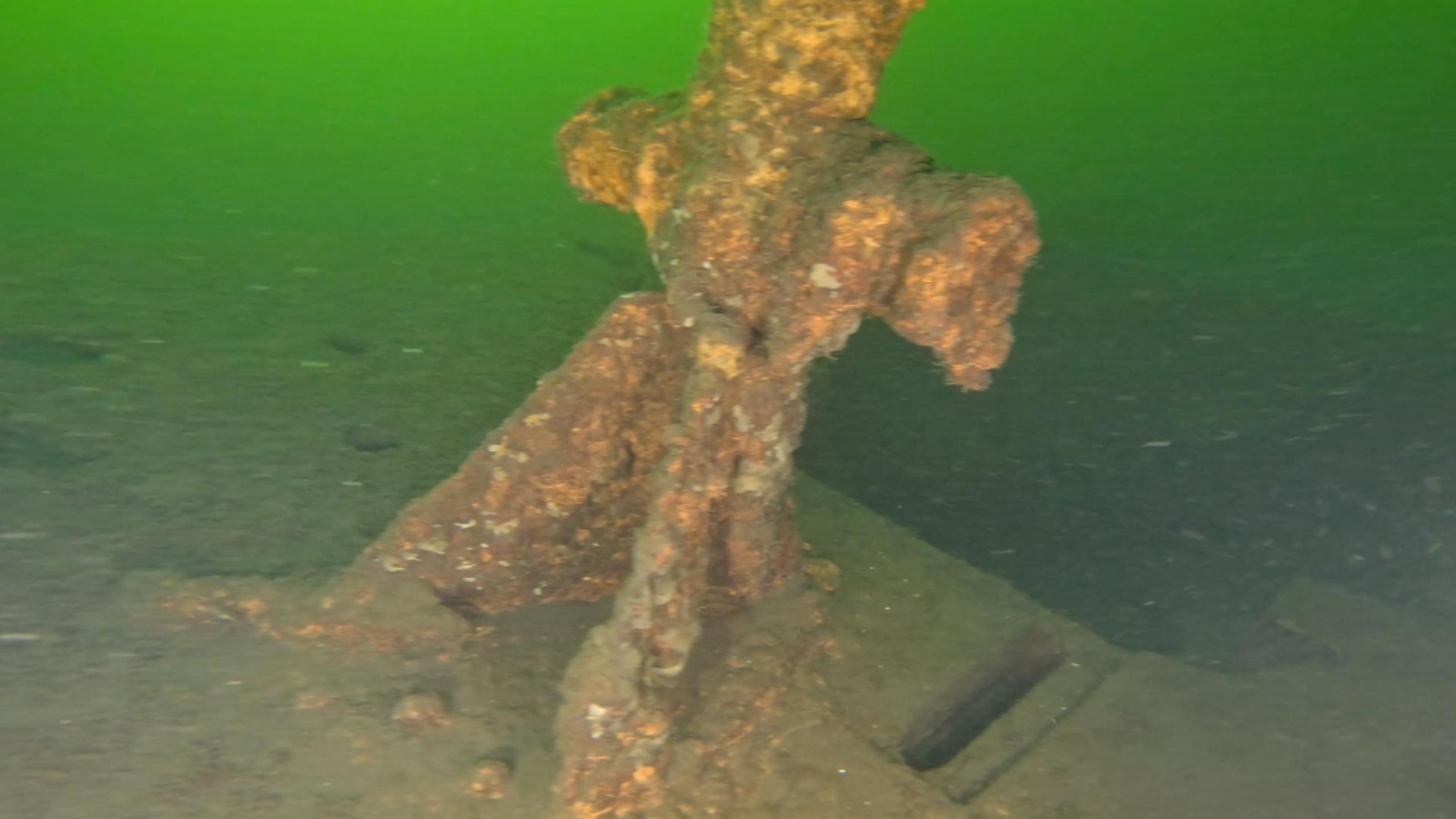
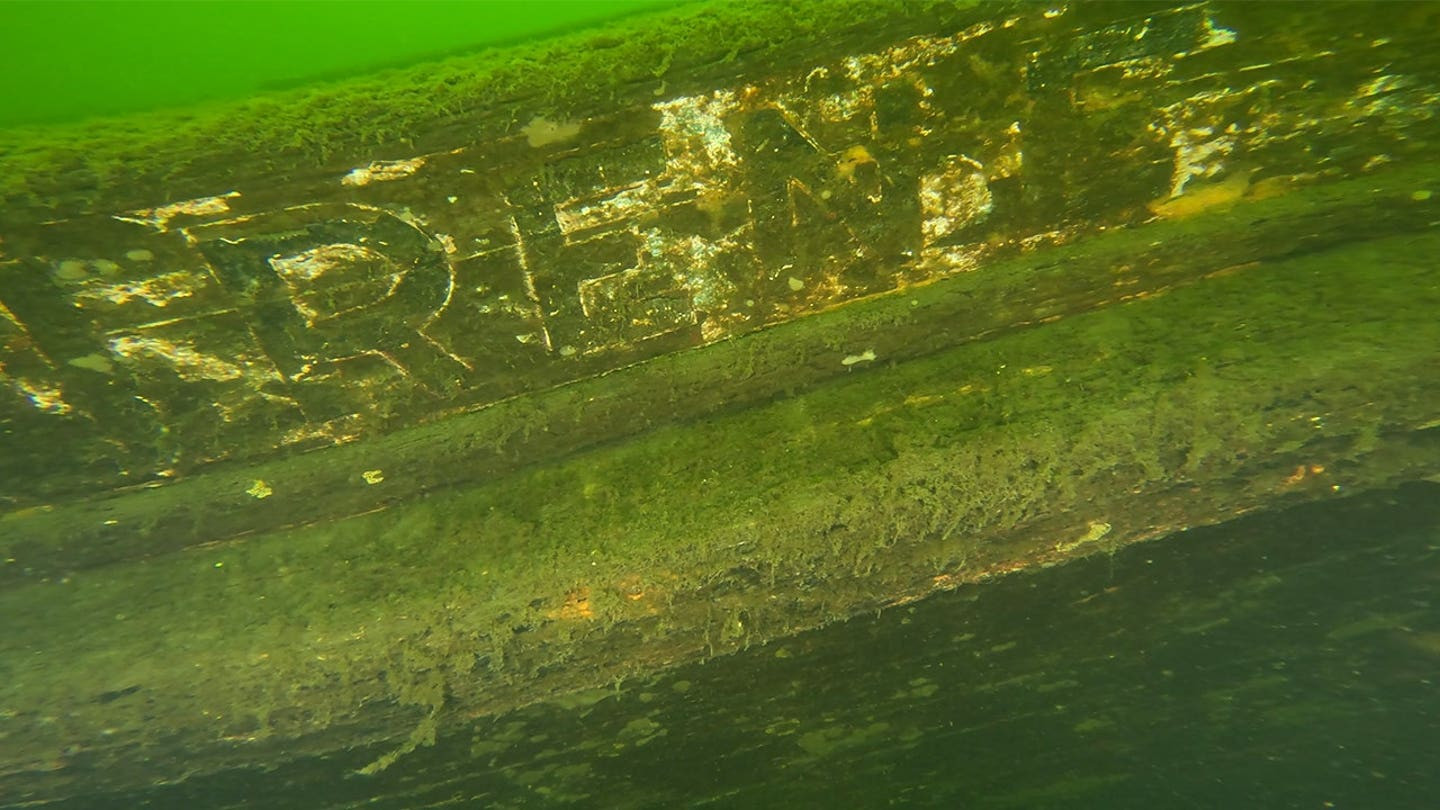
Close to Gas Works Park, Finn surveyed the Foss 54, a 91-foot wooden barge catalogued as LU007, resting in 15 feet of water. Nearby, a 40-foot adapted landing craft and a 45-foot wooden ship named Irene, still bearing its name on the hull, were found.
Each discovery contributes to a growing public registry. Every shipwreck is assigned an identification number along with type, depth, size, and coordinates. The database now includes over 100 submerged vessels.
Environmental Wear Challenges Ship Identification Efforts
Even clear images don’t guarantee easy identification. Prolonged submersion erodes typical markers.
“Biofouling, corrosion, improper anchoring, and other environmental factors often damage hull markings, erase names, and cause wrecks to deteriorate,” Parisi noted.
During one dive, Finn’s camera captured a registration sticker still attached to a hull. “It last registered in 1985, likely sinking before the 1986 registration period,” Parisi said. “Finding that was a major breakthrough.”
Access remains limited for many wrecks as they lie beneath docks and floating homes. Some marina operators have hesitated to allow filming. The team uses only ROVs instead of divers partly to avoid exposure to pollutants.
Below roughly 25 feet, aquatic vegetation thins drastically. “It’s a stark, lifeless zone,” Parisi explained. “But while the biology is scarce, the concentration of wrecks is extraordinary. It truly is shipwreck city.”
Historic Archive Safeguards Vanished Shorefront Memory
Nathaniel Howe, director of the Puget Sound Maritime Historical Society, views this endeavor as crucial for preserving local heritage. Much of Seattle’s maritime waterfront life has already vanished. Underwater shipwrecks provide a tangible link to the past that cannot be duplicated.
“What excites me most about this project is how it invites the community to explore the lake’s history and discover shipwrecks—not as Hollywood myths, but right here in the city,” Howe told KING 5.
He emphasized that Parisi’s robotic approach avoids the destructive impacts often associated with treasure hunting. The focus is documentation, not recovery, and no vessels are being raised.
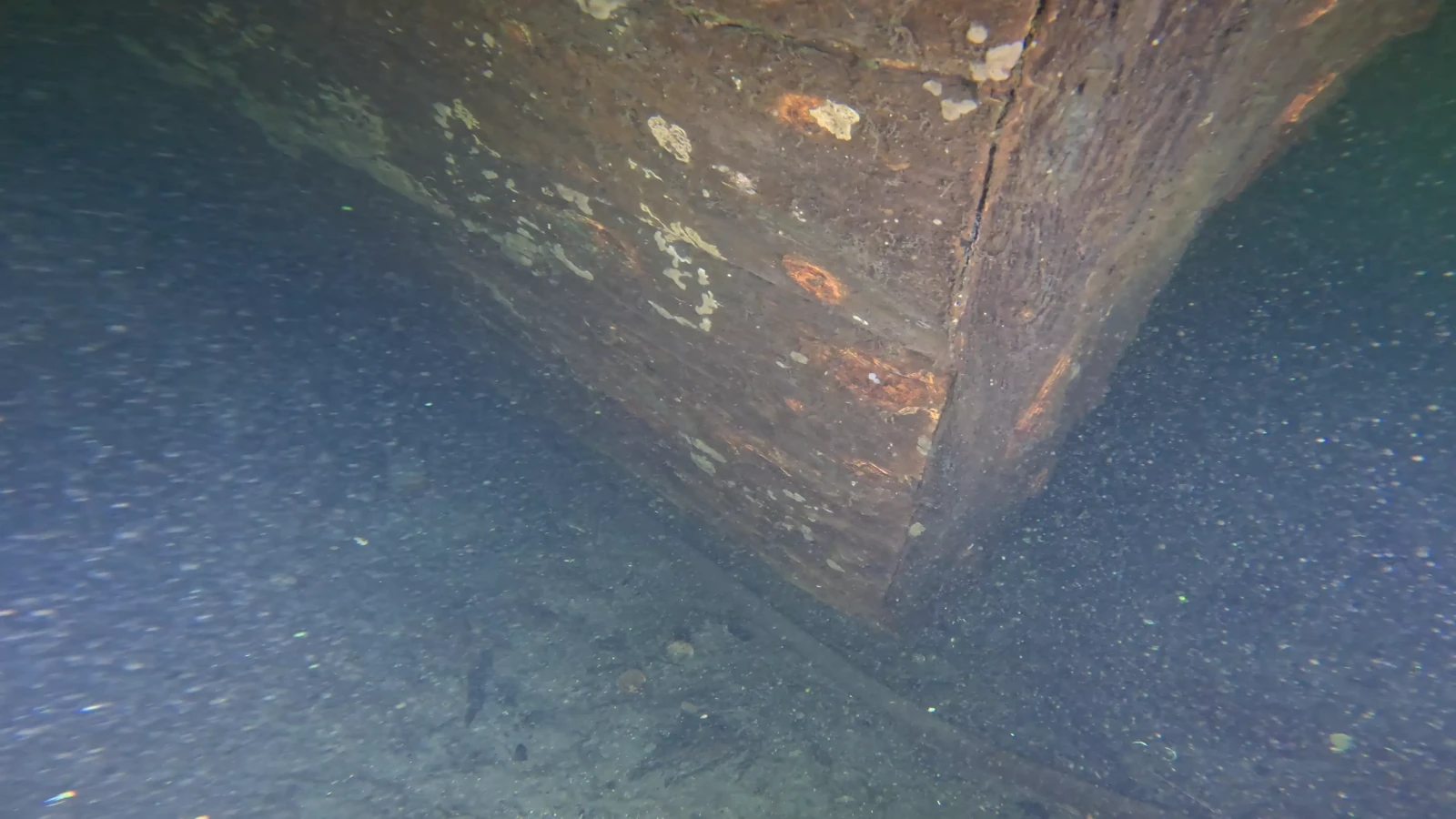
Parisi has uncovered no riches; instead, the cameras have captured tires, plastic debris, and broken remnants alongside confirmed shipwrecks. The investigation continues, aiming to individually document every accessible target.
“Every locale holds remarkable landmarks and secrets, yet daily life often distracts us,” Parisi told Fox News Digital. “When possible, indulge your curiosity and delve into your community’s historical depths—you’ll uncover amazing stories from not so long ago.”
“Research into Lake Union’s shipwrecks is just getting underway,” Howe added.
- Categories:
- News


0 comments
Sign in to Comment