

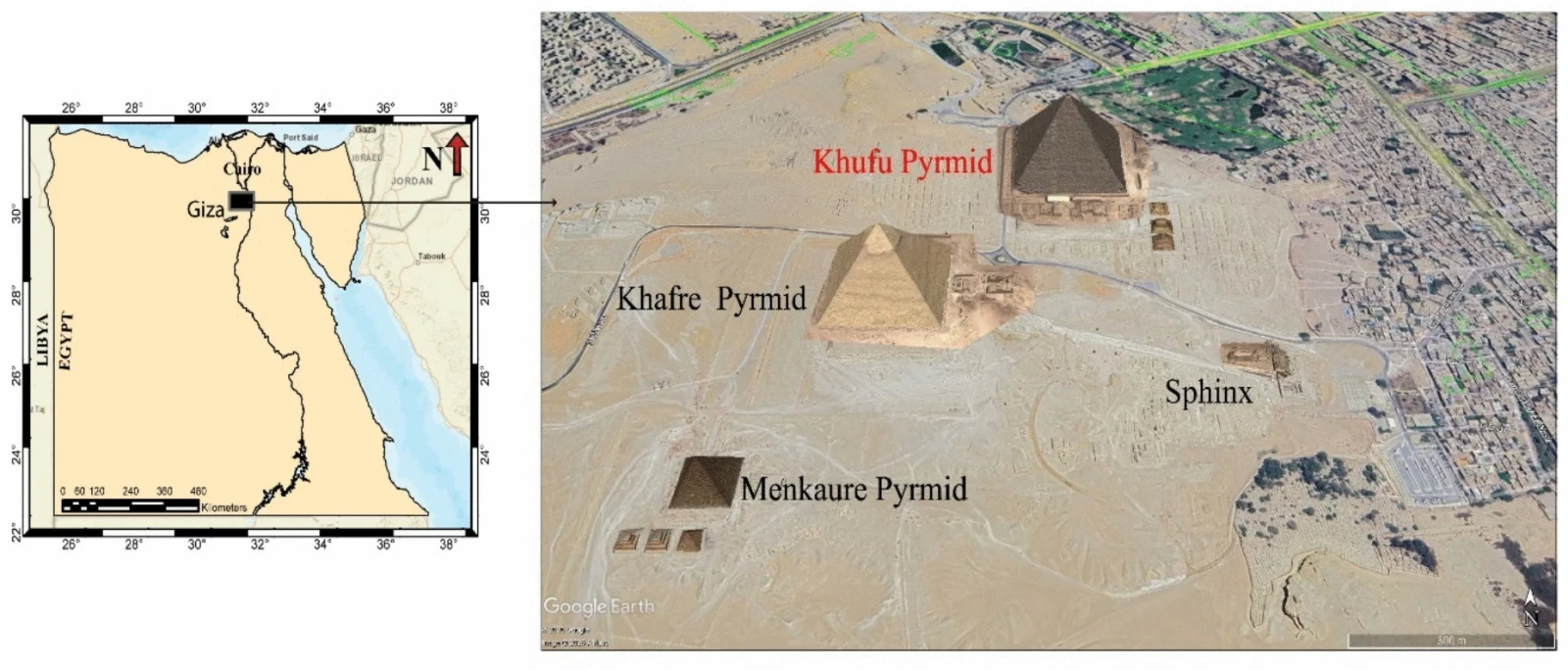
The iconic Great Pyramid of Khufu has withstood the test of time, enduring powerful earthquakes, harsh desert conditions, and relentless weathering for over 4,500 years. Recent research indicates that a crucial factor behind its durability is the structure’s unique vibration pattern, which differs from that of the ground beneath it.
Constructed in Egypt’s Old Kingdom, the Great Pyramid comprises limestone blocks each weighing about 2.5 tons. While much attention has been given to the engineering feats involved in its assembly, scientists are now investigating the reasons behind its extraordinary longevity.
A research team led by seismologist Asem Salema from the National Research Institute of Astronomy and Geophysics (NRIAG) in Egypt analyzed how seismic waves travel through the pyramid. Published in Scientific Reports, the study aimed to determine if the pyramid’s structural characteristics offer inherent resistance to earthquake-induced damage.

The Pyramid and Ground Vibrate at Different Frequencies
Central to this investigation was the concept of resonance, which occurs when a structure oscillates at the same frequency as external forces, amplifying movement and potential harm during seismic events.
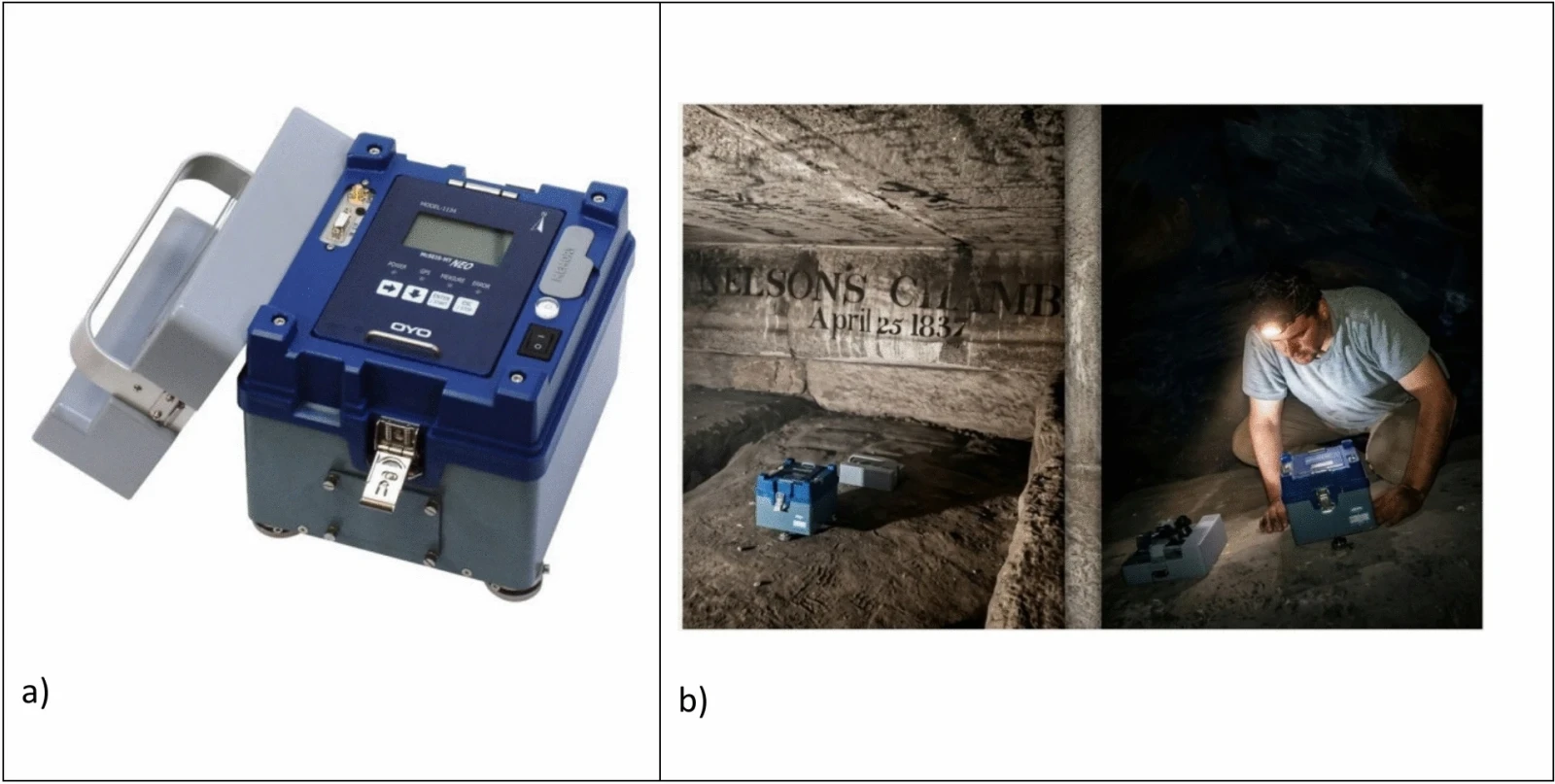
The researchers placed 37 vibration sensors inside and near the pyramid. Using a method termed horizontal-to-vertical spectral ratio analysis (HVSR), they recorded subtle oscillations in both the monument and the surrounding earth.
Data revealed that the pyramid’s natural vibration frequency differs from that of the ground beneath it. This mismatch lowers the risk of the pyramid resonating with ground motions, thus reducing the likelihood of earthquake-induced amplification.
Structural Design Contributes to Earthquake Resilience
Historical records show the Great Pyramid has survived numerous seismic events, including the notable 5.9 magnitude earthquake in Cairo, 1992. Despite the intense shaking, damage to the monument remained minimal.
While the study does not attribute this stability solely to resonance avoidance, it highlights the frequency disparity as a key protective factor.
Resonance is a known hazard in many earthquake-related structural failures worldwide. The Great Pyramid’s ability to oscillate distinctly from its foundation underscores a unique interaction between ancient architecture and natural seismic forces.
Architectural Features That Aid Vibration Absorption
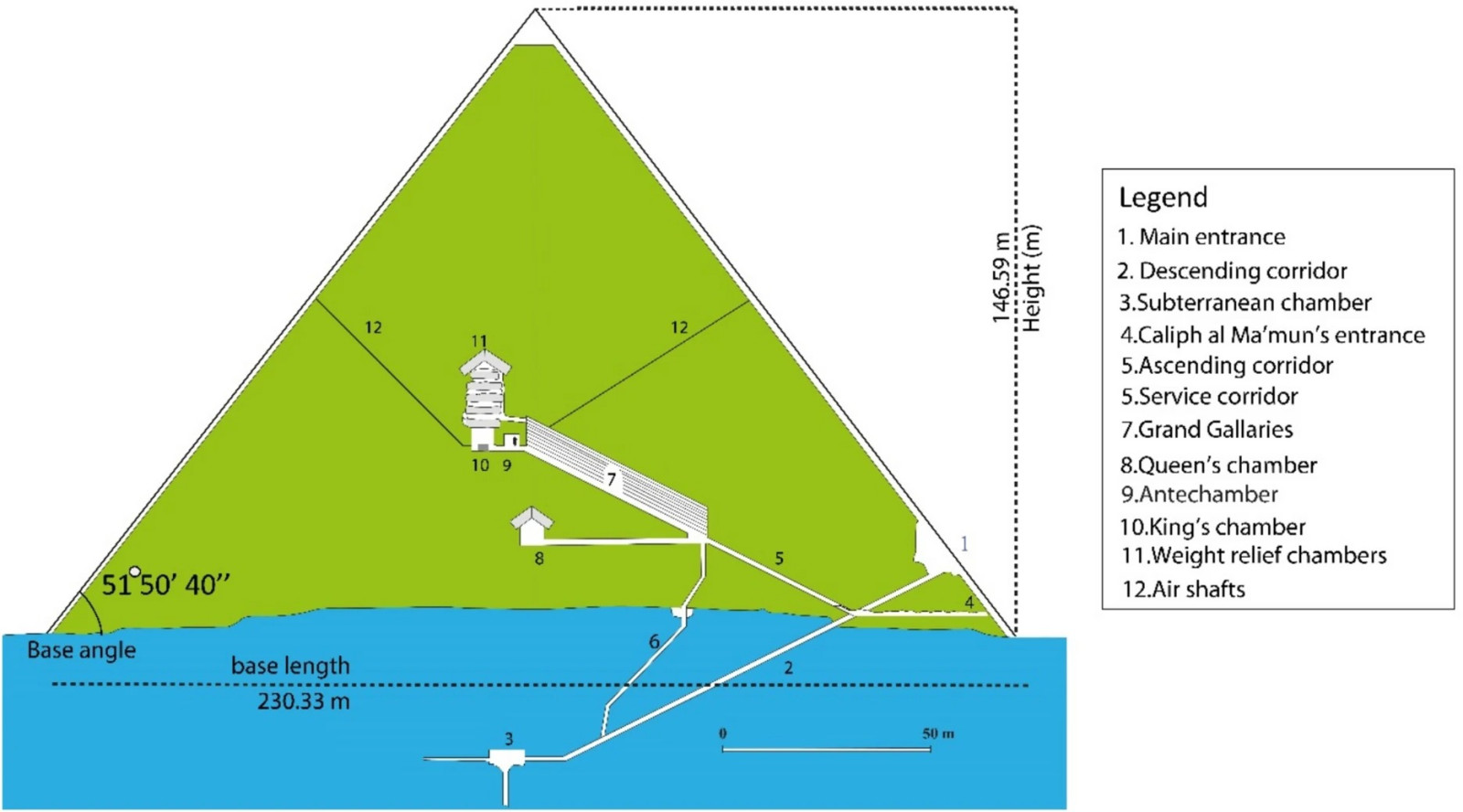
The researchers also examined distinct architectural elements. The pyramid’s wide base concentrates mass low to the ground, while its balanced symmetry evenly distributes stress across the structure.
According to the Scientific Reports publication, the chambers above the King’s Chamber may help reduce seismic pressure higher up. Additionally, the limestone blocks and underlying bedrock contribute to dampening the vibrations transmitting through the structure.
These combined features seem to bolster the monument’s endurance over millennia. However, Salema cautions that the idea of ancient Egyptians intentionally engineering the pyramid to resist earthquakes remains speculative and cannot be definitively proven by seismic data alone.
“These findings present compelling quantitative evidence that ancient Egyptian architects possessed profound geotechnical understanding, optimizing structure design and site characterization to assure millennial-scale stability against seismic hazards,” as the authors said.
- Categories:
- Science













0 comments
Sign in to Comment