
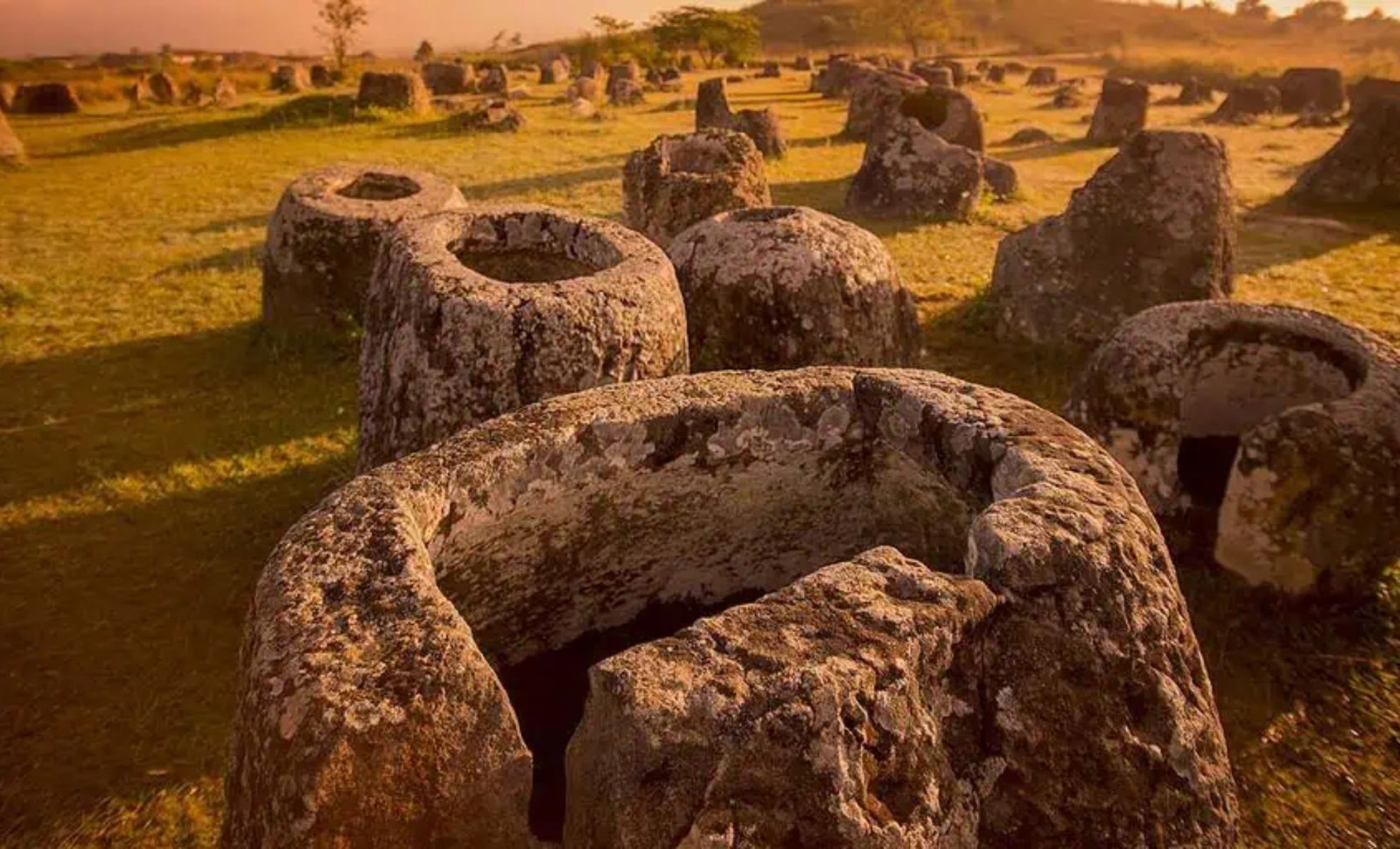
Scattered across the Xiangkhoang Plateau in Laos, thousands of enormous stone jars have puzzled historians and archaeologists for decades. Recent excavations have uncovered new insights into the function of at least one of these massive vessels.
The mystery surrounding these jars endured for years, as vast parts of the region were too perilous to explore due to residual unexploded cluster munitions from the 1960s Laotian Civil War. Nowadays, systematic archaeological digs are unraveling the story behind the jars and the societies that fashioned them.
The Plain of Jars decorates a diverse landscape of woodlands and open plains, where the monumental stone jars range in size from about 1 to 3 meters tall. Scholars had long debated their purpose. Thanks to the efforts of Nicholas Skopal from James Cook University, it has been confirmed that these were not simply storage containers as once hypothesized.

Human Skeletal Remains Spanning Centuries
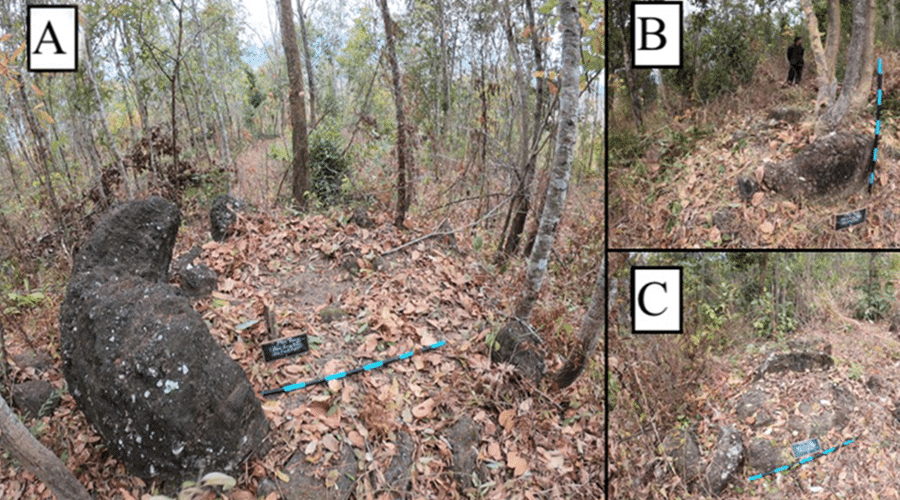
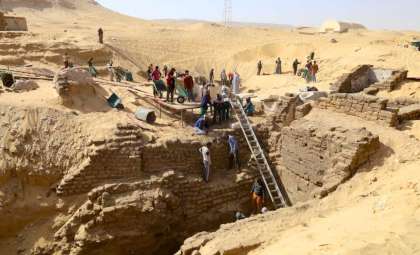
The excavation centered on Jar 1 at Site 75, a colossal stone jar sculpted from conglomerate, with a base roughly two meters in diameter. According to Skopal, the jar was partially buried and deteriorated, requiring three field seasons from 2022 through 2024 to fully unearth.
“Archaeologists generally agree they were used in mortuary rituals, but we don’t know how they were exactly used, who made them, or how old they are,” he noted.
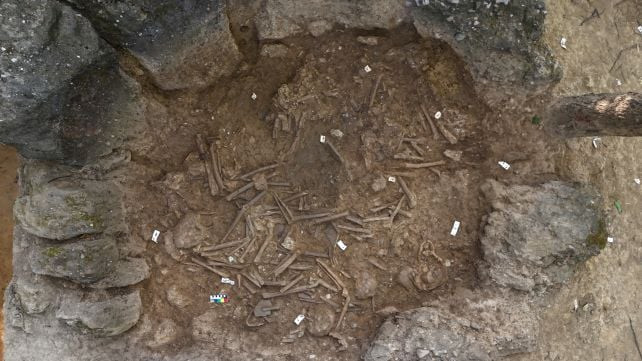
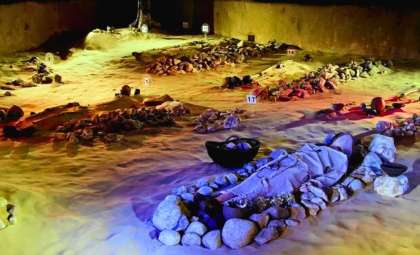
Inside Jar 1, archaeologists uncovered a tightly packed collection of bones belonging to approximately 37 individuals, carefully layered over time. Radiocarbon analysis indicates that the deposition of these remains occurred gradually over 270 years. As Skopal explained:
“We determined that it was an example of secondary interment during the 9th and 12th centuries CE, in which human remains were deposited after an initial period of decomposition elsewhere.”
It appears that smaller jars might have been used in the initial collection of remains, whereas the bigger jars served as temporary resting spots before the bones were moved again. Mortuary customs likely differed among various sites.
Artifacts Indicating Ancient Trade Connections
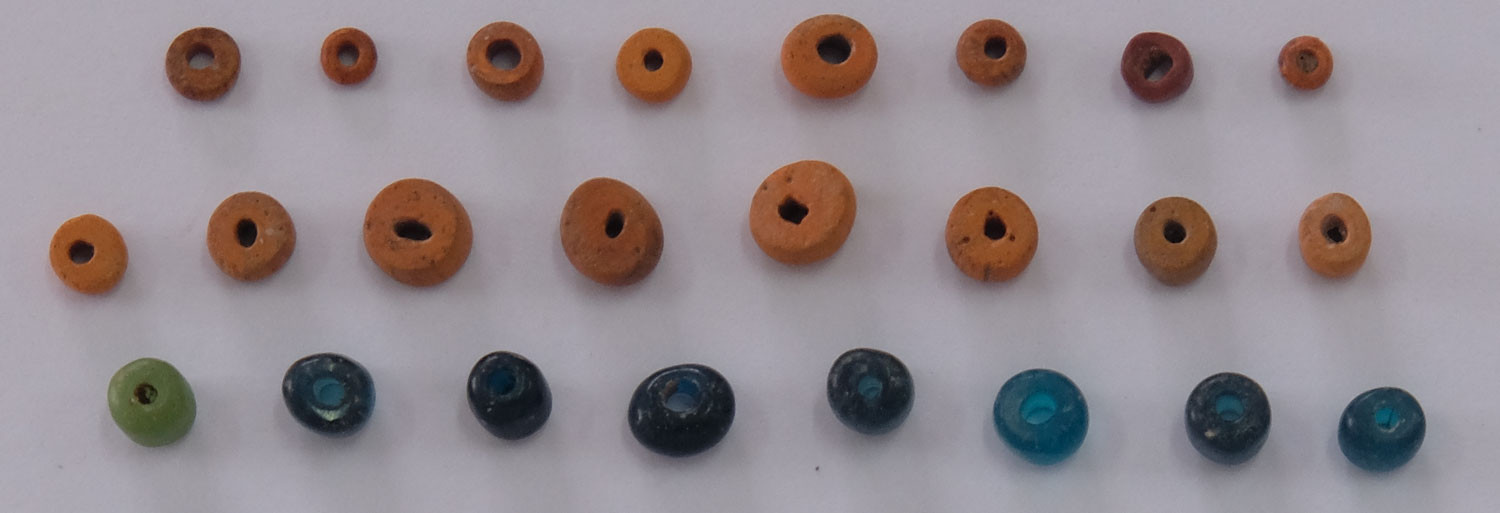
The bone assemblage was accompanied by various artifacts. As detailed in the research published in Antiquity, the finds included 20 glass beads, five stone slabs, shards of pottery, a small bell, and an iron knife. Some pottery fragments fit together perfectly, forming a complete vessel, and the knife and bell resemble artifacts found in other burial contexts, underscoring their significance as grave goods.
Particularly notable were the glass beads. Chemical tests revealed origins tracing back to South India and Mesopotamia, suggesting these ancient inhabitants were part of extensive trade networks reaching far beyond Laos.
Skopal emphasized that communities on the Plain of Jars were not isolated, actively engaging with distant cultural and economic spheres during the first millennium CE.
Long-Term Family Burial Practices
The volume of remains in Jar 1 implies the jars were likely used by related family or clan groups. These vessels appear to have been focal points for ancestral ceremonies carried out over many generations. The arrangement of bones and artifacts indicates repeated ritual use stretching across centuries.
Current studies of the bones aim to establish familial relationships, lifestyles, and social structures of these ancient populations. Skopal noted that this could verify if the jars functioned as multigenerational burial sites.
“The preservation encountered here offers an exceptional window into past mortuary practices, and indicates that many comparable sites may still exist, awaiting discovery,” he added that: “continued investigation of these landscapes has the potential to fundamentally transform our understanding of the cultural and social dynamics that shaped the region.”
- Categories:
- Science






0 comments
Sign in to Comment