
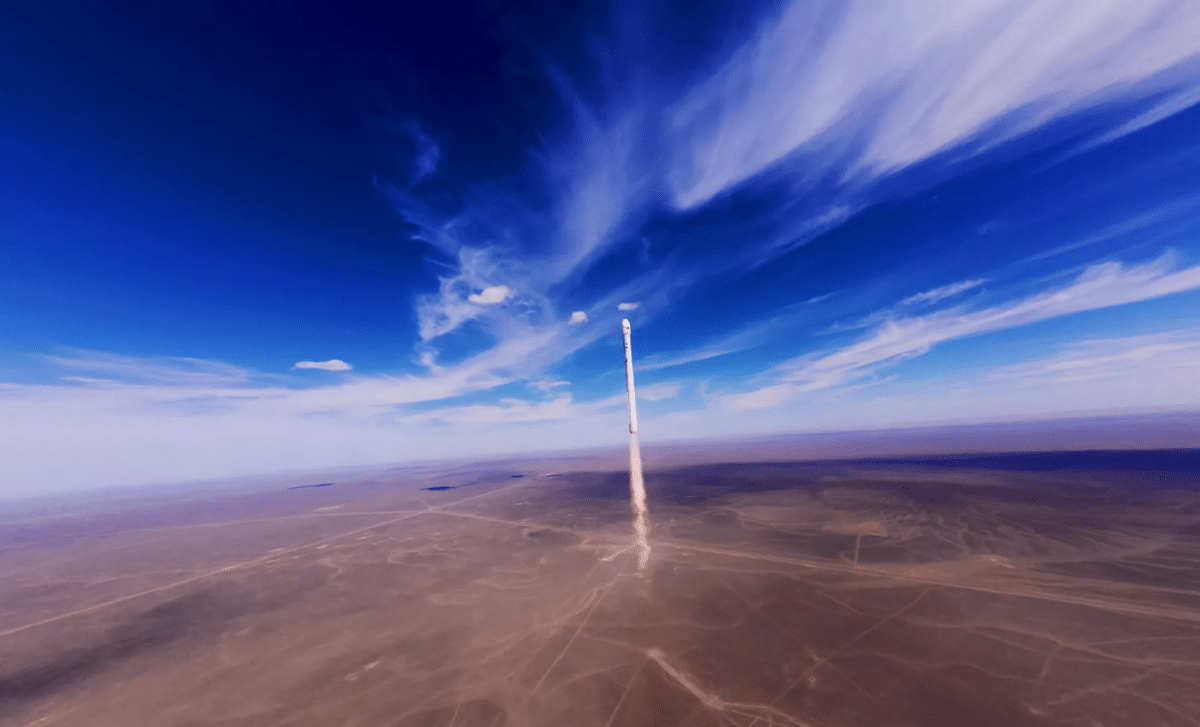
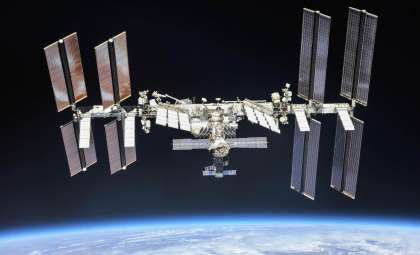
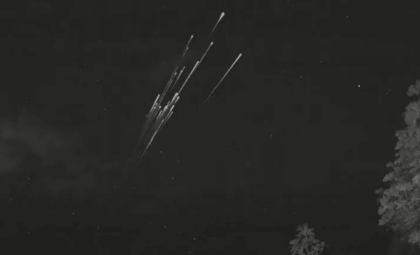
A recent disintegration of a Chinese rocket's upper stage has generated a swiftly expanding debris cloud within one of the most trafficked orbital zones. This development has heightened concerns regarding satellite safety and orbital traffic control, reports Ars Technica. The event occurred in low Earth orbit shortly after deployment, where the upper stage unexpectedly fragmented near the orbital paths of the International Space Station and SpaceX’s Starlink system, triggering immediate alerts among space surveillance networks.
Debris Cloud Emerges in a Busy Orbital Area
The fragmentation took place soon after the Zhuque-2E rocket entered orbit on June 9, carrying two satellites designed to deliver direct cellular communications. Instead of executing a planned controlled deorbit, the upper stage broke apart, dispersing debris throughout a heavily trafficked region already occupied by active satellites, discarded rocket parts, and known space junk. The insertion of new fragments intensifies operational challenges for managing space traffic in this congested corridor.
The US Space Force verified this occurrence through a bulletin on space-track.org, emphasizing that tracking efforts and collision risk assessments are ongoing. Their announcement stated: “The tracked pieces are being integrated into regular conjunction assessment processes to ensure safety in space operations,” adding, “Currently, there is no threat posed to human spaceflight. Evaluations continue.” This statement reflects vigilant monitoring as the debris disperses.

The upper stage, built by the Chinese aerospace firm LandSpace, was approximately 8 meters long and 3.35 meters wide. It orbited at altitudes ranging from 335 to 424 kilometers, coinciding with zones used by crewed vehicles and satellite constellations. Although atmospheric drag will gradually bring down smaller debris, the immediate increase in orbital fragments elevates the risk of collisions, necessitating continuous tracking and modeling.
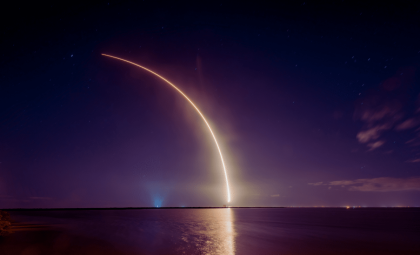
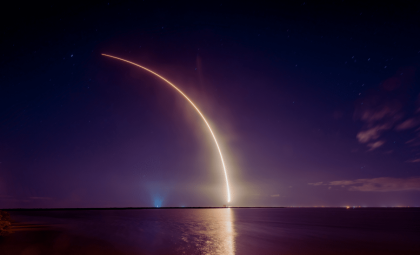
China successfully deployed two new satellites into orbit last week aboard the Zhuque-2E Y6 rocket, developed by LandSpace, a private aerospace firm headquartered in Beijing.
The launch marks the latest in a series of successes for commercial space companies based in the Chinese… pic.twitter.com/YEtFcl67DC— China Xinhua News (@XHNews) June 16, 2026
Monitoring Debris and Evaluating Collision Hazards for Satellite Operators
Experts tracking the cloud estimate that the breakup produced between 100 and 150 fragments, all moving at orbital speeds capable of inflicting serious damage on operational spacecraft. These debris pieces have not yet been included in standard catalogs, complicating collision prediction efforts by satellite networks. The zone affected contains a high concentration of Starlink satellites, many positioned at lower altitudes within similar orbital inclinations.
Ars Technica highlights that this orbital layer is commonly used for broadband satellites and new direct-to-device communication systems. Overlapping satellite paths increase conjunction probabilities that require rigorous monitoring. While crewed missions currently face no direct danger, the growing debris adds complexity to orbital operations, especially for recently deployed assets lacking extensive tracking history.
Darren McKnight, senior technical fellow at LeoLabs, shared insight on the recurring fragmentation trend in low Earth orbit: “Three of the four largest breakup events in LEO originated from Chinese vehicles, with two of these explosions occurring in the past four years,” McKnight noted. His comments underscore how upper stage design choices, passivation, and end-of-life protocols significantly impact fragmentation risk after launch.
- Categories:
- Space







0 comments
Sign in to Comment