
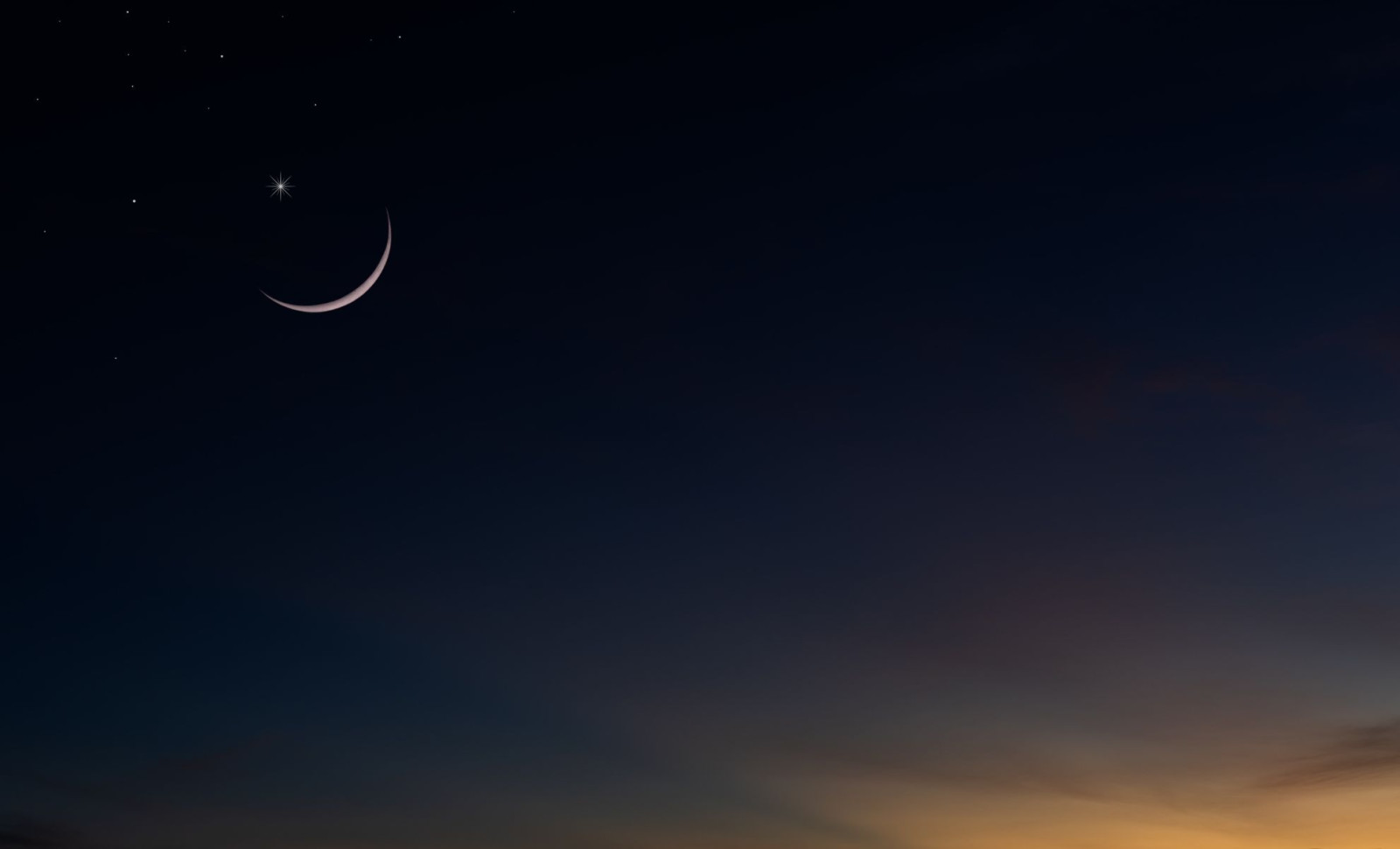
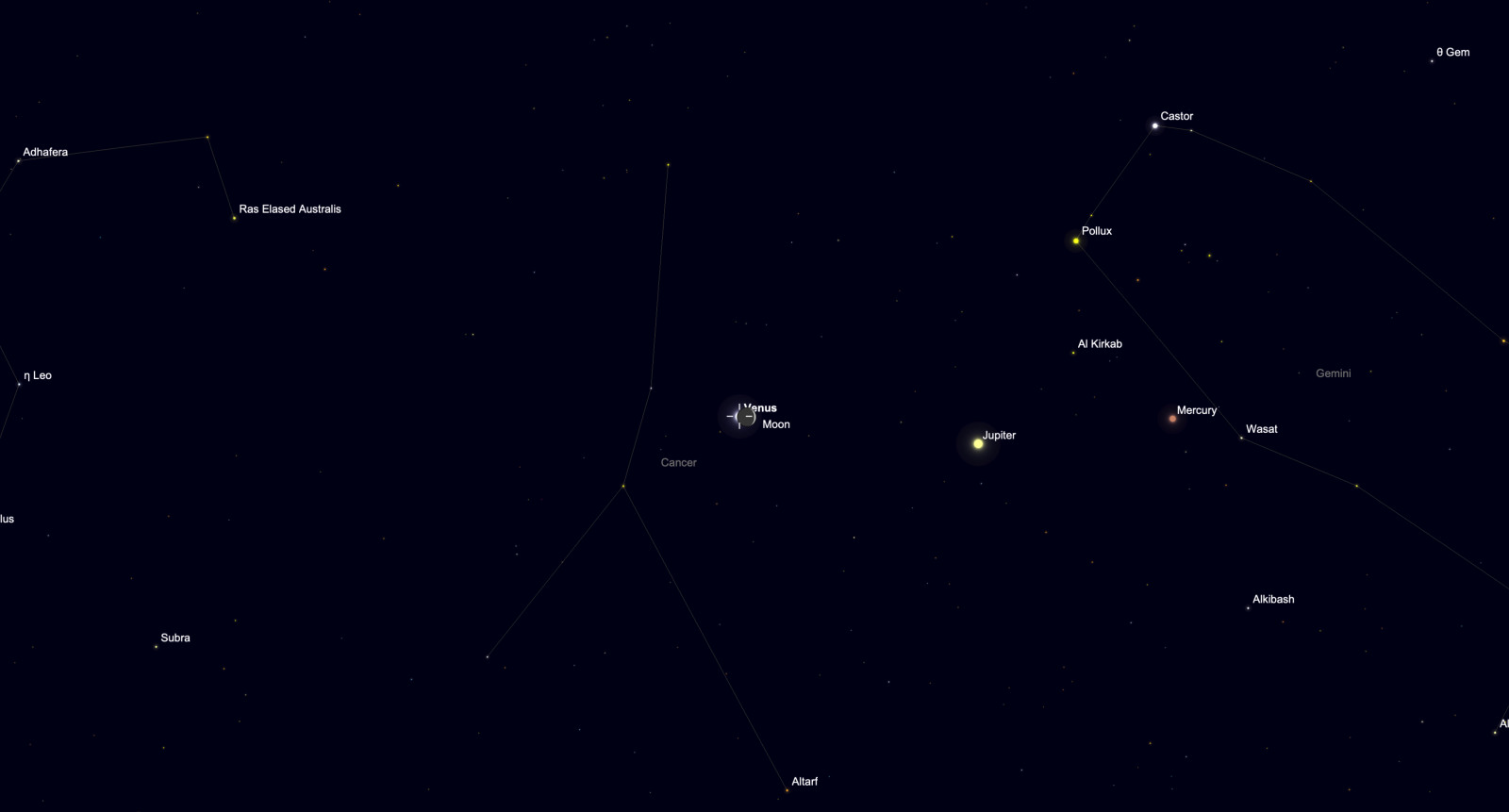
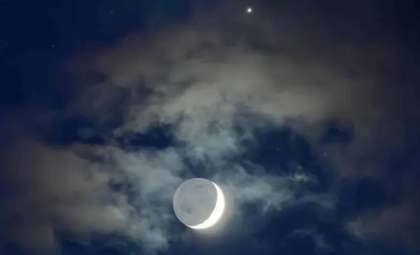
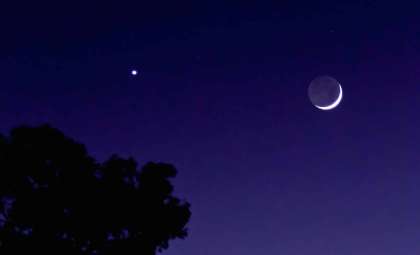
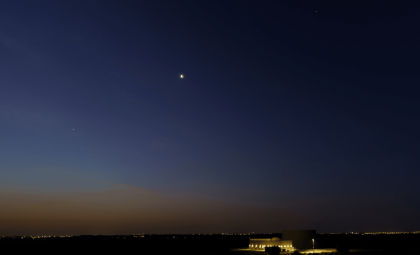
On the evening of June 17, observers will be treated to a slender crescent Moon shining in the western sky near Mercury, Jupiter, and Venus, creating a layered celestial formation visible soon after sunset. Notably, the Moon will traverse the Beehive open star cluster during this event.
This spectacle takes place along the solar system’s plane, where the paths of the Sun, Moon, and planets closely follow one another across the sky. While planetary alignments are common, the addition of a young crescent Moon moving through a rich star cluster offers a rare and captivating scene for those with a clear view.
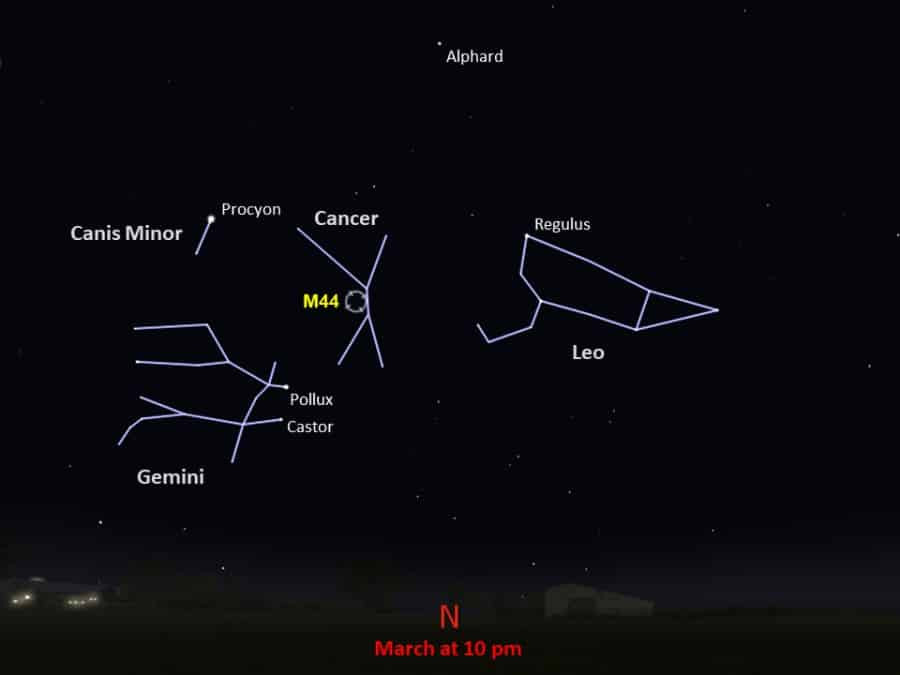
According to detailed observations, the Beehive Cluster (M44) hosts approximately 1,000 stars and is situated within the constellation Cancer. Its position near the ecliptic occasionally allows the Moon to pass through it, producing a fleeting but notable celestial alignment during one night.

Planets Along the Western Twilight
Following sunset on June 17, Mercury will be positioned low on the western horizon, partially obscured by the lingering twilight. Mercury is the first among the group to vanish, setting within about two hours after sunset. As noted in the Space.com report, this early disappearance is typical given Mercury’s close orbit to the Sun, which keeps it close to the horizon from Earth's viewpoint.
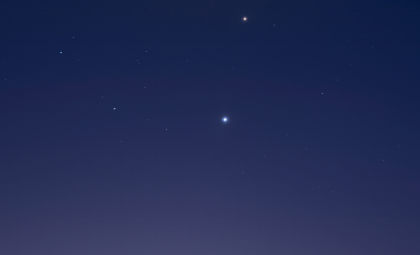
Higher above, Jupiter shines as a bright, steady beacon, with Venus positioned further along the same line. Completing this striking diagonal pattern is the crescent Moon, creating a visually compelling planetary sequence despite the vast distances separating these objects in space.
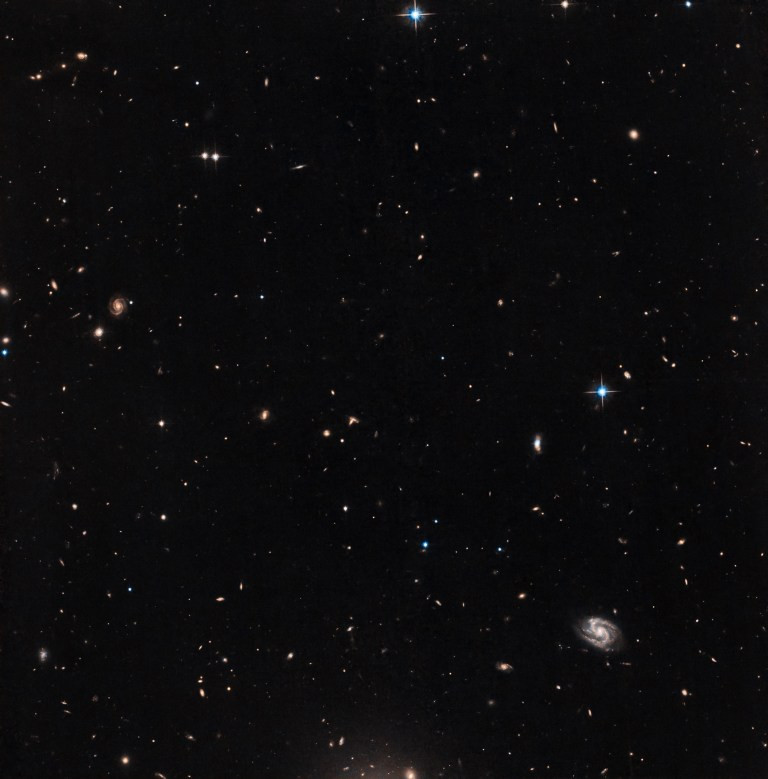
The Beehive Cluster adds a subtle backdrop of stars along the Moon’s track. Observers in the United States can expect the Moon to remain visible for about an hour after Mercury has set before it also disappears below the horizon.
Earthshine and Enhanced Views Through Binoculars
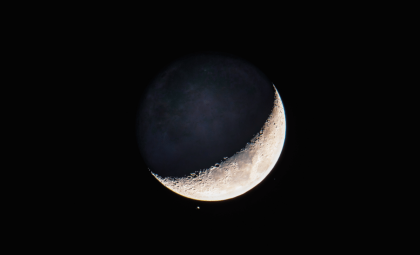
During this event, the crescent Moon may exhibit a gentle luminosity on its nighttime side caused by earthshine. This faint glow results when sunlight reflected from Earth softly illuminates the darkened side of the Moon, revealing its full form more clearly against the twilight.
Using binoculars significantly improves the viewing experience. According to reports, 10×50 binoculars can reveal dozens of stars in the Beehive Cluster that are otherwise too faint to distinguish unaided, highlighting the cluster’s richness.
Amateur astronomers with a modest telescope of around 4 inches aperture can observe additional details, including the cloud bands on Jupiter and its four largest moons, called the Galilean satellites. These features, invisible to the naked eye, become apparent under stable atmospheric conditions.
Movement After June 17’s Celestial Showcase
After the June 17 event, the Moon proceeds eastward away from the Beehive Cluster and Venus, advancing into the constellation Leo and nearing the bright star Regulus, an important multi-star system anchoring Leo’s heart and serving as a key sky reference.
Meanwhile, the planets gradually shift positions along the ecliptic line. Mercury moves closer to the horizon, becoming harder to spot each evening, while Venus travels through Cancer and slowly distances itself from Jupiter as the lineup disperses.
The source further highlights an upcoming close conjunction between Venus and Regulus on July 9, when Venus will pass within roughly one degree of this bright star system.
- Categories:
- News



0 comments
Sign in to Comment