
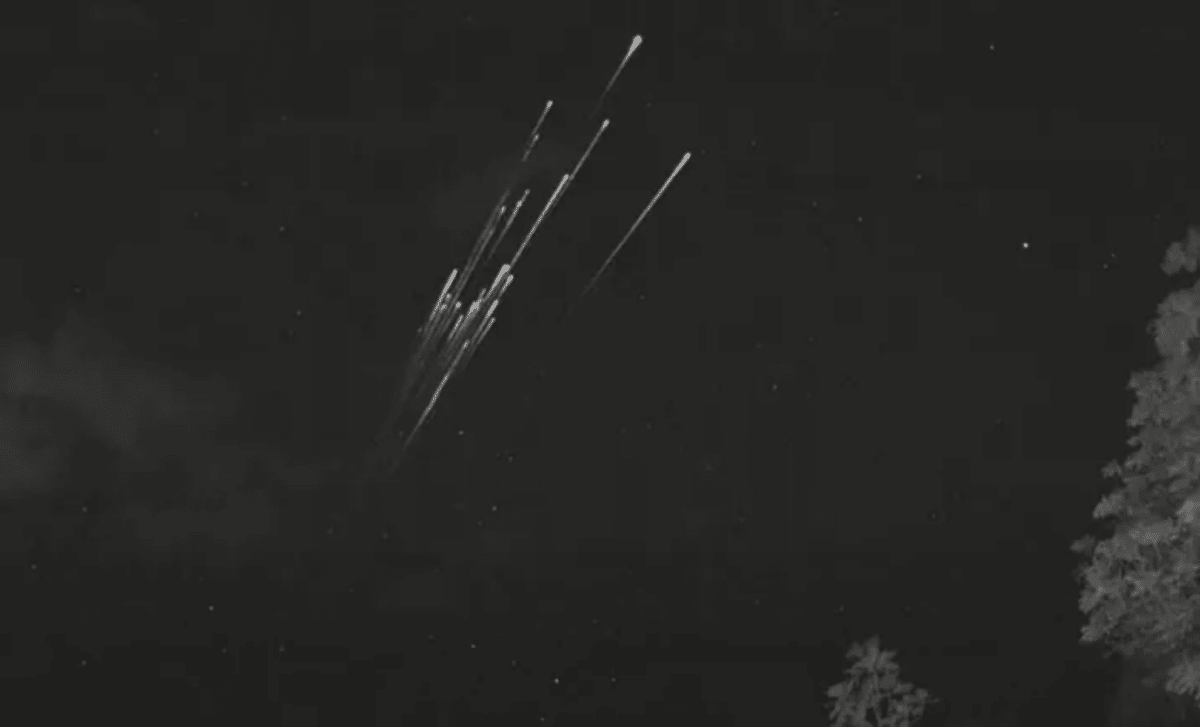
On March 29, 2026, a Starlink satellite unexpectedly disintegrated in orbit, raising alarms about the implications for upcoming space missions, including NASA’s Artemis II lunar expedition. The fragmentation event, tracked by LeoLabs, highlights the escalating challenges posed by space debris.
Starlink Satellite 34343 Disintegrates Unexpectedly
Starlink satellite number 34343 broke apart suddenly in low Earth orbit at roughly 350 miles altitude on March 29, 2026. Having been launched just in May 2025, this satellite had been in service for under a year before the incident. SpaceX has termed the breakup a “rapid unscheduled disassembly,” which has caused considerable concern across space industry circles.
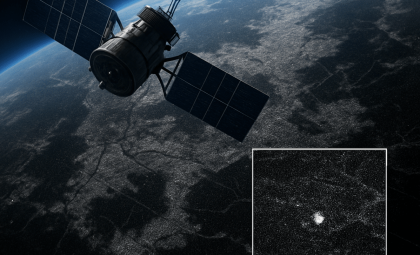
LeoLabs, a company specialized in space debris surveillance via global radar networks, reported that the fragmentation resulted in many pieces scattering over a broad area.

“Due to the low altitude of the event, fragments from this anomaly will likely deorbit within a few weeks,” LeoLabs stated.
Though not considered an immediate danger to crewed spaceflights, the debris field could lead to longer-term hazards for spacecraft navigating the region.
Potential Implications for Artemis II and ISS Operations
The timing of this event is notable, occurring just days before NASA’s Artemis II mission, set to launch on April 1, 2026. This mission aims to carry astronauts on a lunar flyby, marking humanity’s first crewed journey beyond Earth orbit in over five decades. While SpaceX asserts that the debris does not increase danger to the International Space Station (ISS) or Artemis II, some experts advise prudence.
“The increase in risk to other spacecraft is fairly small as far as we can tell,” McDowell told EarthSky. “It will be a short-lived increase in the debris risk for a few months, perhaps say a 10% increase, not a factor of two increase.” However, McDowell remains concerned about the broader implications of design flaws within Starlink satellites. “If these Starlinks have been breaking up due to an inherent design flaw,” he warned, “then the risks go up, a lot.”
While experts consider the immediate risk to Artemis II low, the growing amount of orbital debris threatens the integrity of essential space assets. SpaceX’s ongoing inquiry into the satellite failure aims to identify the root cause and mitigate future occurrences.
Investigating the Satellite’s Disintegration
Initial reports from SpaceX suggest the breakup originated from an internal malfunction rather than an external collision. The debris generated will remain in orbit temporarily; smaller fragments are expected to re-enter Earth’s atmosphere within weeks, while larger debris could stay aloft for years, continuing to pose collision risks.
LeoLabs draws parallels between this incident and a similar December 2025 breakup involving another Starlink unit, number 35956. These occurrences have amplified concerns about the durability of the newer V2 Mini Optimized Starlink satellites, which constitute a significant portion of the current constellation.
Following the incident, SpaceX reassured the public, stating,
“The SpaceX and Starlink teams are actively working to determine the root cause and will rapidly implement any necessary corrective actions.”
Rising Challenges of Orbital Debris
The fragmentation of the Starlink satellite adds to the ongoing conversation about the increasing dangers posed by space debris. With more than 10,000 satellites orbiting Earth and many thousands more planned, the hazards of space junk have become a major concern for governmental and commercial space organizations.
Although the Starlink network delivers essential internet connectivity worldwide, the rapid growth of satellite constellations increases collision probabilities. Ensuring the long-term viability of space activities demands enhanced debris management and mitigation strategies.
This latest breakup underscores that despite space’s vastness, the orbital corridors where satellites operate are limited and increasingly crowded. To safeguard vital missions such as Artemis II, coordinated global efforts are necessary to effectively tackle the growing debris issue.
- Categories:
- Space




0 comments
Sign in to Comment