
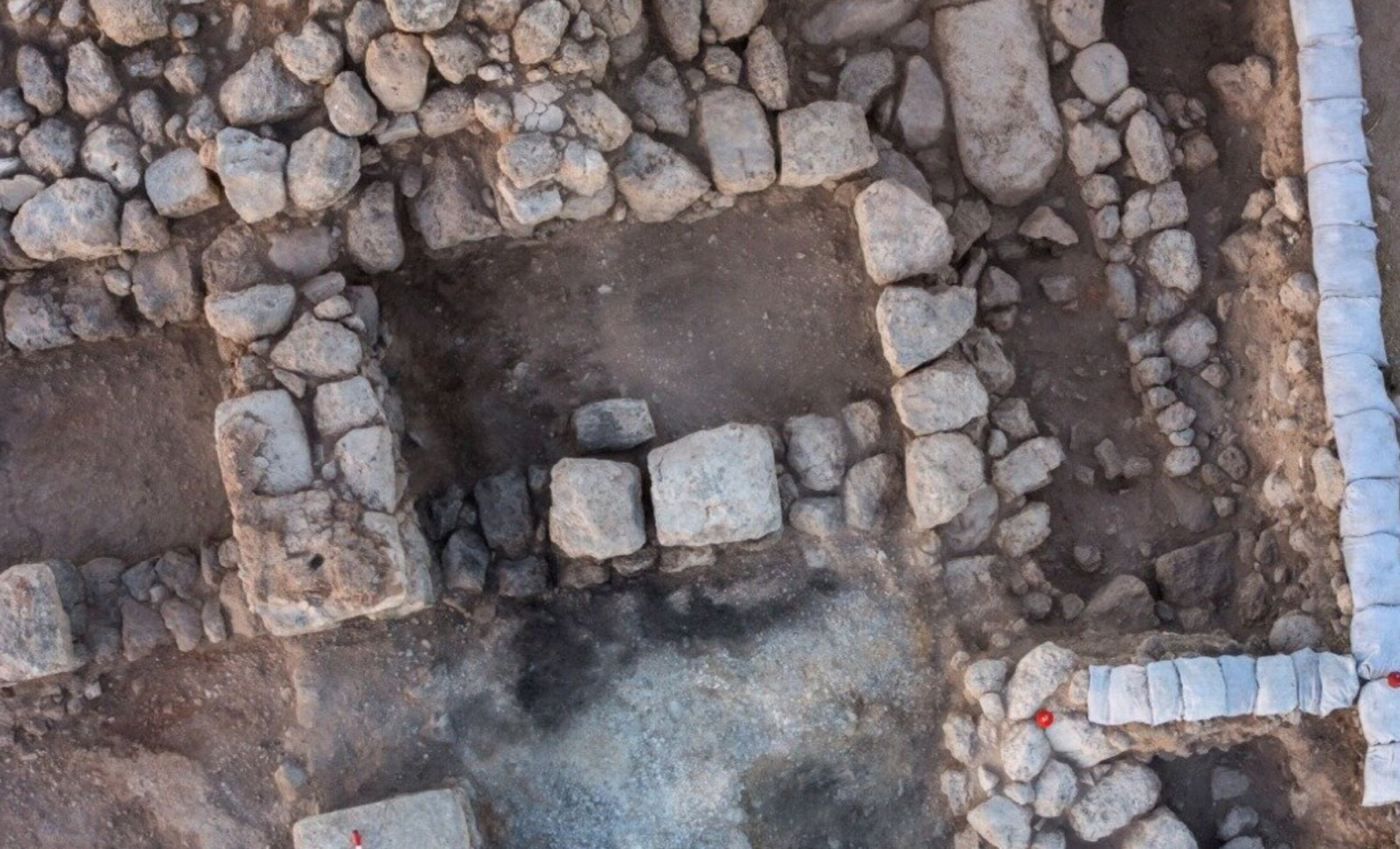
A colossal standing stone unearthed at Tel ‘Eton in the region of Judah offers new insights into a longstanding archaeological debate. Recent research indicates that this stone was intentionally taken out of its religious role over 2,700 years ago, possibly linked to sweeping religious reforms associated with King Hezekiah.
Whether King Hezekiah’s religious reforms occurred as outlined in biblical texts remains a hotly debated topic among scholars studying ancient Judah.
Previously, most evidence supporting the discussion came from temples, shrines, and other public worship sites. However, this new investigation, published in the Jerusalem Journal of Archaeology, shifts focus to a significant residential building at Tel ‘Eton, where a solitary stone reveals an intricate narrative about evolving religious customs.

A Central Monument Within an Important Structure
The research, conducted by Professor Avraham Faust from Bar-Ilan University, centers on an enormous massebah, a standing stone, discovered inside Building 101, widely considered the residence of a local governor.
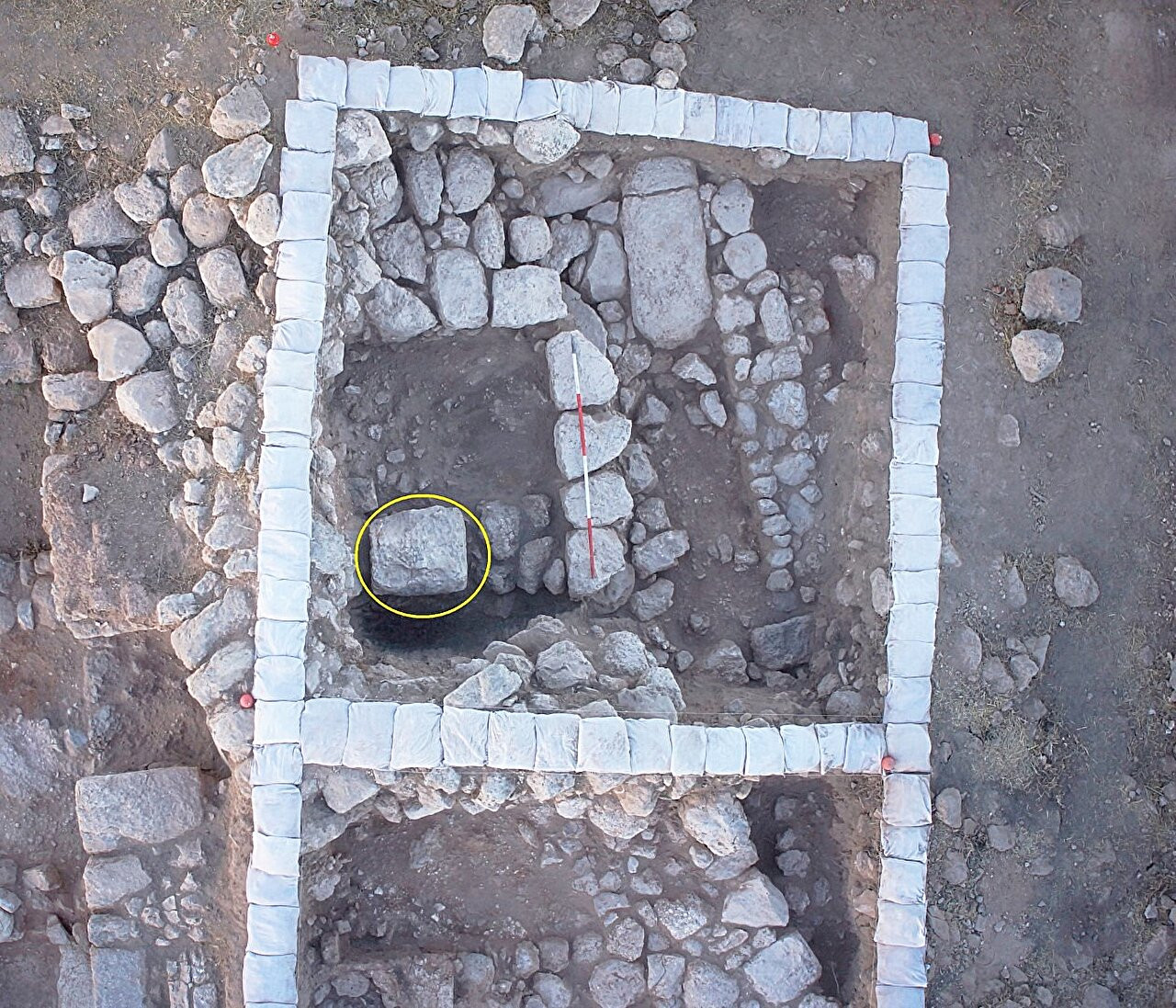
According to the published report, the stone is impressive in scale: approximately 1.4 meters (4.6 feet) in height and weighing about 750 kilograms (1,650 pounds). The team found it originally stood upright in the largest room, positioned to face the doorway directly.
Its placement ensured it was immediately visible to anyone entering the building. Archaeologists identified no functional reason for such a huge stone in this context, leading them to conclude it had symbolic or ritual significance.
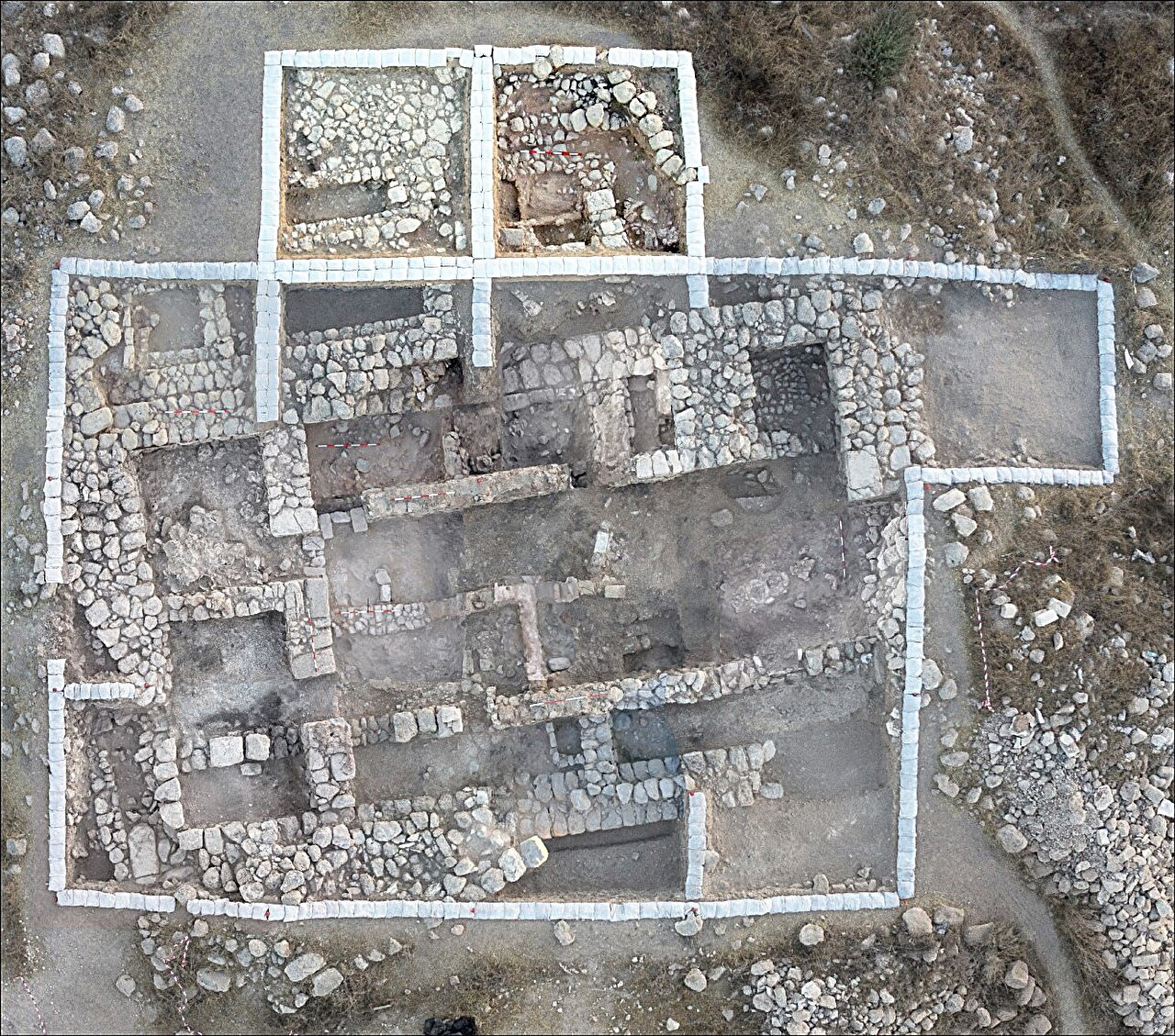
The study notes that similar standing stones frequently appear in ritual settings throughout the ancient Near East. The stone's position implies it was a key feature in the everyday lives of those living there.
“The location of the stone suggests that it played an important role in the lives of the building’s occupants,” Faust noted.
Decommissioned Without Damage
Instead of being left upright, the massive stone was deliberately laid down and integrated into a stone platform surrounding it. Remarkably, the researchers observed that it had not been broken, shattered, or deliberately defaced.
This careful treatment suggests an intentional decision was made to retire the stone’s religious role while still honoring its significance.
“Those responsible for changing religious practices may have wished to eliminate the stone’s ritual function,” Faust explained.
Although removed from active use, the stone was preserved without desecration.
“They removed it from use without destroying it, effectively neutralizing its cultic significance while preserving the object itself.
Subtle Religious Transformation Within a Domestic Setting
The discovery’s unique aspect lies in its setting. Archaeologists typically uncover evidence of religious reform in temples or public worship sites, while religious transitions within homes or administrative buildings are far more elusive.
Faust proposes that when household religious customs were discontinued, smaller ritual items could be simply relocated elsewhere, leaving minimal archaeological traces.
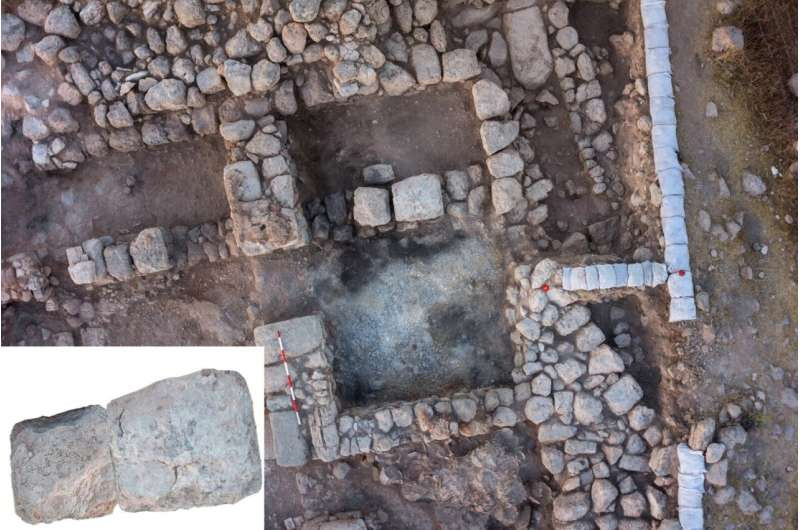
The stone at Tel ‘Eton stands apart since its massive size made removal impractical. Instead, the inhabitants integrated it into a newly constructed structure. The study dates this occurrence to before the site's destruction by the Assyrian Empire at the close of the eighth century BCE, aligning chronologically with Hezekiah’s period.
The author does not claim this stone’s removal was directly commanded by Hezekiah. However, the evidence aligns with other archaeological data that points to widespread religious shifts throughout Judah during this time.
- Categories:
- News












0 comments
Sign in to Comment