
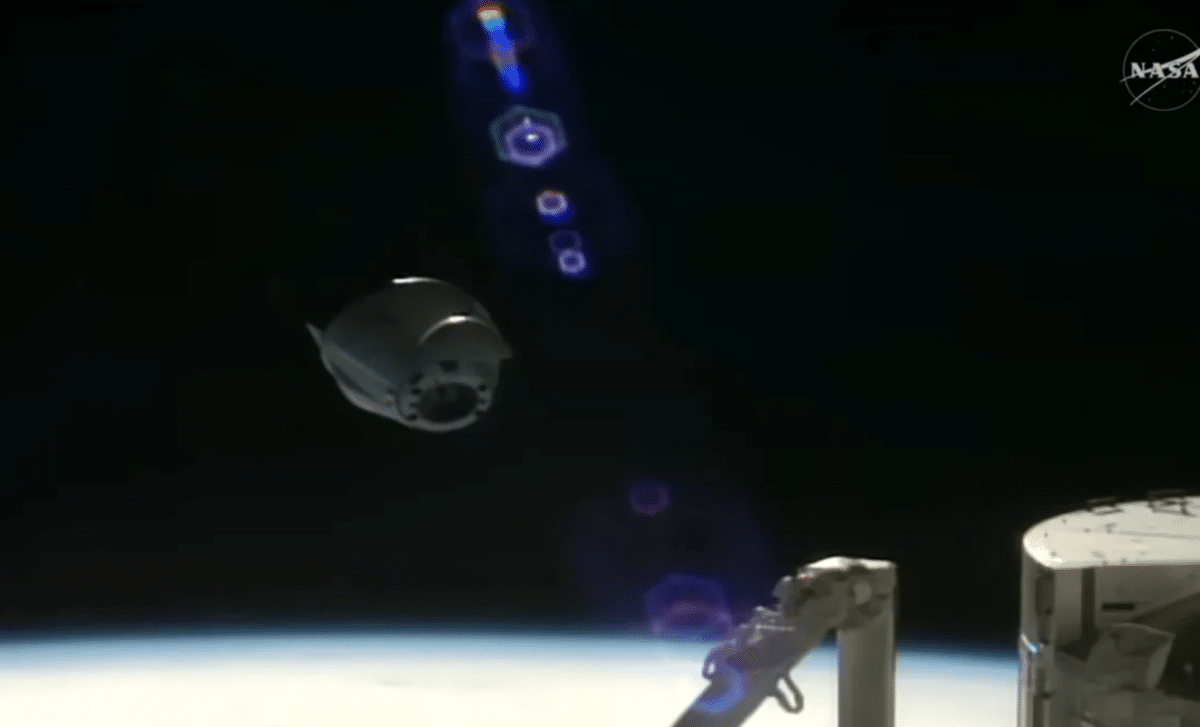
The SpaceX Dragon capsule has safely touched down in the Pacific Ocean near Oceanside, California, after completing an important cargo delivery and return mission for the International Space Station on June 17, 2026. This autonomous spacecraft brought back a variety of scientific samples and equipment that could pave the way for advancements in space travel and medical research. This splashdown concludes the 34th commercial resupply mission servicing the space station.
Accurate Reentry and Splashdown in the Pacific
As reported by NASA, the Dragon capsule reentered Earth's atmosphere and achieved a controlled descent before successfully splashing down at 5:11 a.m. PDT (8:11 a.m. EDT) in the waters off Southern California near Oceanside. Recovery crews promptly secured the vehicle to begin extracting sensitive scientific specimens.
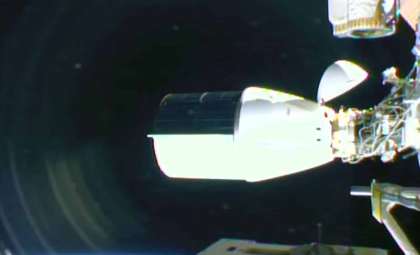
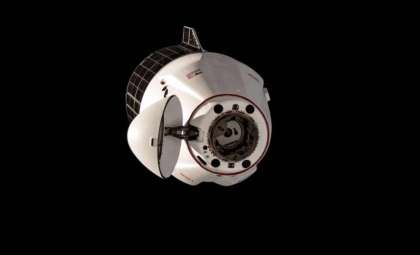
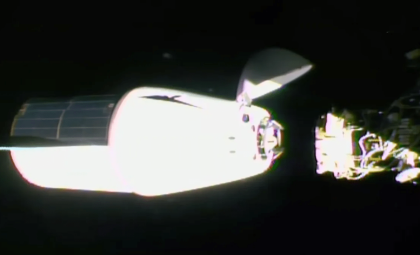
The capsule was undocked from the International Space Station on June 16 at 12:25 p.m. EDT. From there, it performed a series of precision orbital maneuvers to establish a safe reentry trajectory. The chosen splashdown zone was optimized to balance safety and swift retrieval, especially crucial for biological experiments requiring tightly controlled conditions.

This final touchdown caps a complex sequence that integrates orbital navigation, atmospheric reentry techniques, and ocean recovery planning. Precise coordination of these elements ensures the cargo remains intact and recovery operations occur on schedule.
Key Scientific Cargo Targets Future Space Missions
The returning Dragon capsule carried an array of scientific experiments reflecting the ongoing expansion of the International Space Station research portfolio. Highlights include bioprinted organ and cartilage tissues cultivated in microgravity, offering unique insights into cellular processes impossible to replicate on Earth.
Also onboard were data sets addressing cryogenic fuel storage challenges critical for prolonged deep-space travel. Scientists aim to understand how the lack of gravity impacts thermal stability and material durability over long durations.
Additional payload included prototype biomaterials inspired by DNA structures designed to enhance cancer treatment technologies, alongside space station engineering components such as an ocular imaging device for astronaut eye health monitoring. Returned life support system parts like an air filtration element and a waste pump are being analyzed to improve sustainability for extended human spaceflight.
Though diverse in focus, all these items contribute to a common goal: enabling more ambitious, safer crewed missions beyond Earth's orbit.
Mission Milestones From Launch to Return
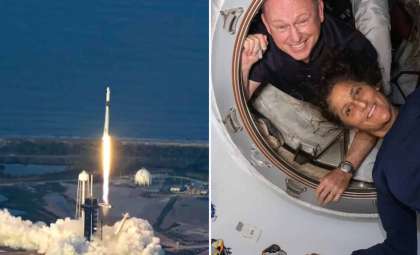
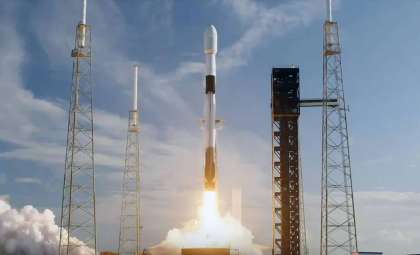
The mission launched aboard a Falcon 9 rocket from Cape Canaveral Space Launch Complex 40 in Florida. Liftoff occurred two days prior to Dragon’s arrival at the International Space Station on May 17, when the capsule successfully docked.
While docked, the spacecraft delivered supplies and served as the return vessel. Crew members loaded completed experiments and hardware into the capsule during its weeks-long stay.
On June 16 at 12:25 p.m. EDT, Dragon undocked to commence its return journey. This phase involved system verifications, precise orbital adjustments, and alignment for atmospheric reentry.
The mission concluded on June 17 with Dragon’s reentry and splashdown, completing a seamless launch-to-recovery operation.
- Categories:
- News




0 comments
Sign in to Comment