
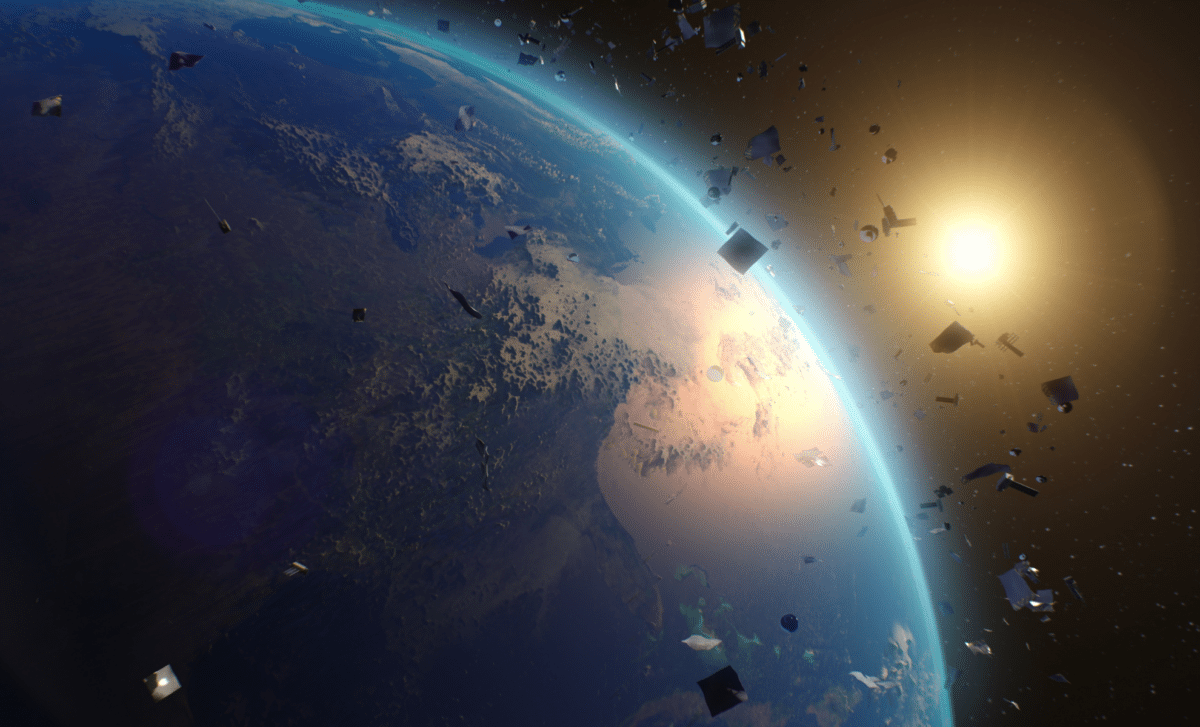
Once a minor issue as they burned up harmlessly on reentry, space debris is increasingly surviving descent and landing on Earth, raising concerns for global safety. Researchers noted by The Conversation highlight that durable new spacecraft materials are enabling larger debris fragments to reach the surface intact.
The Impact of Advanced Spacecraft Composites on Reentry Hazards
Earlier spacecraft parts were expected to fully vaporize during reentry, mitigating risk to people and infrastructure. However, modern spacecraft commonly use carbon fiber-reinforced plastics and high-performance metals, which offer excellent heat resistance and reduce weight. While these materials enhance mission efficiency, they also increase the likelihood of debris surviving the atmospheric burn-up.
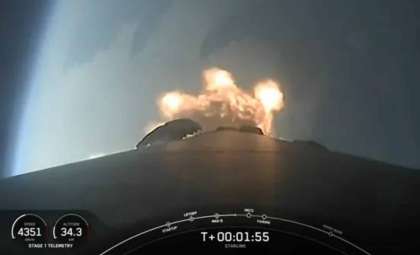
Consequently, larger debris pieces are falling on Earth with alarming frequency. For example, remnants from SpaceX’s Dragon capsule trunks — some as big as 15-passenger vans — have been recovered across North America and Australia. Carbon fiber parts pressurized for spacecraft control have also been found in countries including Argentina, Poland, and Australia. Researchers at the University of Wisconsin-Stout are investigating ways to adjust these materials’ thermal properties without sacrificing their operational advantages.

Understanding the Mechanics of Reentry and Debris Persistence
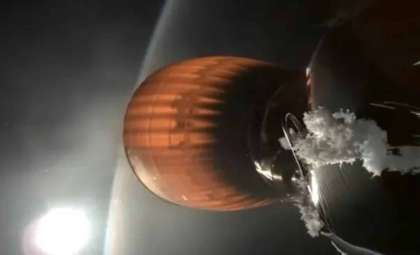
Satellites such as SpaceX’s Starlink fly between 190 to 1,240 miles above Earth at speeds over 17,000 mph. When discarded satellites or rocket remnants descend, they meet the upper atmosphere and collide with air molecules at hypersonic speeds, producing heat surpassing 3,000°F (1,600°C) — intense enough to melt older aluminum or steel parts.
Still, composites like carbon fiber-reinforced plastics and advanced alloys endure these temperatures longer, allowing fragments to reach the surface. Because these materials break unpredictably, controlling debris fall zones remains difficult, with pieces often landing far from planned safe areas.
The Boom in Space Missions and Its Reentry Fallout
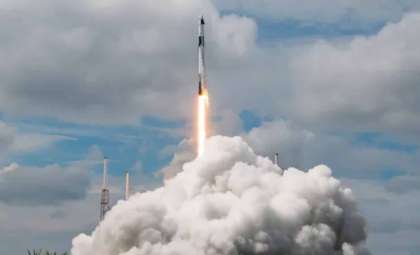
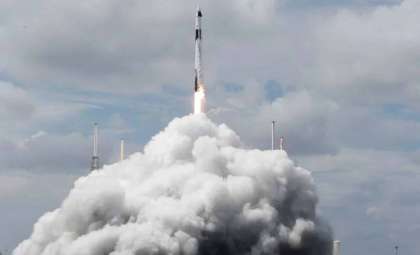
Although space debris has been around since the advent of space exploration, launch frequency has surged dramatically. From roughly 100 annual launches in 1960, the figure climbed to 4,500 by 2025. Industry leaders such as SpaceX and Rocket Lab are driving much of this growth, deploying extensive satellite networks numbering in the hundreds of thousands.
SpaceX recovered a Composite-Overwrapped Pressure Vessel from last week’s Falcon 9 re-entry. It was found on private property in southwest Grant County this week. Media and treasure hunters: we are not disclosing specifics. The property owner simply wants to be left alone. pic.twitter.com/dEIQAotItY
— Grant County Sheriff (@GrantCoSheriff) April 2, 2021
International frameworks, like the U.S. Federal Communications Commission’s regulations, mandate that retired satellites deorbit within 25 years, with ongoing discussions aiming to shorten this period to five years. The rules established now will influence debris volumes and associated hazards for the foreseeable future.
Innovating Spacecraft to Burn Up Safely on Reentry
To reduce risks, engineers are applying “design for demise” concepts. This involves placing components in hotter spacecraft areas, using materials engineered to weaken during reentry, or designing elements to fragment more effectively. The goal is to build spacecraft robust enough for orbit but that reliably disintegrate upon atmospheric entry.
This shift challenges past design priorities which favored lightweight, durable, and heat-resistant materials. The new challenge is creating smart materials that maintain performance in space yet break down safely when coming back to Earth.
Adapting to a Future with Increasing Reentry Events
As space missions multiply, reentry occurrences will rise, possibly putting populated and remote regions at risk from falling debris. Collaboration among scientists, regulators, and private companies is vital to evolve technology, strengthen policies, and improve debris management protocols.
As noted by The Conversation, gaining control over the behavior of advanced spacecraft materials is a pressing safety concern. Balancing efficient spacecraft design with safe reentry destruction will shape sustainable space operations moving forward.
- Categories:
- Space






0 comments
Sign in to Comment