
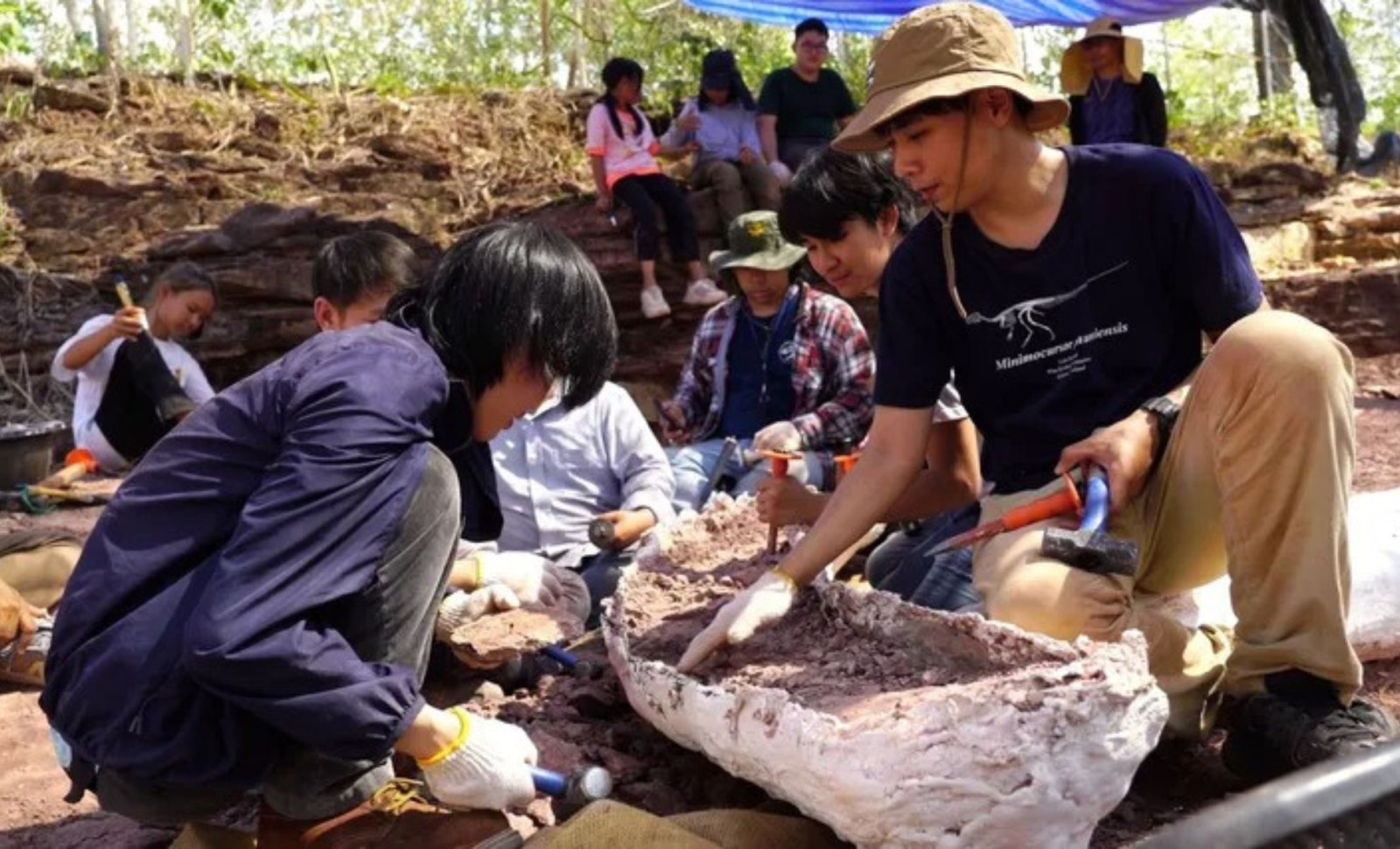
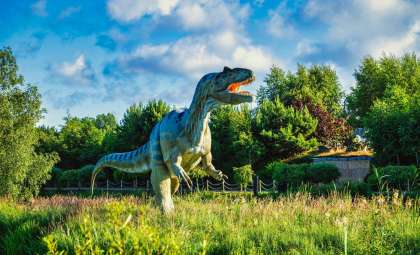
Researchers have unveiled fossils of a gigantic, long-necked dinosaur species named Nagatitan chaiyaphumensis discovered in northeastern Thailand. The creature is estimated to have measured over 88 feet long and weighed nearly 30 tons.
These remains were excavated in Chaiyaphum Province within the Khok Kruat Formation, dating to approximately 113 million years ago. This finding is remarkable not only due to the dinosaur's impressive size but also because it represents one of the most intact sauropod skeletons ever uncovered in Thailand, a region where dinosaur fossils tend to be fragmented.
Published in Scientific Reports, the study sheds light on the evolution and distribution of enormous herbivorous dinosaurs in Southeast Asia during a period of global sauropod diversification.

From Unusual Rocks to Dinosaur Bones
The discovery originated in 2016 when a local named Thanom Luangnan noticed odd rock formations near a public pond in Chaiyaphum. National Geographic Explorer Sita Manitkoon from Mahasarakham University initially described these as “strangely shaped rocks” before alerting Thailand’s Department of Mineral Resources.
Upon closer inspection, the “rocks” were revealed as fossilized bones including vertebrae, ribs, hip elements, and limb fragments. The scale of the dinosaur became evident as research progressed.
“Initial measurements of the bones excavated suggested that this could be the largest dinosaur ever found in Southeast Asia,” he said.
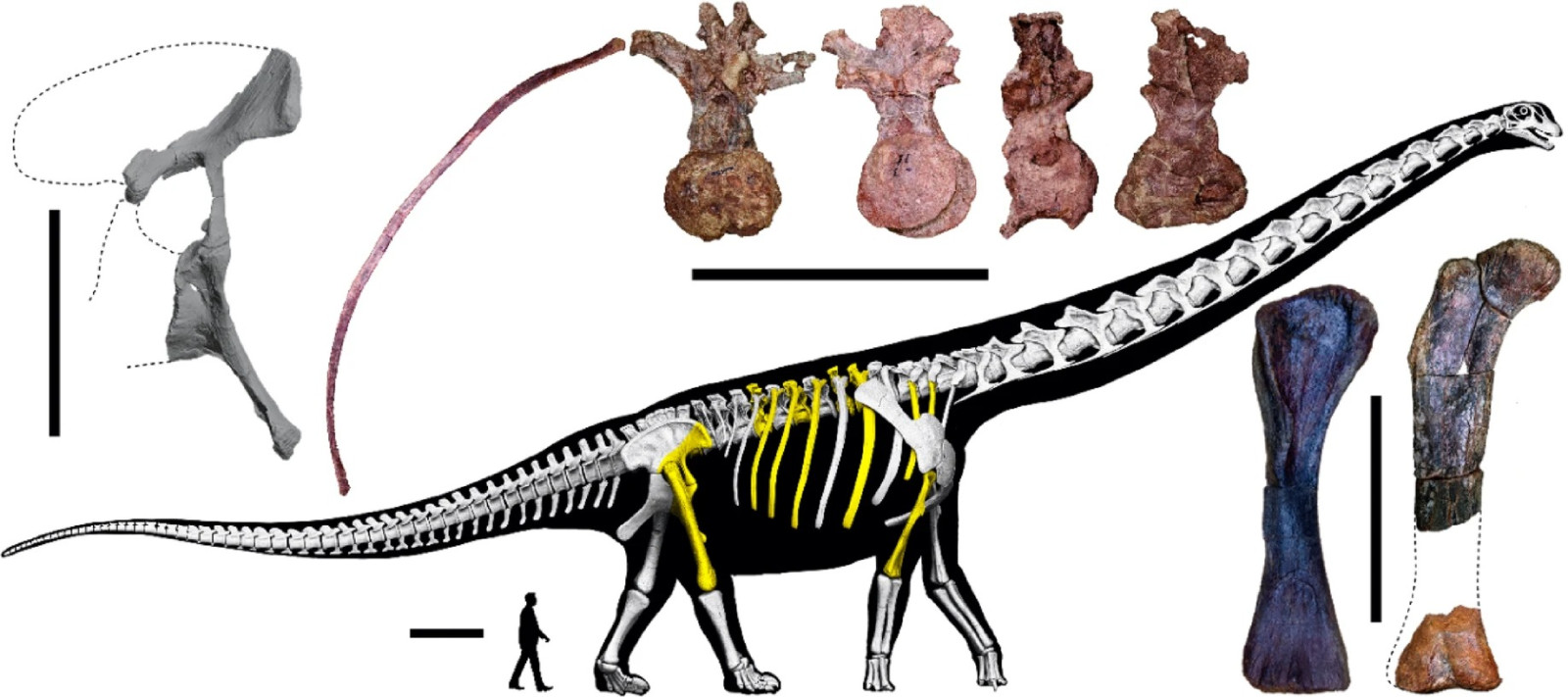
The research team named the dinosaur Nagatitan chaiyaphumensis, merging the discovery location’s name with “Naga,” a mythological serpent figure. This name aptly reflects the dinosaur’s elongated, snake-like body, a common trait of sauropods.
Structural Features of a Colossal Herbivore
Nagatitan is categorized within the sauropod subgroup somphospondyli, characterized by long front limbs and a broad stance supporting their immense bulk. Paleontologist Paul Upchurch from University College London highlighted that although these traits may not be immediately obvious, they play a crucial role in understanding sauropod evolution.
A standout feature is the dinosaur’s right forelimb, noticeably longer than those of other titanic species such as Patagotitan and Dreadnoughtus. Despite this, the latter South American giants were larger overall, hitting weights of approximately 60 and 50 tons respectively. This places Nagatitan as large but not quite as massive.
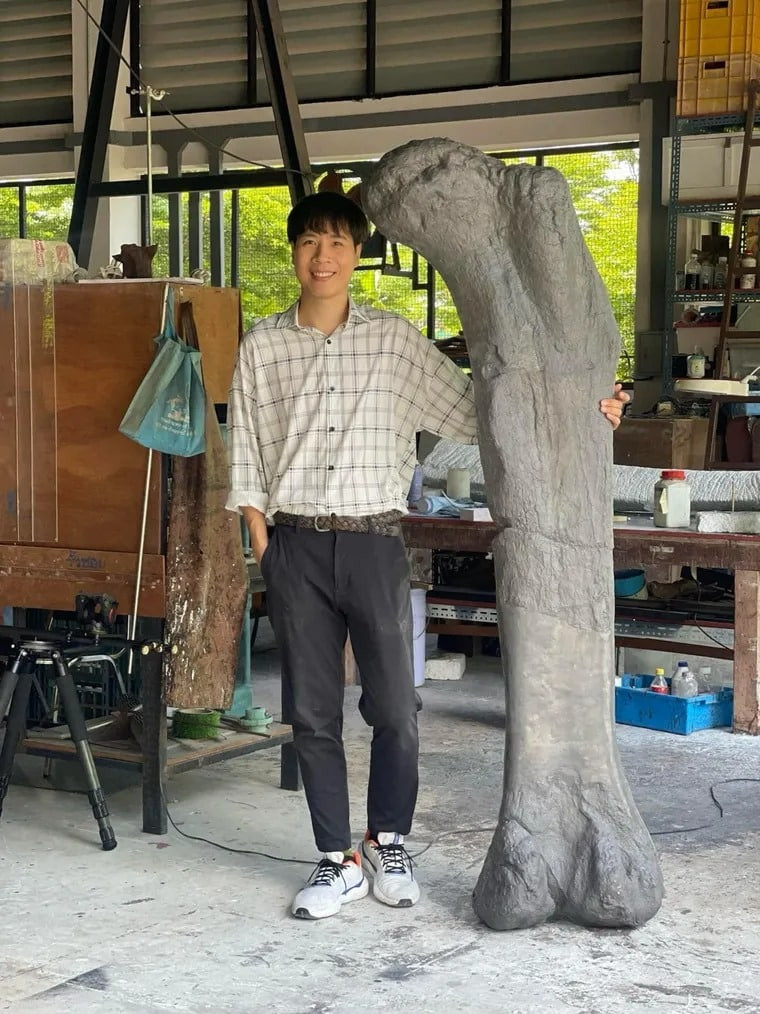
Scientists emphasize that this is the most complete sauropod specimen found within the Khok Kruat Formation, a significant step forward since previous discoveries in Thailand mostly consisted of fragmentary bones, which made full reconstructions difficult.
Ecology and Classification of a Prehistoric Giant
During the early Cretaceous period, around 113 million years ago, the region now known as Thailand was located closer to the equator, with a warm, arid climate. As detailed in the Scientific Reports paper, much of the habitat consisted of open shrubland rather than dense forests.
This type of environment likely supported large herbivores by providing a variety of plant sources at different heights, from towering trees to low-lying ferns and horsetails. The dinosaurs' movement may have also contributed to maintaining open landscapes by trampling vegetation.
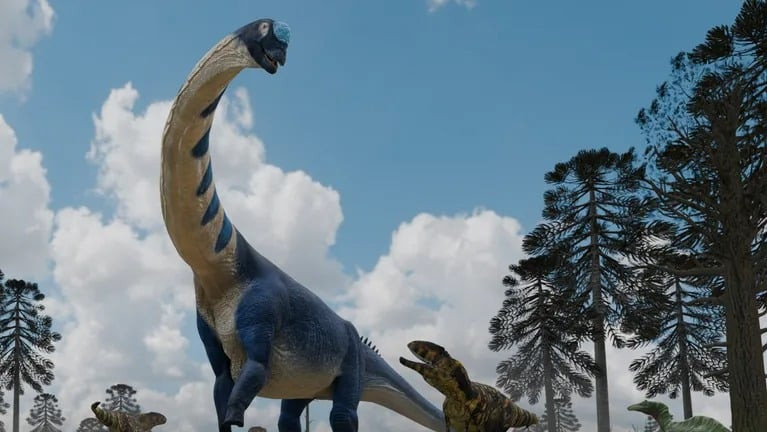
Scientists frequently question how these enormous creatures coped with heat stress. As Upchurch explains, although it seems surprising that giant sauropods thrived in warm climates, their long necks helped dissipate heat, and internal air sacs likely acted as an efficient cooling mechanism during respiration.
“The discovery of Nagatitan and its giant relatives in Asia indicates that these dinosaurs had evolved to such enormous sizes since the early Cretaceous, a successful survival mechanism,” concluded Manitkoon.
- Categories:
- News





0 comments
Sign in to Comment