
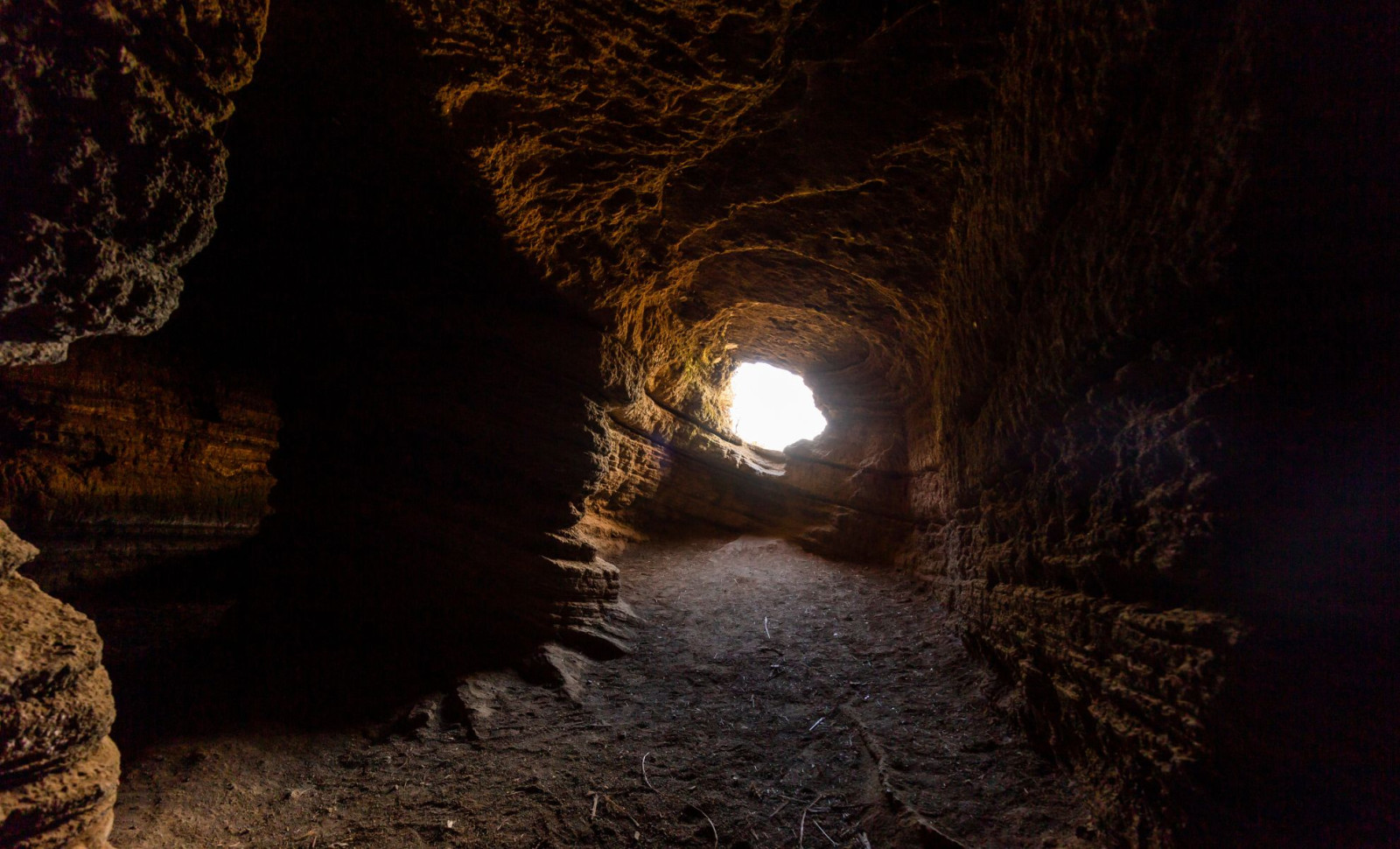
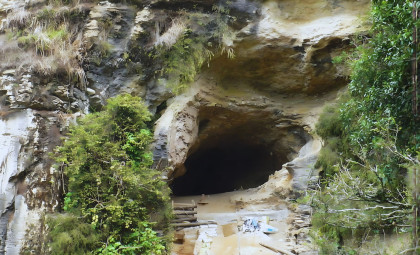
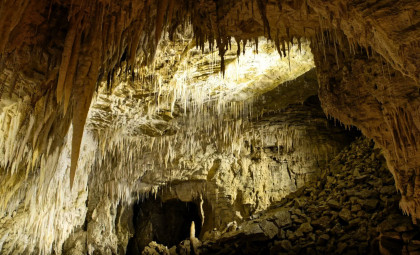
Deep within a cave system on New Zealand’s North Island, scientists have uncovered a collection of fossils that date back over a million years, shedding light on a long-lost forest ecosystem. This finding reveals the presence of birds and amphibians that are now extinct in the region, including species unknown to science until now.
Preserved within layers of sediment inside the cave, these fossils have remained intact thanks to volcanic ash deposits that acted like natural preservatives. This rare geological context enabled researchers to piece together snapshots of ecosystems that once thrived on the North Island but vanished over time.
Until now, the ecological record before human arrival in New Zealand was patchy, with large gaps in the fossil timeline. This new study, published in Alcheringa: An Australasian Journal of Palaeontology, fills one of those gaps by extending scientific understanding of the region’s biodiversity from a period little documented before.

Fossils Preserved by Volcanic Layers
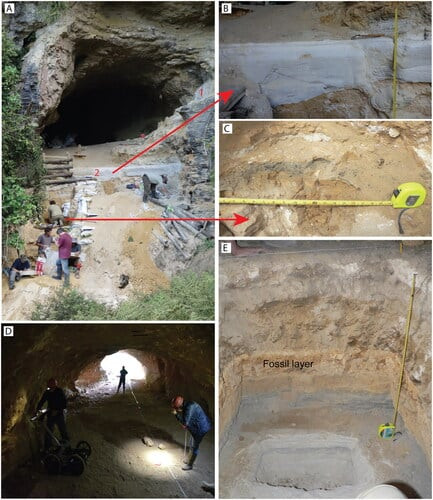
The discovery site lies sandwiched between two layers of volcanic ash, one estimated to be approximately 1.55 million years old, and the other about 1 million years old. These natural barriers effectively captured and preserved bone fragments from birds and frogs dwelling in forests and shrublands during those times.
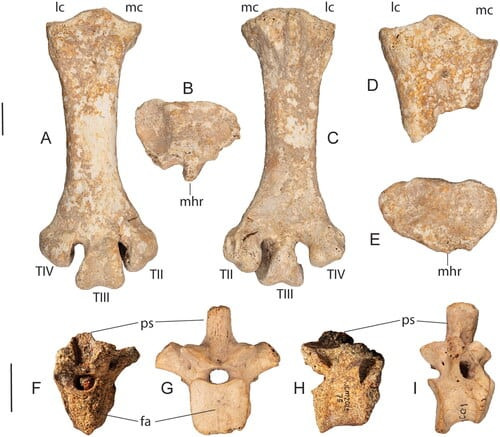
The research identified 12 distinct bird species and four frog species, some completely new to science. This variety suggests a rich and dynamic ecosystem existed during a phase marked by environmental fluctuations on the island. Lead author Trevor Worthy, Associate Professor at Flinders University, commented:
“This is a newly recognized avifauna for New Zealand, one that was replaced by the one humans encountered a million years later.”
Worthy also highlighted that the fossil collection points to ancient forests that once harbored a wide variety of birds, many of which left no direct descendants in today’s fauna.
Species Loss Predates Human Arrival
The study indicates that a significant portion of species extinction in New Zealand happened long before humans arrived around 750 years ago. Scientists estimate that between 33 and 50 percent of the island’s species went extinct during the million years prior to human settlement.
“The shifting forest and shrubland habitats forced a reset of the bird populations,” Scofield said. “We believe this was a major driver for the evolutionary diversification of birds and other fauna in the North Island,” co-author Paul Scofield of Canterbury Museum explained.
This new understanding redefines extinction in New Zealand as a gradual, ongoing process rather than one solely triggered by human presence. Fossil records reveal repeated interruptions in ecological stability, with significant shifts in species composition over time.
The discoveries further clarify how New Zealand’s distinctive wildlife evolved in isolation, influenced by periodic environmental upheavals rather than continuous evolutionary changes.
Bird Species That Shaped Evolution
A particularly exciting find is a newly described ancient parrot, Strigops insulaborealis, considered an early relative of the extant kākāpō. Its limb proportions — including less robust legs than the modern species — raise questions about its flying ability, which is still under review.
The cave also revealed fossils of an ancestor of the modern takahē, enriching our knowledge about the evolution of this large flightless bird. Additionally, scientists uncovered remains of an extinct pigeon related to Australian bronzewing pigeons, pointing to a broader historic distribution of this group.
Trevor Worthy emphasized that this assemblage reveals a far greater diversity among New Zealand’s former forest bird populations than was known before. Scofield remarked:
“This wasn’t a missing chapter in New Zealand’s ancient history,” he said, “it was a missing volume.”
- Categories:
- Science

0 comments
Sign in to Comment