
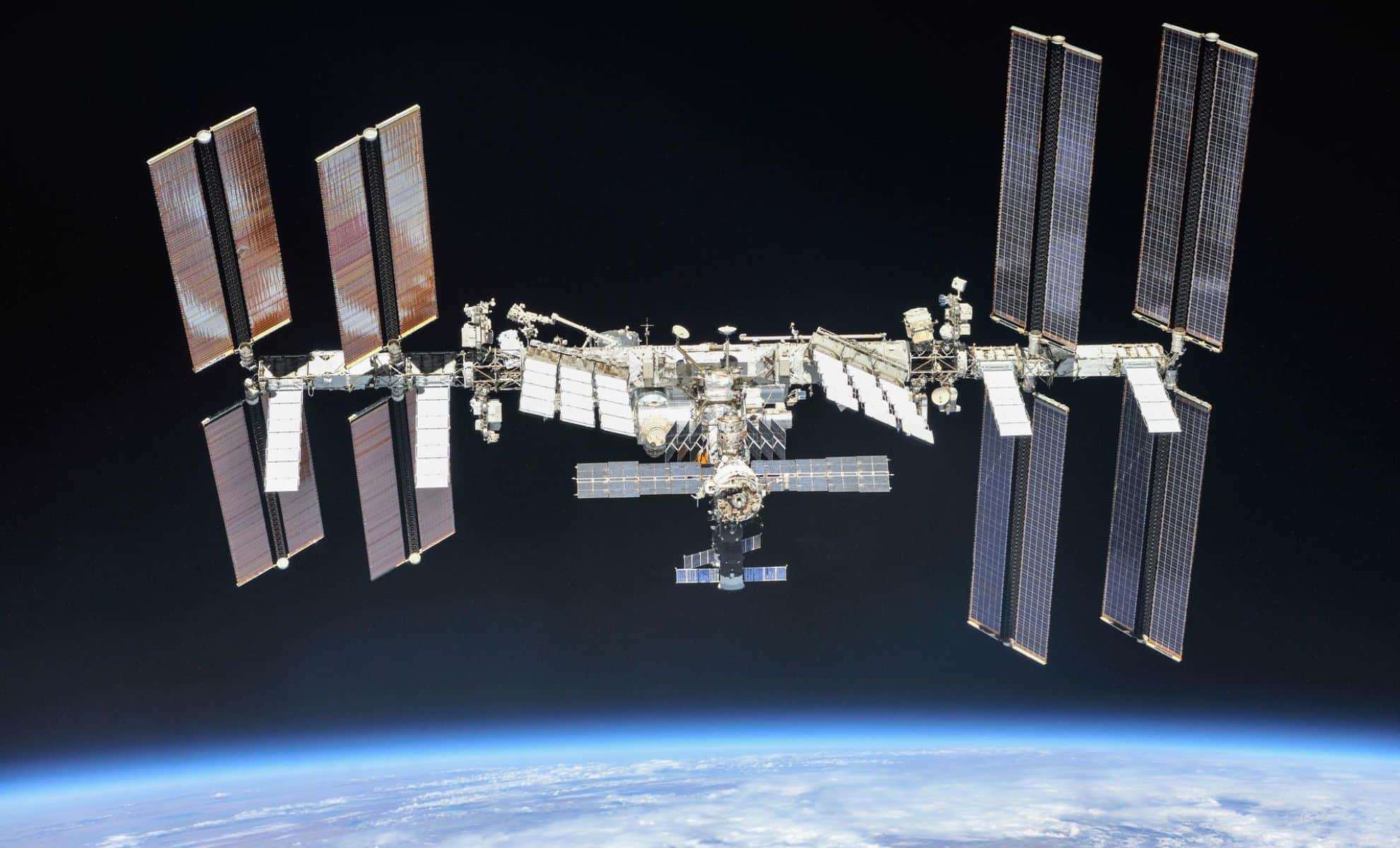
NASA has designated the emergence of cracks and air leaks within the International Space Station’s (ISS) Russian segment as a critical safety risk, based on the latest findings.
This persistent issue, originating from a connecting tunnel in the Russian sector, has escalated since its discovery in 2019, now representing the highest threat level on NASA’s risk scale due to the rapid increase in air leakage and its potential impact on station operations.
Intensifying Air Escape in the Russian Module
Attention is focused on the PrK module, a key passageway in the Russian portion of the station that links the Zvezda module with a spacecraft docking port. While the leak was initially detected in 2019 and considered under control, recent measurements have shown a troubling surge. By February 2024, the air loss reached 2.4 pounds per day, climbing from less than one pound per day the previous year. This deteriorated further by April, with air escaping at a rate of 3.7 pounds daily.

Despite comprehensive examinations by both NASA and Roscosmos teams, the exact source of the leakage remains elusive. Investigations have centered on the integrity of welds inside and outside the module. According to NASA’s Inspector General report, “although the root cause of the leak remains unknown, both agencies have narrowed their focus to internal and external welds.” Maintaining the structural condition of these welds is crucial, as their failure could jeopardize the station’s safety. The persistent rise in leakage has compelled NASA to assign the problem the utmost concern in their risk assessment framework, highlighting its probability and the severity of potential consequences.
Efforts to Control the Leak and Future Risks
To manage the growing leak, NASA and Roscosmos have adopted temporary strategies focusing on restricting air flow from the affected area. One significant step has been routinely closing the hatch to the PrK module, isolating the leak to prevent further impact on the station’s atmosphere. Should the situation worsen, permanently sealing this hatch might become necessary, which would reduce docking capabilities within the Russian segment. With four docking ports present, losing access to one could disrupt planning and execution for crew and cargo missions alike.
The latest Inspector General briefing highlights the seriousness of ongoing leaks in the Service Module Transfer Tunnel, calling them a "top safety risk." While Roscosmos remains optimistic about short-term containment, the agencies have yet to set a definitive threshold for when the conditions would become unsustainable, complicating collaboration. The report further notes that “NASA and Roscosmos have not reached an agreement on the point at which the leak rate is untenable,” signaling unresolved challenges balancing safety with operational needs.
Challenges to the ISS's Longevity Post-2030
The air leakage issues add urgency to NASA’s deliberations over the ISS’s future, which is now more than a quarter-century old since its 1998 launch. The partners agreed to operate the station through 2028, with ongoing discussions about possibly extending this to 2030. However, this extension demands extensive maintenance, increased funding, and heightened attention to structural risks, particularly within the aging Russian segment where leaks continue to develop.
Geopolitical tensions further complicate the outlook. NASA and Roscosmos have a decades-long history of collaboration, yet political conflicts, including Russia’s invasion of Ukraine, strain this partnership. Renewal of agreements beyond 2028 will require navigating these complexities. As noted by NASA’s Inspector General, “extending the ISS past 2030 will require significant funding to operate and maintain the station, acceptance of increased risk stemming from its components and aging structures, and assurances of continued support from NASA’s international partners.” These factors create formidable challenges to both the station’s extension and international cooperation.
Financial and Operational Obstacles Ahead
Beyond engineering and diplomatic hurdles, NASA faces significant financial and logistical challenges in sustaining the ISS. Repairing and maintaining the aging infrastructure demands growing investments amid economic pressures such as rising inflation and ongoing supply chain disruptions.
Contractors delivering critical materials and services confront delays and shortages, complicating repair efforts. The Inspector General cautions that “fixing the issue could be a challenging problem due to ‘supply chain issues’ plaguing NASA’s contractors.” This predicament risks exacerbating structural deterioration if maintenance is delayed. Additionally, NASA’s flat or possibly declining budget poses difficulties in balancing ISS upkeep with funding new missions.
Looking forward, NASA is hopeful that commercial space enterprises like Axiom Space, Blue Origin, and Voyager Space will create replacement platforms as the ISS nears retirement. Yet timelines remain uncertain, especially after Northrop Grumman announced withdrawal from the commercial space station race citing profit concerns. This uncertainty challenges NASA’s plans and might require extending the ISS's active lifespan beyond 2030 until alternative facilities become fully operational.





0 comments
Sign in to Comment