
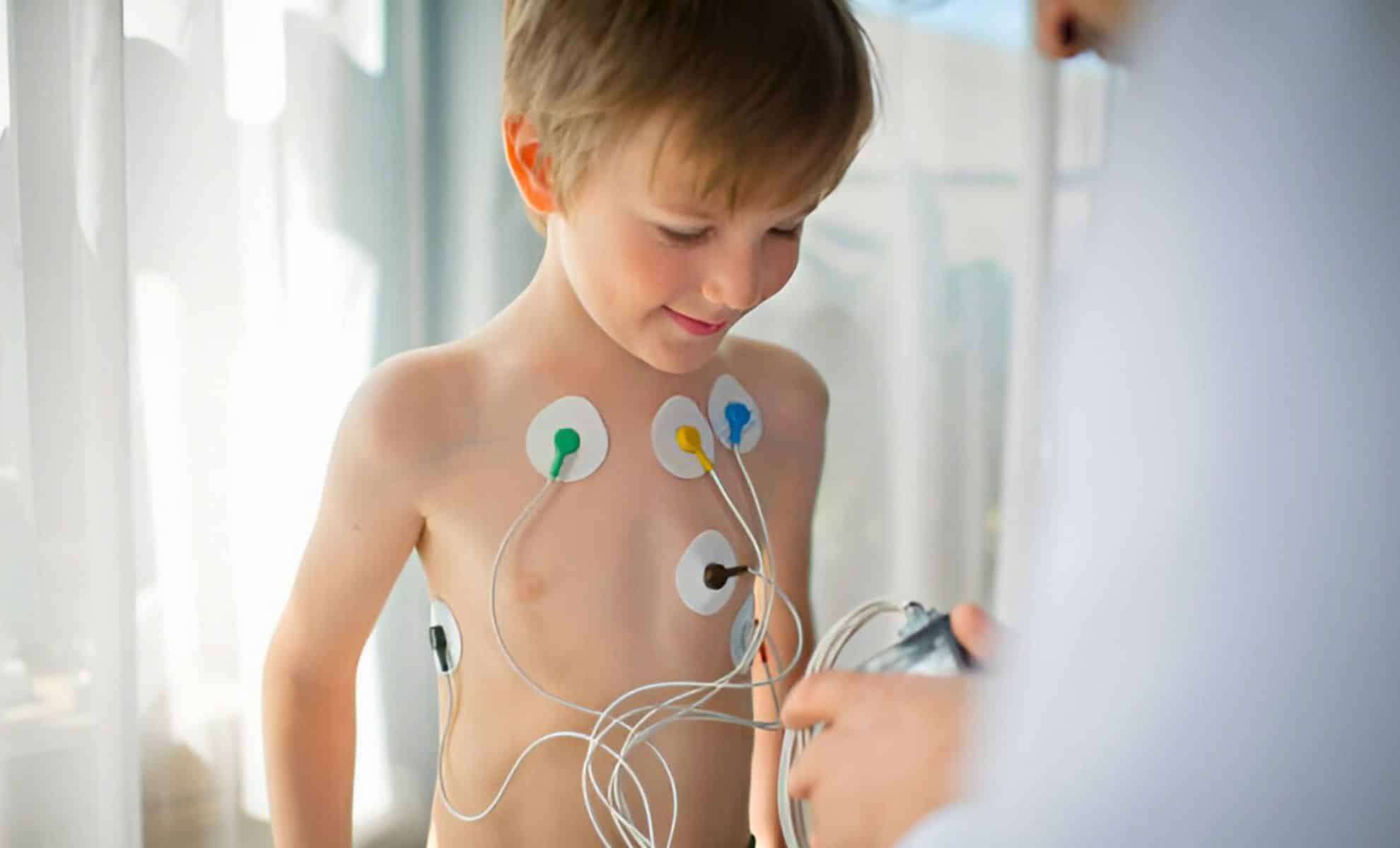
Researchers at the University of Arizona College of Medicine have unveiled a remarkable finding that could transform the approach to heart failure therapies. Led by Dr. Hesham Sadek, this study demonstrates that certain individuals with mechanical heart pumps can regenerate cardiac muscle cells, challenging the long-held belief that the human heart lacks this ability.
Understanding the Burden of Heart Failure
Heart failure is a serious health issue impacting nearly 7 million adults in the United States and accounts for approximately 14% of all deaths. Despite various available treatments, a definitive cure remains elusive.
To support patients with advanced heart failure, artificial devices called left ventricular assist devices (LVADs) are often implanted to assist blood circulation. Until now, these devices were regarded solely as temporary solutions without restorative effects on heart tissue.

That perspective is now changing.
Discovering Unexpected Heart Tissue Regeneration
Dr. Sadek’s international team has overturned the belief that cardiac muscle is unable to renew itself. Their study, published in Circulation, reveals that patients with LVADs exhibit heart muscle cell regeneration rates six times greater than those observed in healthy hearts.
This breakthrough arose from collaboration among specialists from the University of Utah Health, Karolinska Institute, and other institutions. Utilizing carbon dating methods, they identified newly formed cardiac cells, uncovering the heart’s underestimated healing capacity.
“This is the strongest evidence we have, so far, that human heart muscle cells can actually regenerate,” said Dr. Sadek.
The Mechanism Behind Cardiac Regrowth
It has been widely accepted that cardiac cells cease dividing soon after birth, limiting the heart’s ability to repair itself, unlike skeletal muscles that regenerate after injury.
What’s compelling is that the LVAD not only assists blood circulation but also provides the heart with much-needed rest. By reducing the heart’s workload, the device allows cardiac cells time to recover and potentially stimulate renewal.
“The pump pushes blood into the aorta, bypassing the heart. The heart is essentially resting.”
These findings imply that resting the heart might activate its natural ability to regenerate muscle tissue.
A New Frontier in Heart Failure Care
This discovery holds promise for reversing heart failure rather than merely controlling its symptoms. The ability to regrow cardiac muscle could revolutionize treatment strategies for this prevalent and deadly ailment.
However, only about 25% of patients with artificial hearts exhibit this regenerative response, presenting a challenge for researchers aiming to understand the differing outcomes.
Exploring Potential Treatments
Efforts now focus on uncovering the molecular signals that govern the heart’s regenerative process. Unlocking these mechanisms could pave the way for treatments that enable all patients to benefit from muscle regeneration.
“The exciting part now is to determine how we can make everyone a responder, because if you can, you can essentially cure heart failure.”
This research not only aims to enhance existing therapies but also challenges current understanding of heart disease and offers a hopeful outlook for future advancements.
Looking Forward
The path ahead involves identifying and harnessing the mechanisms behind cardiac regeneration to develop treatments capable of curing heart failure rather than simply mitigating it.
Dr. Sadek’s team is spearheading this groundbreaking shift in heart failure management, redefining the limits of cardiac recovery and opening new doors to potentially lifesaving therapies.





0 comments
Sign in to Comment