
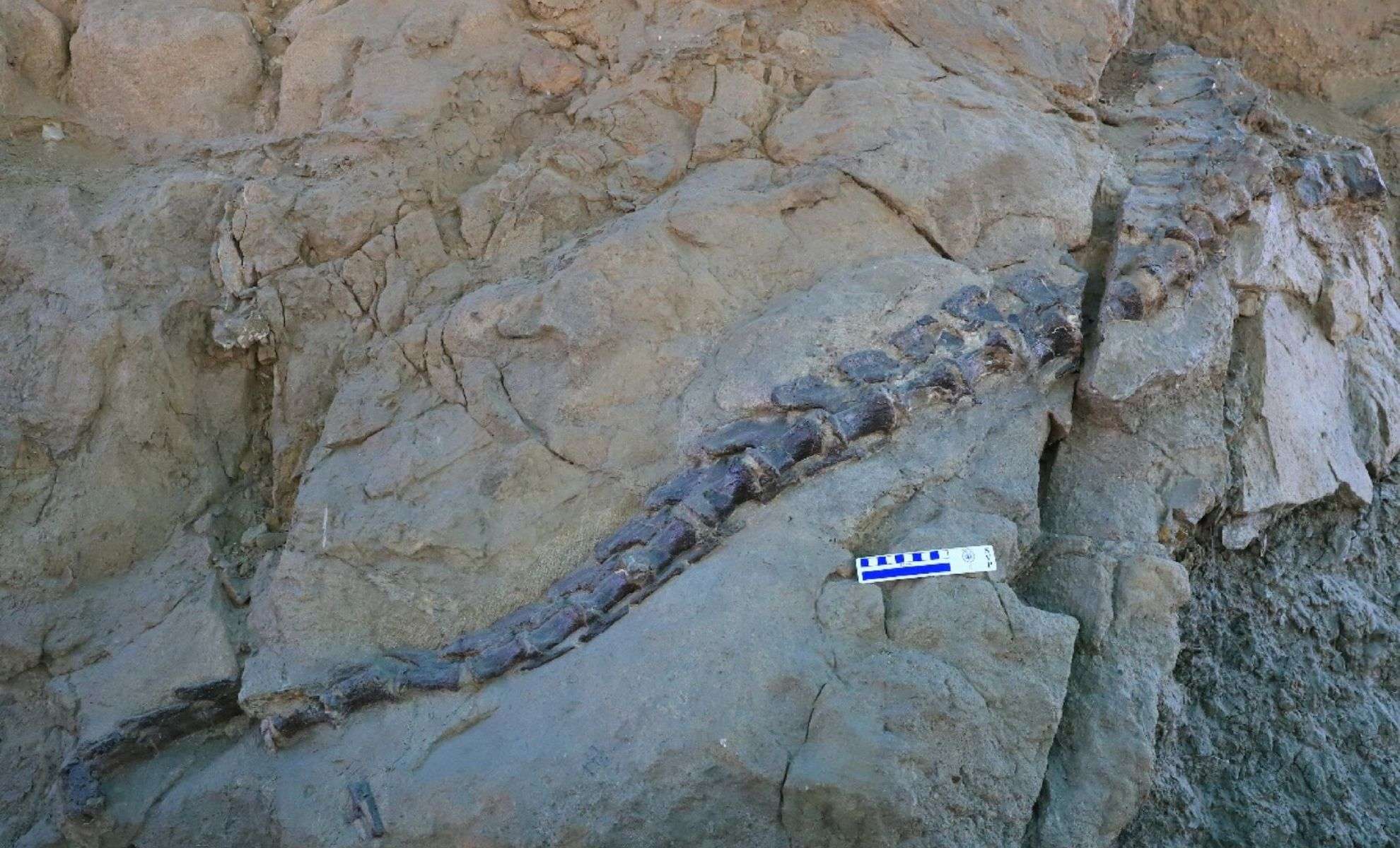
Researchers from China University of Geosciences have announced a remarkable find from the Middle Jurassic era. They have identified a previously unknown sauropod species, Jinchuanloong niedu, based on a mostly intact skull and parts of a skeleton discovered in northwestern China.
Unveiling the Skull of Jinchuanloong niedu
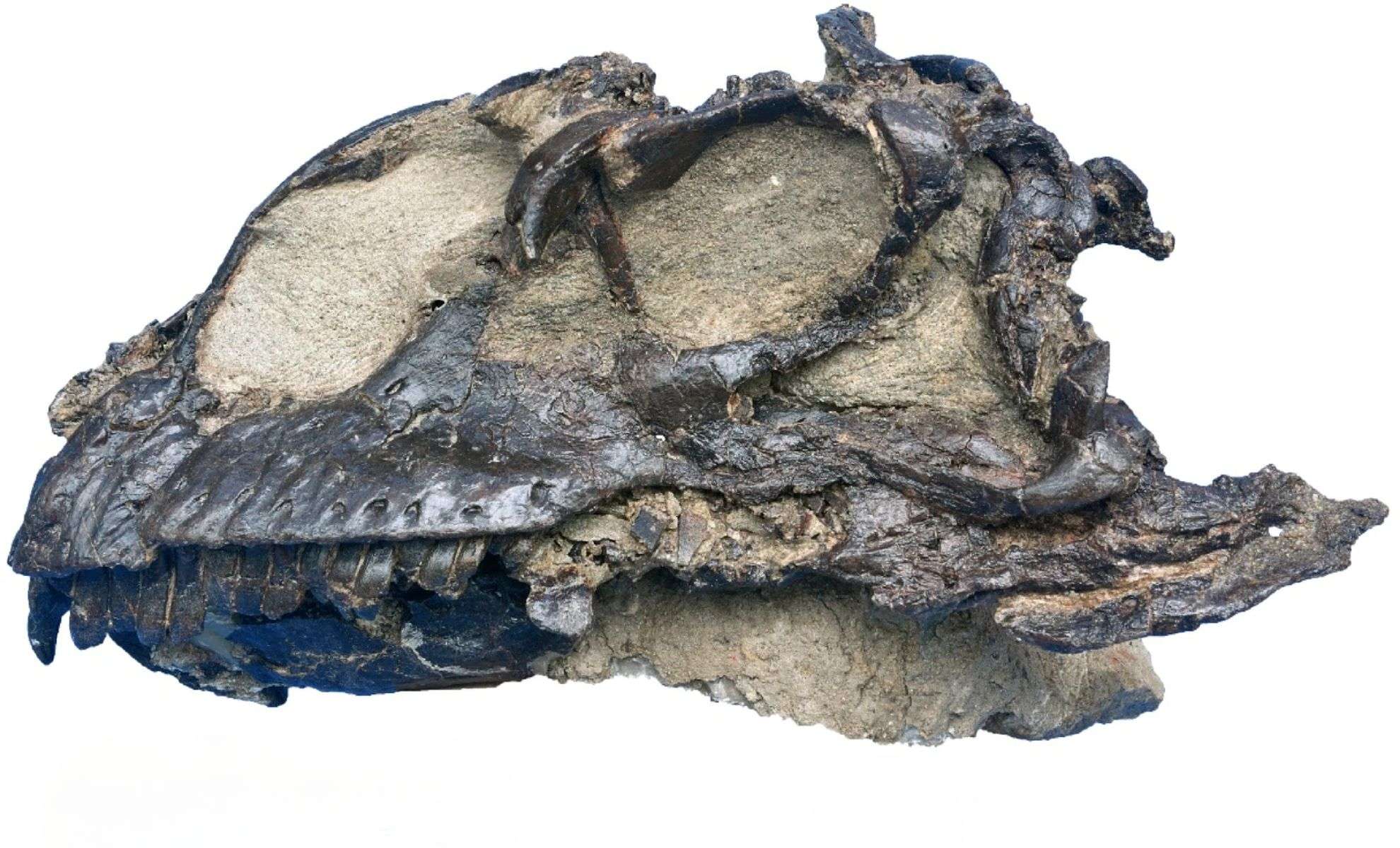
The recent article published in Scientific Reports details that the fossil originated from the lower Xinhe Formation in the Jinchuan District, Gansu Province. Estimated to be around 165 to 168 million years old, the specimen includes a nearly complete skull along with a mandible, five connected cervical vertebrae, and 29 connected tail vertebrae. Experts suggest it represents a juvenile or subadult individual measuring approximately 10 meters in length.
The exceptional preservation of the skull is especially rare among non-neosauropod eusauropods and offers key insights into the anatomy of these prehistoric long-necked giants. Jinchuanloong niedu is classified as a non-neosauropod eusauropod, a group that encompasses most long-neck dinosaurs apart from the earliest ancestors. Dinosaurs in this group represent an important phase of sauropod evolution.

Blending Ancestral and Modern Traits
Examination of Jinchuanloong reveals a striking mixture of primitive and advanced characteristics. The research team compared cranial and skeletal features extensively with other East Asian sauropods. Their findings position Jinchuanloong as a divergent non-neosauropod eusauropod closely related to the clade containing Turiasauria and Neosauropoda. This places the species at a pivotal evolutionary branch, enriching our understanding of Middle Jurassic sauropod development.
Notable cranial details include a unique opening at the base of the maxillary ascending process, a hole on the anterodorsal surface of the prefrontal bone, and a robust postorbital bone distinguished by its height-to-length ratio. Additionally, Jinchuanloong had spoon-shaped maxillary teeth visible from the labial perspective, similar to those found in sauropods like Shunosaurus and Turiasaurus.
Insights into Sauropod Evolution
This significant fossil broadens the known diversity of basal sauropods that thrived during the Middle Jurassic. The well-preserved skull provides a rare glimpse into the evolution of eusauropod skull anatomy, aiding scientists in piecing together the ecological dynamics of these massive dinosaurs. It stands out as an extraordinary advancement in our knowledge.
The publication highlights the crucial role of Jinchuanloong niedu in tracing sauropod evolution during the Middle Jurassic era. This species adds vital data on sauropod diversity in northwest China, offering new perspectives on the ecosystems that supported these long-necked creatures.
Ongoing studies aim to delve deeper into the fossil’s anatomy and behavior to shed further light on the evolutionary pathways of sauropods during this critical period.
“The discovery of Jinchuanloong niedu enriches the diversity of early diverging sauropods and provides additional information to help understand the evolutionary history of sauropods in northwest China,” the authors write.
- Categories:
- News





0 comments
Sign in to Comment