
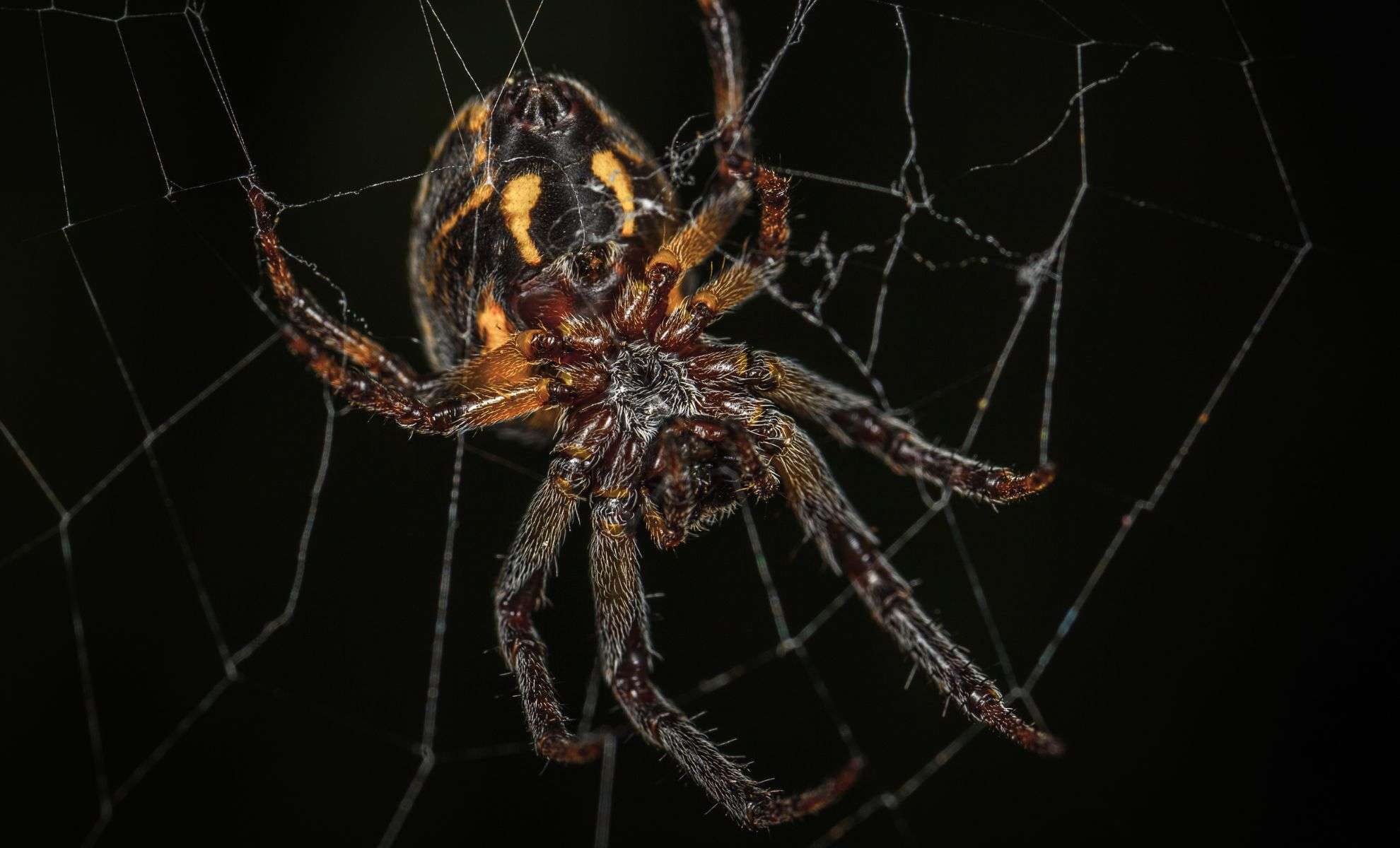
Scientists have identified a previously unknown spider species, Damarchus inazumasp., in the western forests of Thailand. This discovery includes an exceptionally uncommon gynandromorph specimen displaying both male and female characteristics. Detailed in a recent publication featured in the journal Zootaxa, this fascinating find was made by researchers from Chulalongkorn University Museum of Natural History near Nong Rong, Kanchanaburi.
A New Addition to the Damarchus Group
This spider is thought to be part of the Damarchus genus, notable for its burrows shaped like wishbones. These spiders ambush prey that enters their traps. Although this newfound species shares similarities with other Damarchus spiders, its precise classification awaits confirmation via genetic analysis.
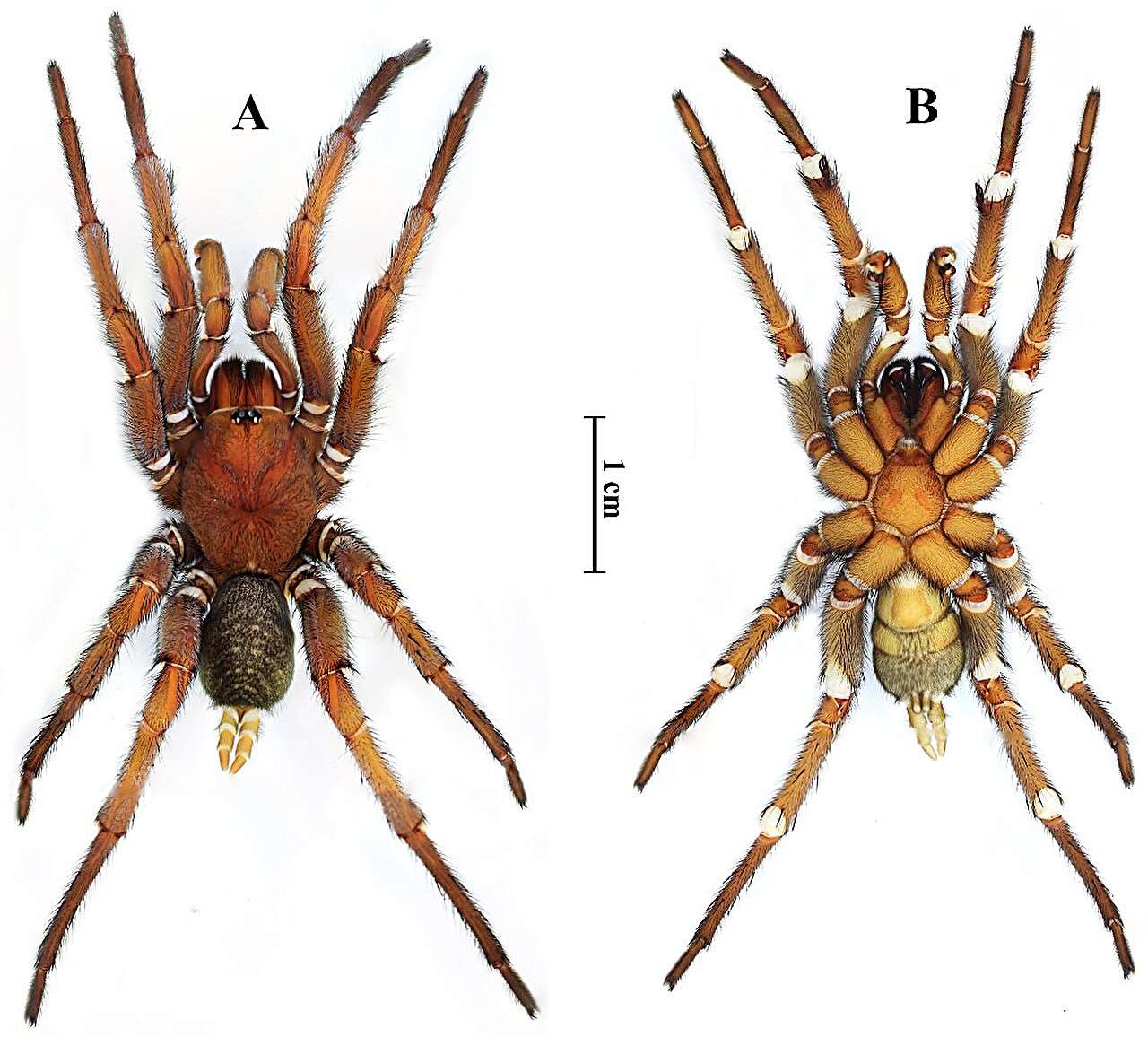
Males measure approximately 0.6 inches and have a grayish appearance coated in an unidentified white substance. When preserved, their coloring shifts to reddish-brown. Females are larger, about one inch long, exhibiting a vivid orange coloration without the white coating found in males.

Gynandromorph Spider Exhibits Both Sexes
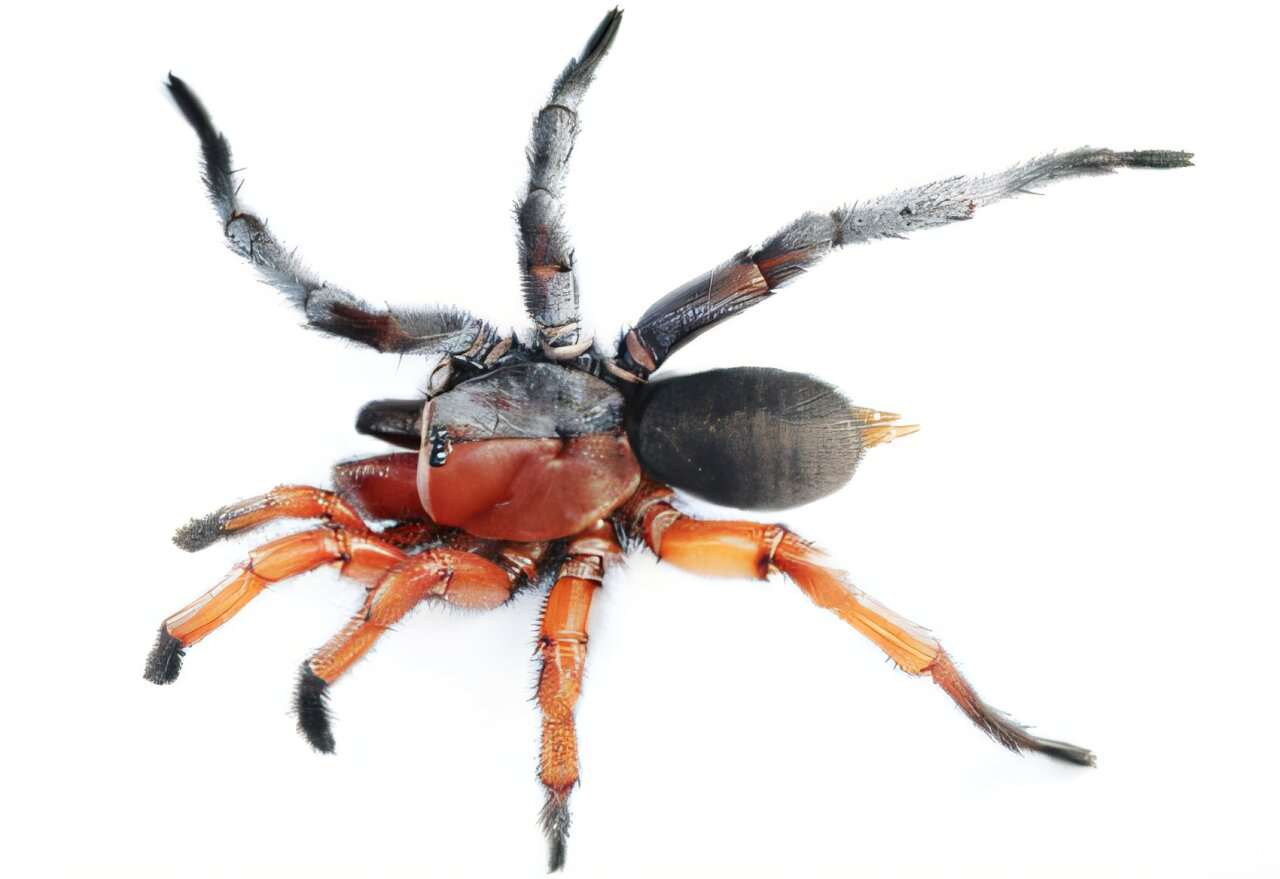
Among the collected samples, a gynandromorph specimen was identified—a rare spider featuring male and female traits on opposite sides of its body. One half displays typical male physical features, while the other shows female traits. This marks the first documented case of gynandromorphism in the Bemmeridae family, home to the Damarchus genus.
Unlike hermaphrodites, which possess both reproductive organs, gynandromorphs show a distinct division of sex characteristics down the body’s midline. Researchers commented:
“Based on reported cases, it can be inferred that our specimen of gynandromorph corresponds similarly to the first case described, characterized by bilateral asymmetry and the manifestation of both sexes on opposite sides.”
Although the underlying mechanism is unclear, one hypothesis by Kaston attributes gynandromorphism to the absence of two or more sexual X chromosomes, potentially caused by chromosomal anomalies linked to natural influences such as nematode infections.
A Name Inspired by Manga
The researchers named the species Damarchus inazumasp. after Inazuma, a character from the manga series One Piece, who is known for switching between male and female forms. The team explained:
“The Inazuma style is characterized by bilateral asymmetry, presenting distinct coloration with orange on the left side and white on the right side. This color arrangement closely mirrors the sexual dimorphism observed in this species, with males exhibiting white coloration and females displaying orange.”
Ongoing research aims to better understand this rare intersex condition, shedding light on its causes both within this species and in the broader context of gynandromorphism in nature.
- Categories:
- News












0 comments
Sign in to Comment