
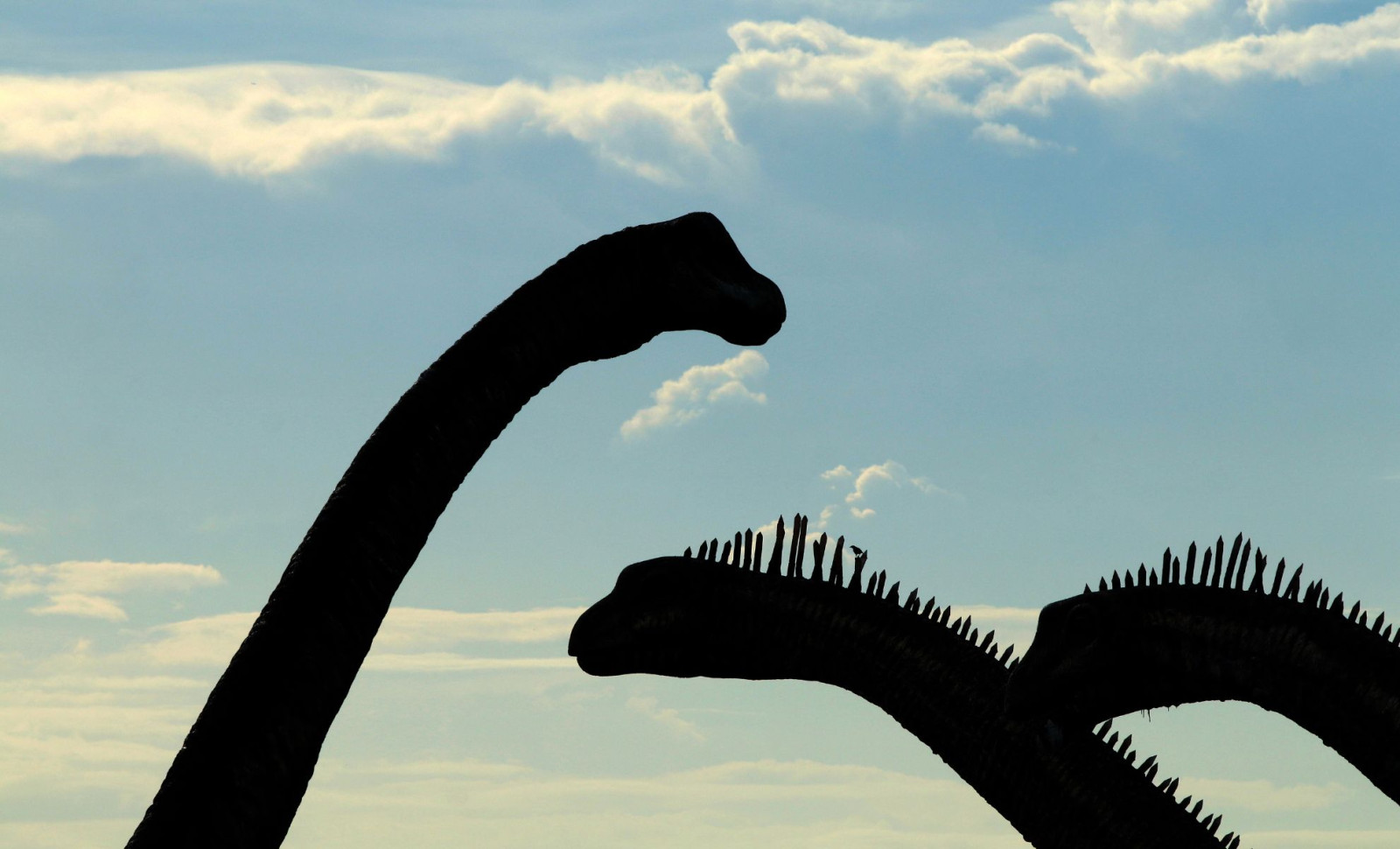
A recent investigation by the University of Liverpool reveals the evolutionary transformation of sauropod dinosaurs, which evolved from small, tail-balanced bipeds into enormous, front-weighted quadrupeds bearing extraordinarily long necks. Utilizing advanced 3D computational models, scientists tracked alterations in body shape, scale, and mass distribution through time, unveiling a consistent evolutionary pattern.
Under the guidance of Dr. Karl Bates from the Department of Musculoskeletal Biology and published in Royal Society Open Science, this research addresses a previously underexamined aspect of sauropods: despite their iconic thick legs, lengthy tails, and gigantic size, the origins of their unique body architecture have remained poorly understood.
Primitive Sauropods Exhibited Tail-Balanced Upright Postures
The early ancestors of sauropods were smaller bipedal creatures with compact chests, abbreviated forelimbs, and elongated tails that served as balance aids. According to Dr. Bates, such traits meant their mass center was located near the hips, suitable for bipedal locomotion.

The University of Liverpool's official report notes that over time, sauropods developed expanded chests and longer forelimbs, with their necks lengthening at an accelerated pace. This anatomical shift caused a redistribution of weight, moving it forward from the tail area.
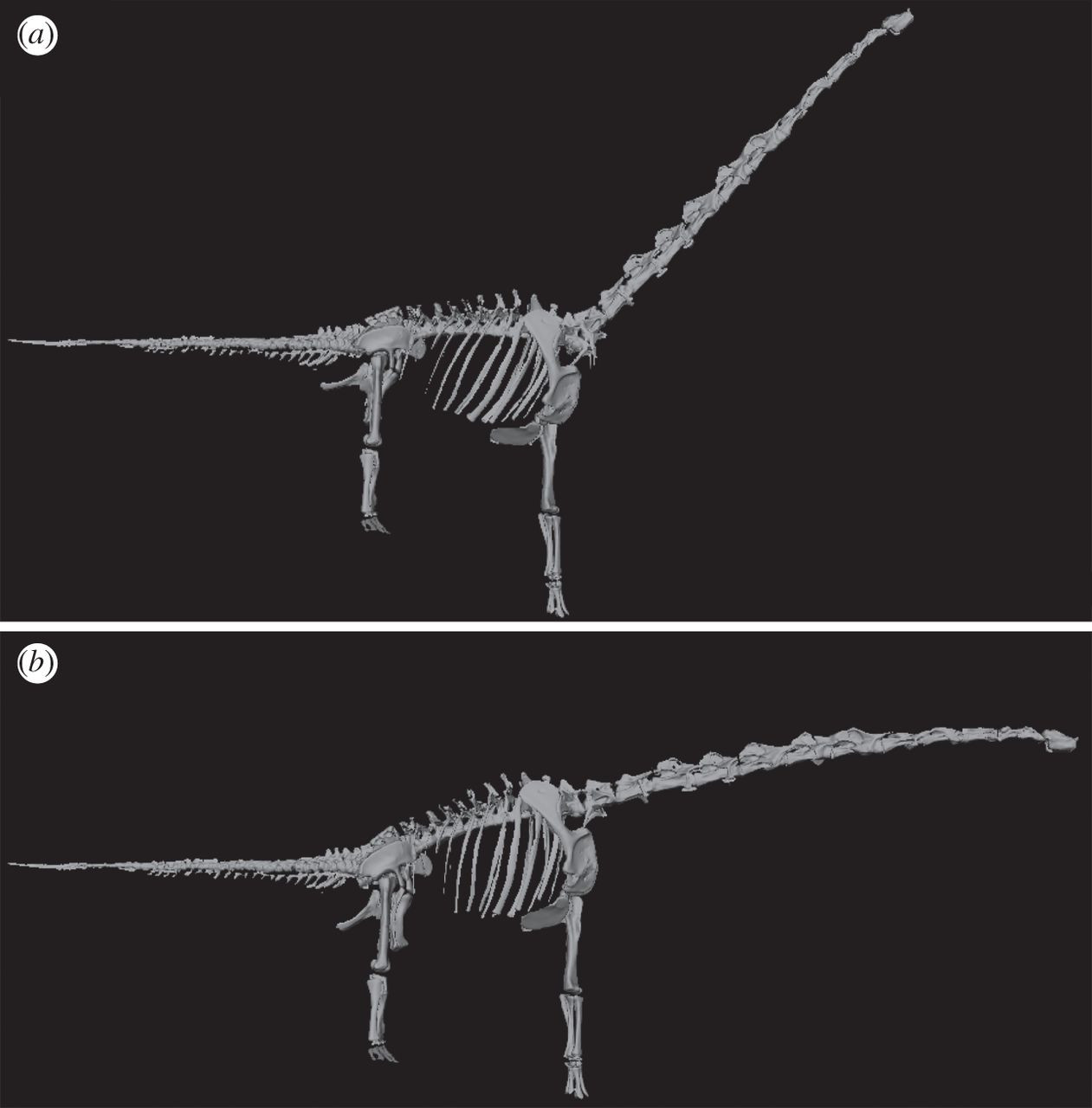
By examining these models, the team demonstrated how such morphological changes gave rise to fully quadrupedal organisms like Diplodocus, which depended on all four legs for support.
Exceptional Growth in Titanosaurs
In the Cretaceous era, earlier sauropod groups waned and were succeeded by the emergence of the titanosaurs, including some of the largest terrestrial vertebrates ever found, like Argentinosaurus and Dreadnoughtus.
The research paper revealed that titanosaurs not only grew significantly larger but intensified the trend of shifting mass toward the front. Their necks grew to remarkable lengths, further shifting their center of gravity forward.
“As a result of devising these models,” said Dr. Bates, “ we were able to ascertain that the relative size of sauropods’ necks increased gradually over time, leading to animals that were increasingly more front-heavy relative to their ancestors.”
Dr. Philip Mannion from Imperial College London, a co-author of the research, noted:
“These innovations in body shape might have been key to the success of titanosaurs, which were the only sauropod dinosaurs to survive until the end-Cretaceous mass extinction, 66 million years ago.”
Modeling Challenges Without Complete Fossil Data
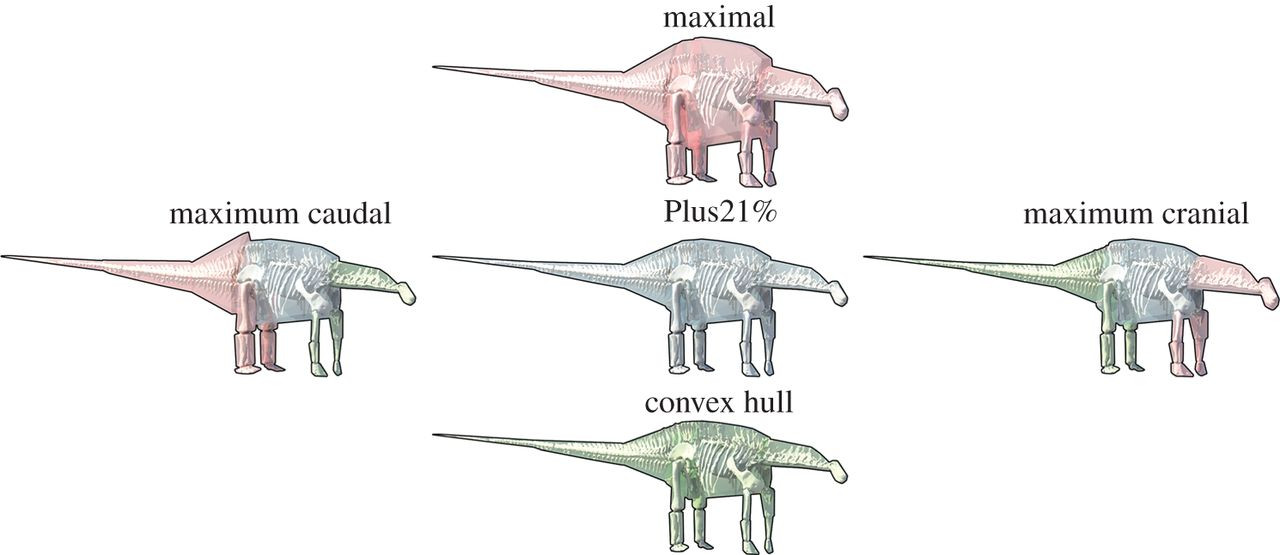
Although skeletal remains offer a solid base for reconstructions, soft tissues present considerable uncertainties. To navigate this, researchers created multiple model variations spanning from lean to heavily built to capture potential body mass differences. Despite these variations, all models consistently aligned with the evolutionary trajectory.
Dr. Vivian Allen of the Royal Veterinary College London, a study contributor, stressed the importance of acknowledging these limitations.
“What’s important to remember about studies like this is that there is a very high degree of uncertainty about exactly how these animals were put together. While we have good skeletons for many of them, it’s difficult to be sure how much meat there was around each of the bones,” he explained.
Even with these discrepancies, the unmistakable trend was that sauropods evolved to have longer necks and a front-loaded body mass distribution.
- Categories:
- Science










0 comments
Sign in to Comment