
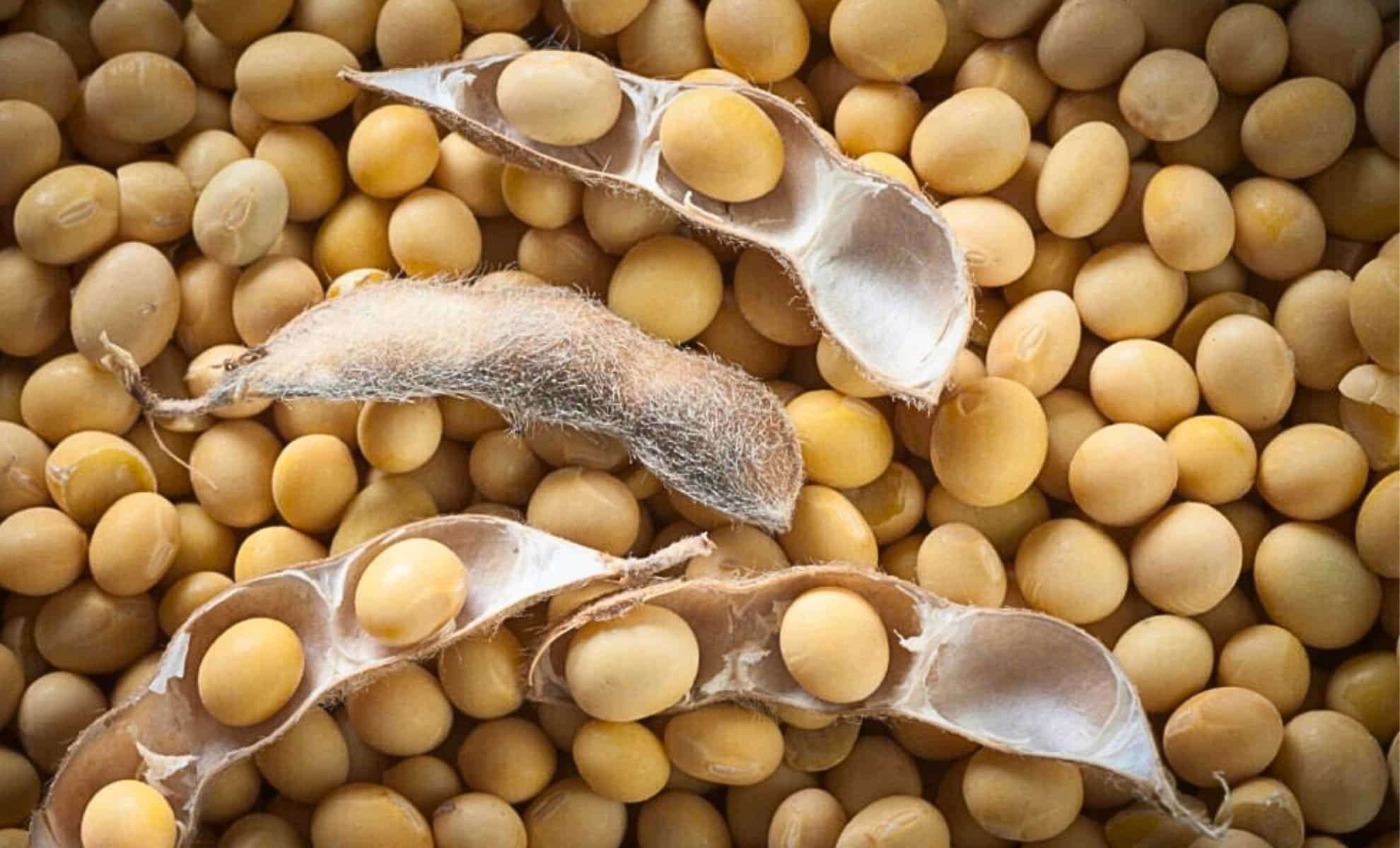
France’s leading food safety authority has issued a significant advisory that might reshape menus in various public settings nationwide. The Agence nationale de sécurité sanitaire de l’alimentation, de l’environnement et du travail (Anses) has expressed worries about the potential health hazards linked to high soy consumption, especially in large-scale food services such as schools, healthcare facilities, and care homes.
Reasons Behind the Renewed Focus on Soy
Soy products including soy milk, tofu, and miso have increasingly gained prominence in Western food culture. Originally integral to many Asian diets, soy appeals particularly to vegetarians and vegans due to its rich plant protein content.
Nonetheless, soy remains a debated ingredient. It contains phytoestrogens, notably isoflavones, natural compounds that exhibit estrogen-like hormonal effects. According to Anses, excessive isoflavone consumption may cause toxic impacts on reproductive health.

The agency’s recent directive calls for a ban on soy products in all public food services, cutting across all age groups. Detailed in its publication dated March 24, 2025, this move aims to prevent overexposure to isoflavones through collective catering.
Institutions That Would Be Impacted
The guidance covers a broad range of establishments, including day-care centers, kindergartens, primary and secondary schools, universities, hospitals, eldercare facilities, holiday camps, and correctional institutions.
Experts referenced in the report warn that significant soy intake might lead to longer menstrual cycles in women and decreased testosterone levels in men, potentially affecting fertility. For children, the concern focuses on the risk of hormonal interference during crucial developmental stages from prolonged isoflavone exposure.
Anses underscores that while isoflavones are found in many plants, soy stands out as the major dietary source due to its particularly high concentration.
Current Status of Soy in Public Food Services
Despite the agency’s cautionary stance, soy usage in mass catering remains fairly limited. The publication 60 Millions de Consommateurs recently highlighted the Syndicat national de la restauration collective’s response, indicating that soy products have already been phased out in nurseries.
In schools, soy appears only sparingly as part of a trial vegetarian menu system shepherded by the Conseil national de la restauration collective, permitting just one soy-based dish among every five vegetarian meals served.
This controlled approach reflects ongoing efforts to moderate soy consumption, though Anses advocates for stricter measures to safeguard against endocrine-related health risks.
Maintaining Plant-Based Nutrition While Limiting Soy
Anses stresses that reducing isoflavone intake is achievable without compromising a balanced, plant-focused diet. One approach involves substituting soy with other legumes such as lentils and beans.
The agency also highlights the variability in isoflavone content among soy products. For instance, some soy snacks like soy crackers can contain isoflavone levels up to 100 times higher than products such as soy sauce, which is fermented and used sparingly.
These findings suggest that both consumers and large-scale food providers can minimize health risks by limiting overall soy intake and selecting products with lower isoflavone content.
- Categories:
- News











0 comments
Sign in to Comment