
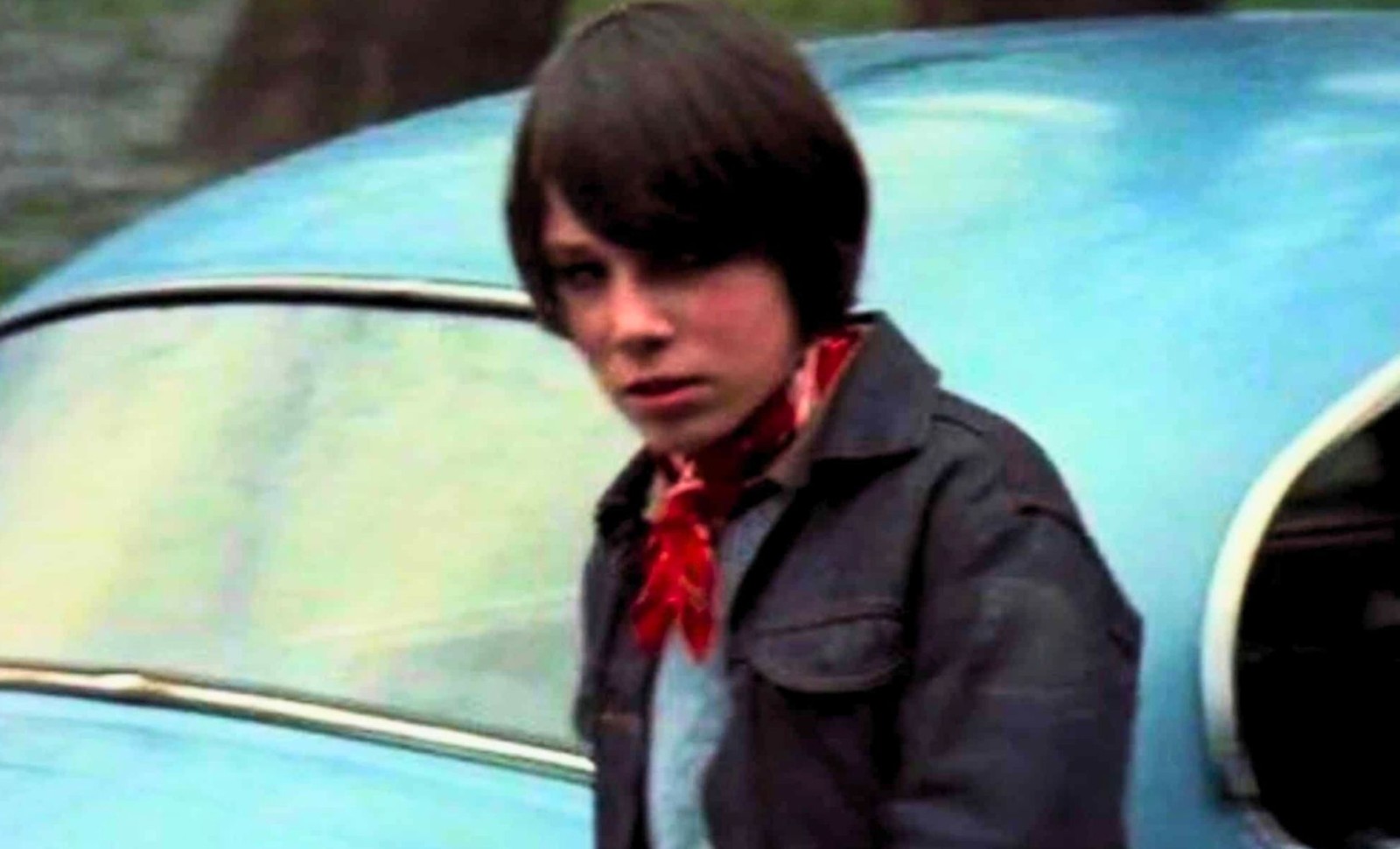
Back in 1971, a quiet 13-year-old made a brief, silent appearance in a film that went on to earn four Academy Award nominations. This fleeting role marked the debut of Daniel Day-Lewis, who would eventually become the sole actor to claim the Best Actor Oscar three times.
Day-Lewis’s filmography is deliberately selective, comprising fewer than 35 films over five decades, but each role was undertaken with painstaking dedication. His portrayals in iconic movies like My Left Foot, Lincoln, and There Will Be Blood (2007) revolutionized cinematic acting. Known for fully immersing himself, he built his own canoes for The Last of the Mohicans and remained confined to a wheelchair off-camera during My Left Foot, refusing to break character.
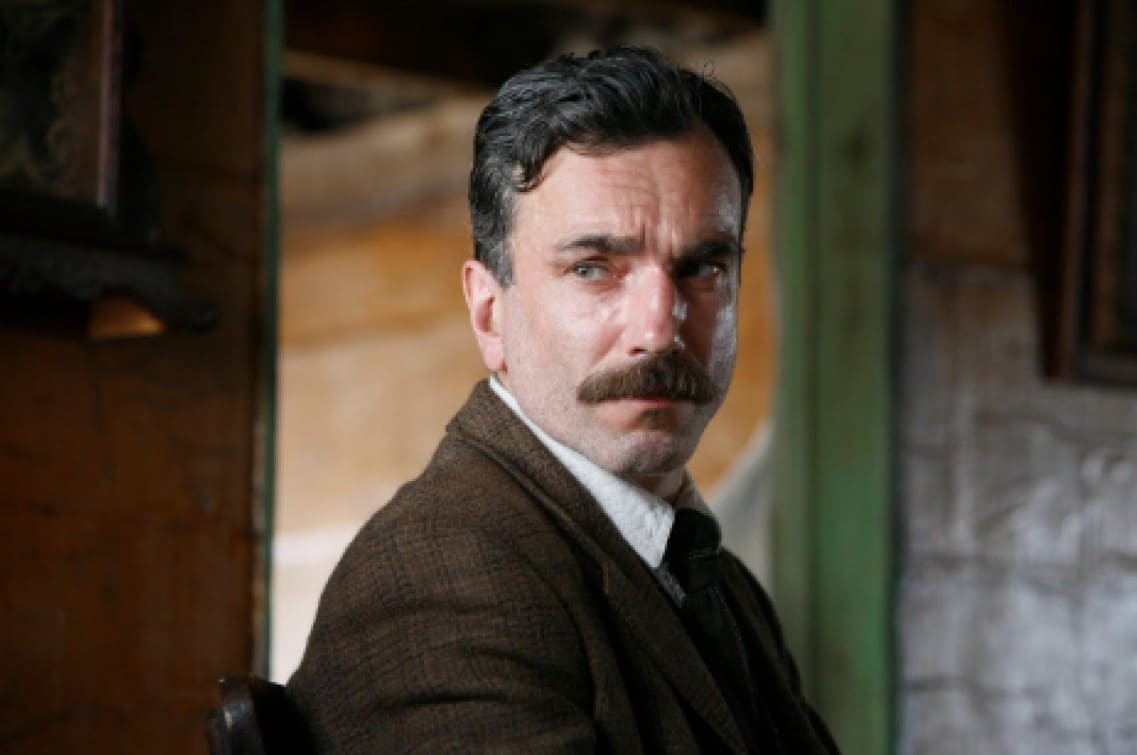
In 2017, after wrapping up Phantom Thread, Day-Lewis declared his retirement. In a seldom-seen conversation with W Magazine, he shared that he felt “compelled to stop,” as the craft no longer fulfilled him the way it once did.

Now, after seven years, he has returned — but this time, the performance is about more than just himself.
Anemone: Exploring Memory and Family Through a Gentle Lens
Day-Lewis’s comeback comes with Anemone, an intimate British drama released by Focus Features, which he co-wrote and which his son, Ronan Day-Lewis, directed. The story tracks a man journeying into northern England's wilds to reconnect with a distant brother. The film unfolds slowly and thoughtfully, favoring mood and atmosphere over action.
According to its IMDb page, the film runs for 125 minutes and has received a mixed response—holding a 5.7 rating from over 4,500 users and a Metascore of 53. Despite striking visuals and a haunting soundtrack, opinions vary widely.
Critics alternately praised its deliberate pacing and criticized its lack of clear direction. One review highlighted the film’s “auditory and visual restraint,” while another dismissed it as “burdened by its own grand ambitions.”
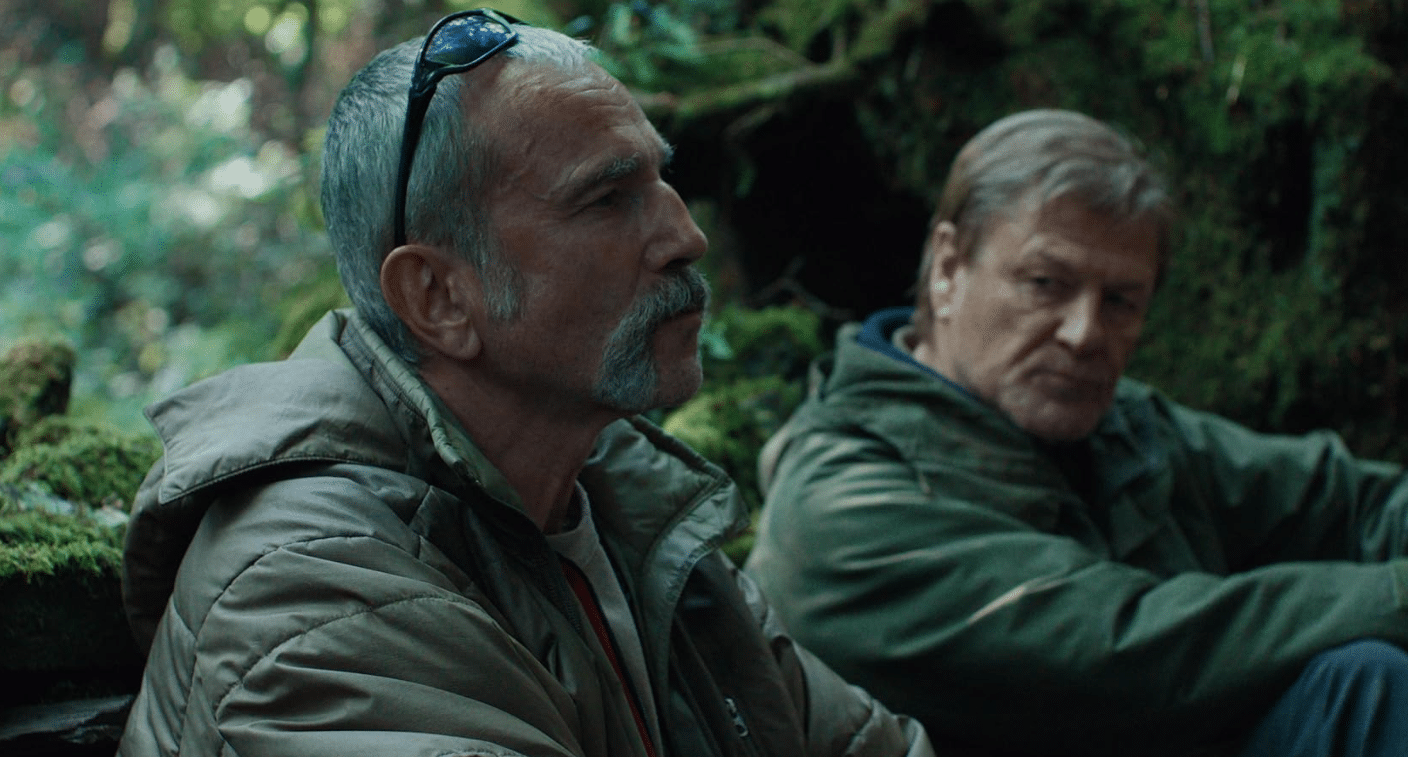
Unsurprisingly, Day-Lewis’s portrayal of Ray, a man weighed down by emotional legacy, has garnered widespread acclaim. His subtle depiction conveys sorrow, remembrance, and moral complexity with quiet gestures and nuanced expressions—an artistry achievable by very few performers.
Yet, the prevailing question surrounding Anemone is not whether Day-Lewis’s talent endures, but whether his style harmonizes with the evolving landscape of modern cinema.
Creative Legacy and Challenges Behind the Camera
Ronan Day-Lewis, responsible for directing and co-writing, brings a painter’s eye to the project, enriching it with vivid color schemes and stunning compositions. However, some critiques point to uneven pacing, a loose narrative structure, and emotional disconnection.
Observers have noted the film’s reliance on style and muted storytelling, sometimes lacking clear narrative guidance. One critic remarked, “Being related doesn’t guarantee an understanding of cinematic storytelling.”

Charges of familial favoritism are challenging to dismiss, especially when the film occasionally resembles an elaborate learning exercise rather than a polished directorial debut. Still, some argue that Anemone shows promise, with its use of space and silence drawing parallels to early works by filmmakers like Lynne Ramsay and Andrew Haigh, whose understated films gained significance over time.
Nonetheless, it remains uncertain if Anemone would have attracted such attention without the presence of Day-Lewis senior—a reality that highlights ongoing industry conversations about access and opportunity.
Is There Room for Slow-Burn Excellence in Today’s Film World?
In his last major role before stepping away, Day-Lewis embodied Reynolds Woodcock in Phantom Thread, a character defined by obsessive craftsmanship—a fitting prelude to his own career pivot.
His return for Anemone doesn’t announce a triumphant comeback or a final bow; instead, it poses an open-ended question. Has contemporary film culture evolved beyond the kind of dedicated, introspective work he champions?
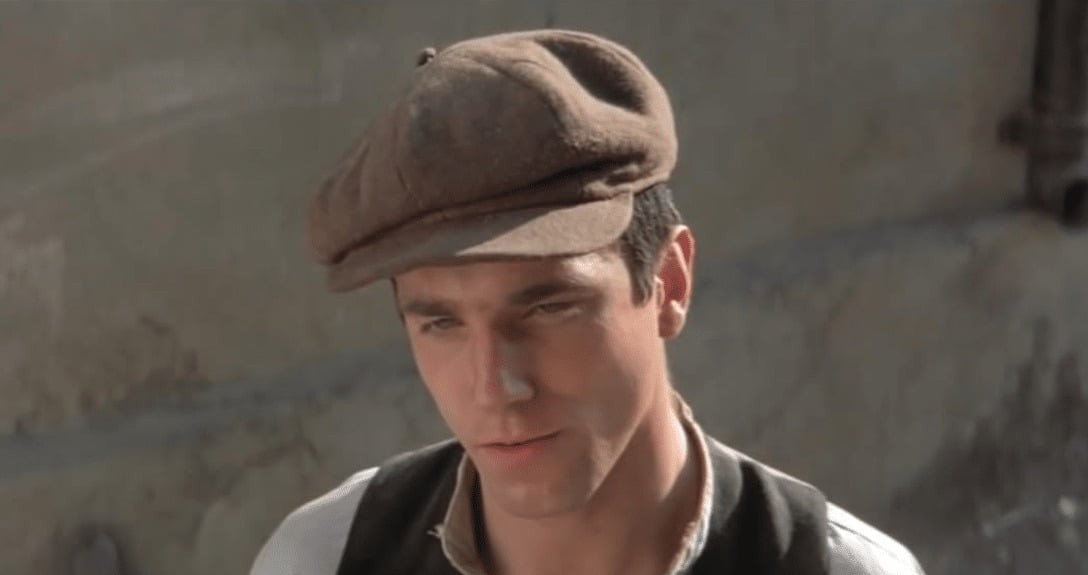
The prestige film era of the late 2000s, during which Day-Lewis helped set the standard for immersive performances, has given way to fast-paced, streaming-led content production. Roles demanding months of actor transformation have become rare, and fewer performers seem willing to make such sacrifices.
Yet Day-Lewis remains a unique force—a master artisan disinterested in prolificacy, celebrity, or trend. Whether Anemone achieves widespread acclaim, the project reveals his enduring commitment to art, choosing instead to engage deeply in a subtle, personal collaboration with his son.
- Categories:
- Trends












0 comments
Sign in to Comment