
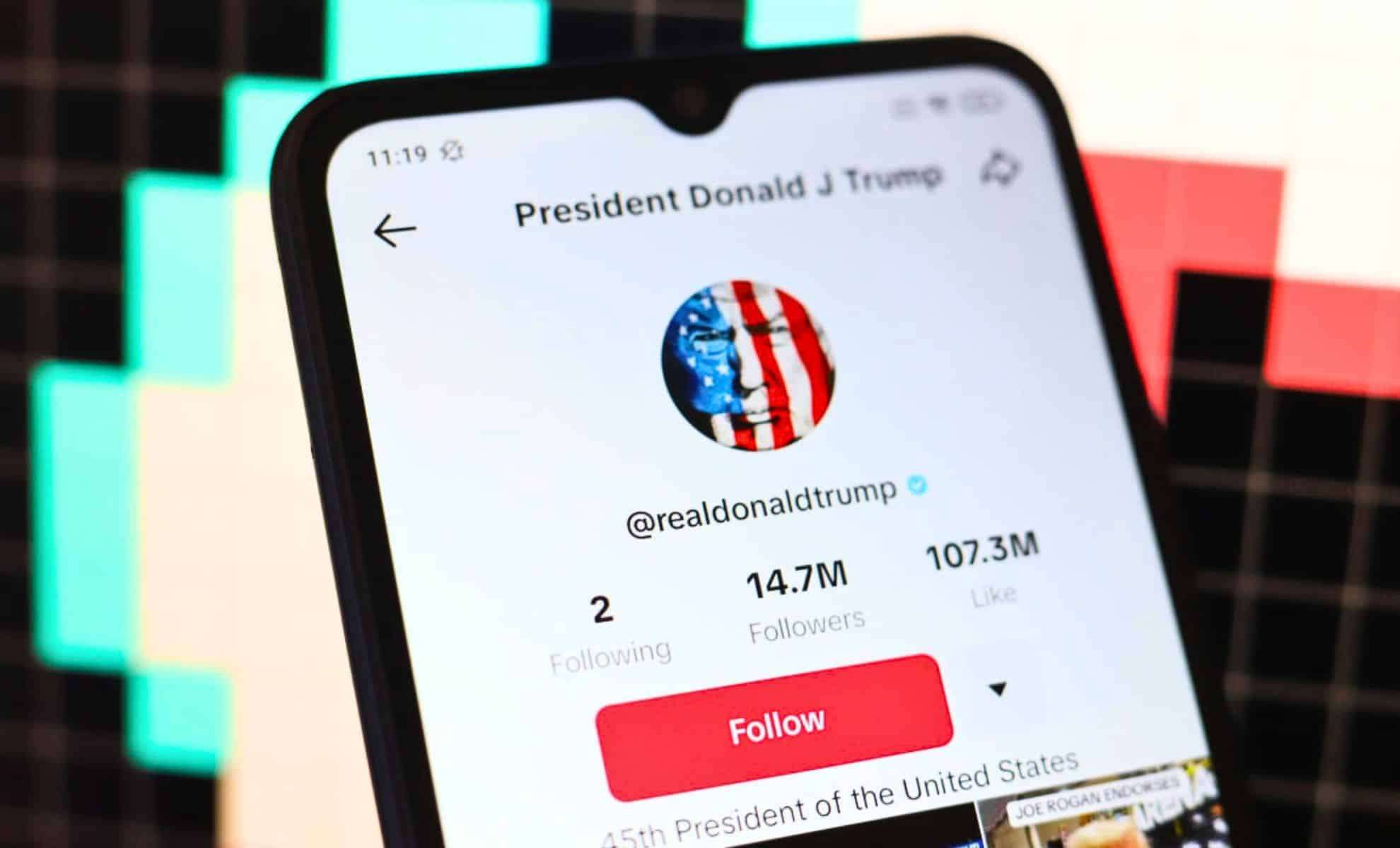
Following a disruption lasting more than 14 hours due to a newly enforced law, TikTok is back online across the United States. This change comes after President-elect Donald Trump announced a temporary pause on the ban to allow officials to negotiate a lasting resolution. The development highlights the complex intersection of technology policy, politics, and security issues.
Sudden and Contentious Service Interruption
On Saturday night, TikTok was removed from Apple and Google app marketplaces, while infrastructure services from firms like Oracle and Akamai were cut off. This resulted from legislation passed in April 2024, prohibiting TikTok from operating in the US unless its Chinese parent, ByteDance, relinquished control over American operations.
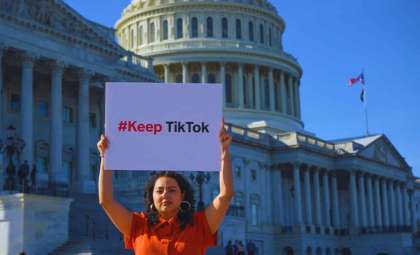
The ban triggered frustration, especially among the platform’s youthful creators who depend on TikTok for income and audiences. TikTok claimed that the restrictions violated users’ free speech rights, but the US Supreme Court ruled unanimously in favor of upholding the law.

Essential Information on the Ban
- April 2024 law: Mandated that ByteDance divest TikTok's US assets or face prohibition.
- Bipartisan legislative backing: Driven by broad concerns over national security.
- Immediate aftermath: TikTok disappeared from app stores and supporting services were suspended.
Trump’s Unexpected Move to Reopen TikTok
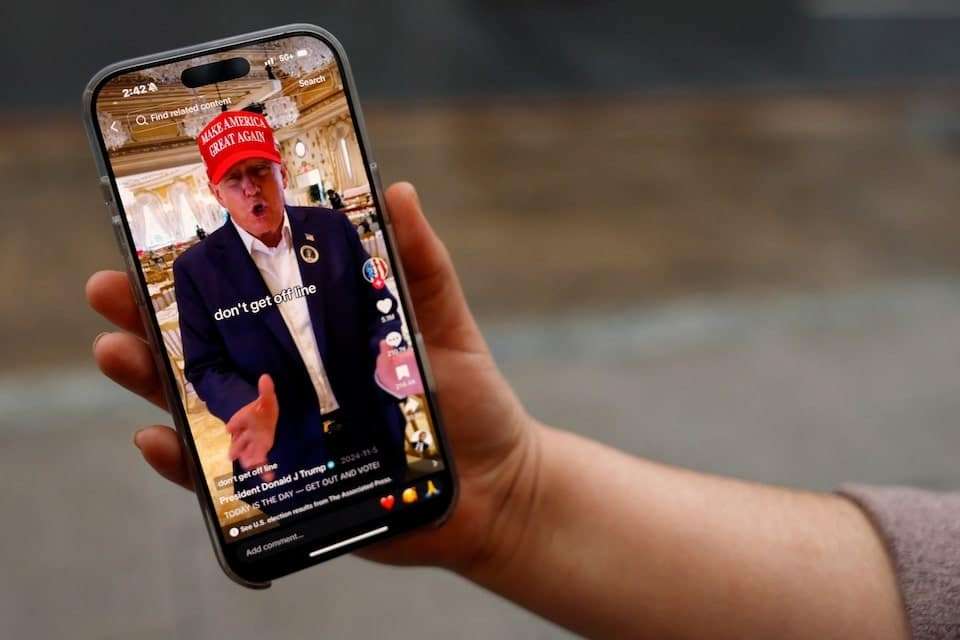
Early Sunday, Donald Trump posted on his platform, Truth Social:
“I’m asking companies not to let TikTok stay dark! I will issue an executive order on Monday to extend the period of time before the law’s prohibitions take effect, so that we can make a deal to protect our national security.”
Following Trump’s declaration, TikTok initiated the restoration of its services. The platform thanked Trump for providing “necessary clarity” and pledged to collaborate toward a permanent agreement.
Technology Partners’ Responses
- Oracle and Akamai: Quickly resumed support after Trump’s announcement.
- Apple and Google: Have not yet returned TikTok to their app stores, restricting downloads and updates.
Ongoing Legal and Political Challenges
Despite the partial reinstatement, concerns linger regarding the legality of Trump’s intervention. Republican Senator Tom Cotton cautioned that companies supporting TikTok prematurely might face grave repercussions:
“Any company that hosts, distributes, or facilitates communist-controlled TikTok could face billions in ruinous liability,” Cotton stated on X (formerly Twitter).
Possible Legal Consequences
- Hefty fines: Penalties could reach up to $5,000 per user for breaches.
- Presidential power: Doubts remain over Trump’s authority to delay an enacted law.
- Future outlook: Anticipated legal disputes and political pushback ahead.
Effect on Users and Content Creators
TikTok remains an essential tool for its 170 million US users. The app is a lifeline for influencers and creators relying on features such as paid memberships and virtual “coins,” both disrupted during the blackout. Uncertainty around TikTok’s status puts their earnings and audience engagement at risk.
Everyday users have also been affected, as removal from app stores blocks new installations and critical updates, vital for fixing bugs and safeguarding functionality. This has heightened dissatisfaction among people who depend on the app for entertainment and social interaction.
The situation also puts TikTok’s technology collaborators in a vulnerable spot. Companies like Oracle and Akamai risk legal exposure, while app store gatekeepers Apple and Google remain hesitant to allow TikTok back for fear of financial penalties.
A Conflict with International Ramifications
This dispute goes beyond American borders, symbolizing a wider struggle between the US and China over control of emerging technologies. The outcome may establish new rules for global tech firms navigating complex regulatory territories.
At present, TikTok and its allied companies face a haze of legal and political doubts. The pressing question is whether it is possible for innovation, security, and freedom of expression to cohabit in today’s tense geopolitical environment.












0 comments
Sign in to Comment