
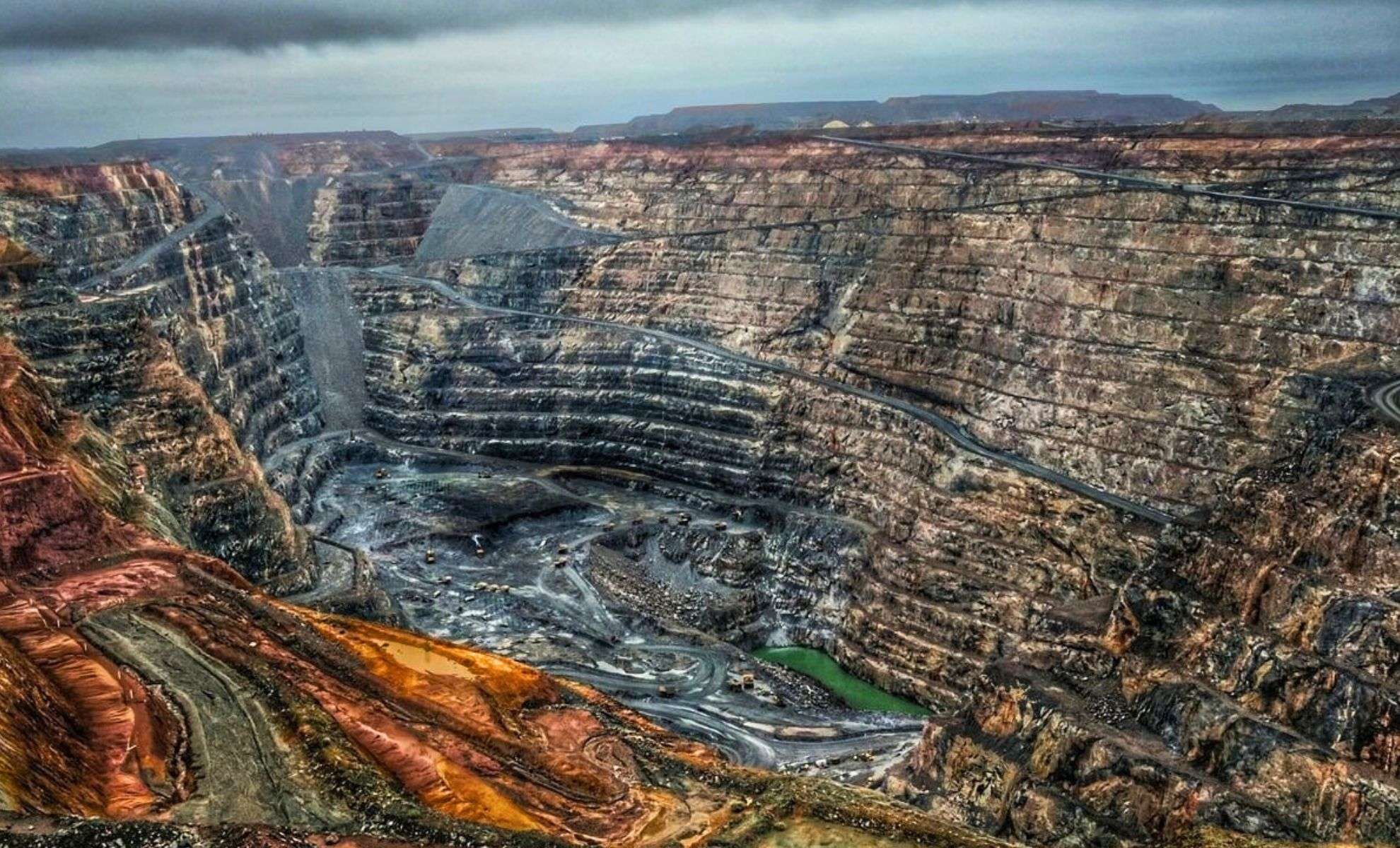
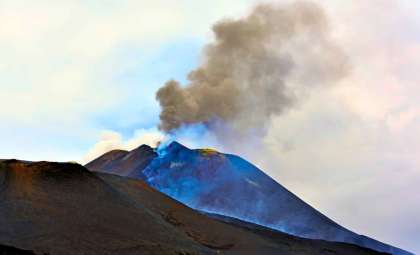
The McDermitt Caldera, a prehistoric supervolcano spanning the border of Nevada and Oregon, may contain what is likely the planet’s most extensive lithium deposit. Estimated to hold between 20 to 40 million metric tons of lithium, this discovery has the potential to revolutionize sectors like renewable energy, electric vehicles (EVs), and international supply chains. Yet, extracting lithium from these volcanic sediments presents complex environmental, political, and ethical dilemmas.
An Enormous Lithium Reservoir Hidden Beneath Ancient Volcanic Rocks
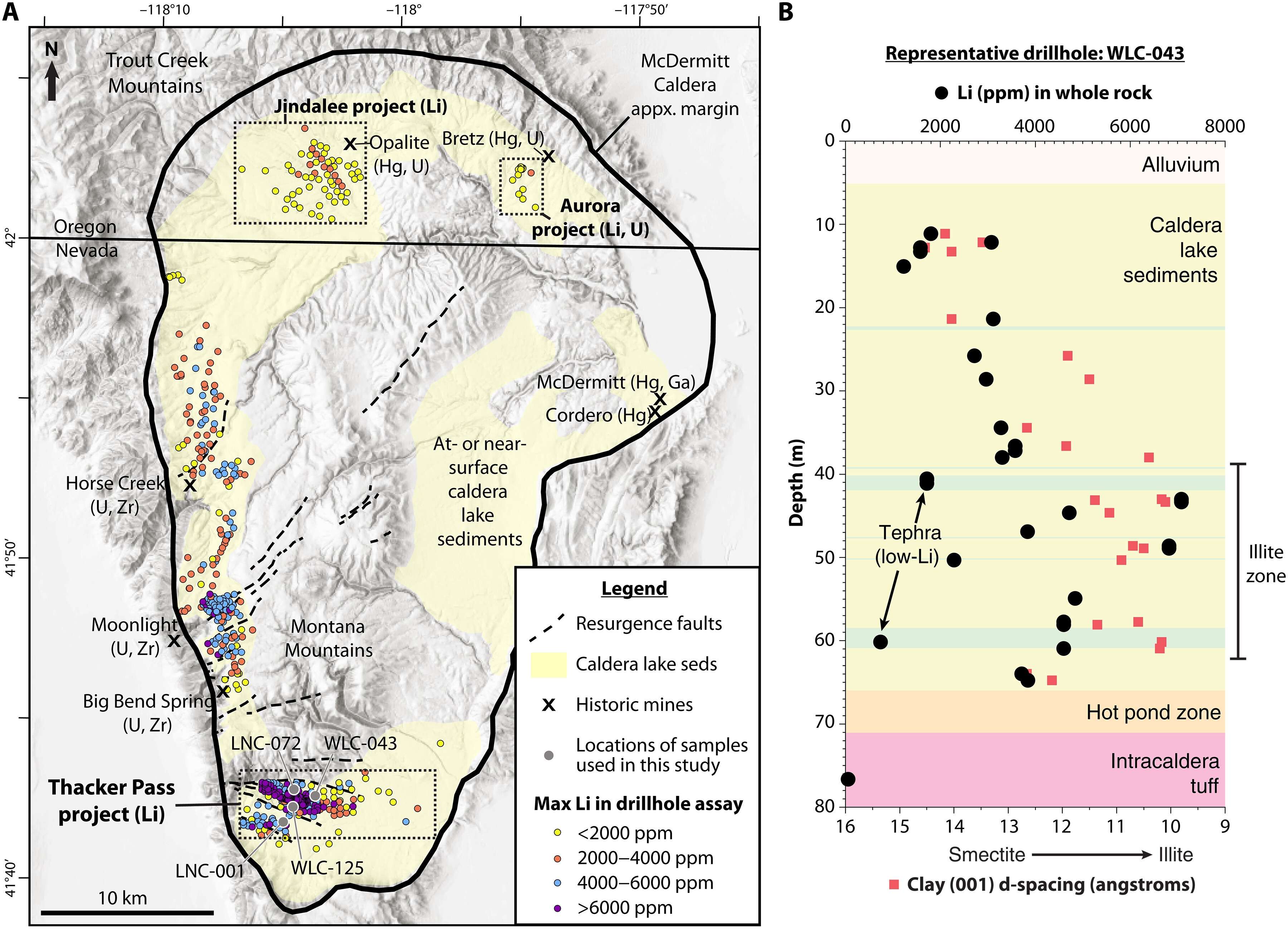
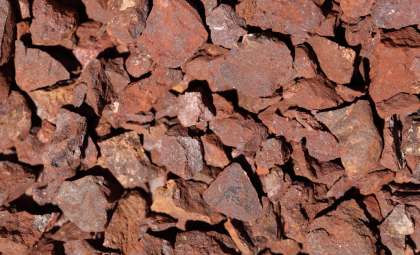
Covering an area approximately 45 kilometers (28 miles) long by 35 kilometers (22 miles) wide, the McDermitt Caldera originated roughly 16.4 million years ago following a massive volcanic eruption. Over millennia, lithium-rich minerals accumulated into clay deposits, transforming into illite, a lithium-containing mineral favored for its relatively easier extraction compared to conventional brine sources found in South America.
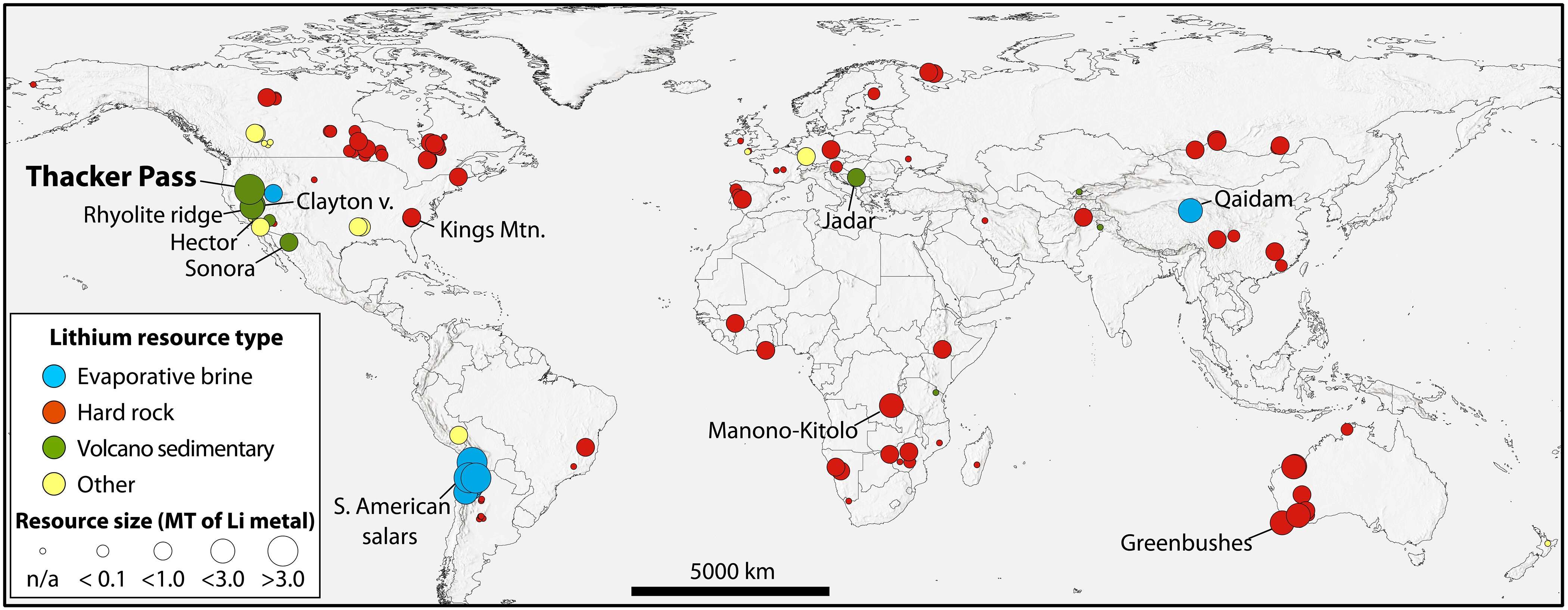
This colossal lithium deposit could outstrip the known reserves of Bolivia’s Salar de Uyuni, once considered the largest at 23 million metric tons. Should these findings hold, the United States could become a dominant player in the lithium market, potentially challenging China’s current supremacy in battery manufacturing.

The research, carried out by teams from Columbia University alongside Lithium Americas Corporation, was published in Science Advances. This study highlights unique geological phenomena responsible for concentrating such expansive lithium deposits in the area.
Potential Implications for the Worldwide Energy Landscape
Due to soaring demand for lithium-ion batteries powering EVs, smartphones, and green energy storage, the lithium market faces unprecedented pressure. Projections indicate global lithium battery consumption might increase five times over by 2030.
Geologist Anouk Borst, commenting to Chemistry World, noted this finding could drastically influence global lithium supply chains, driving down costs and reducing reliance on imports.
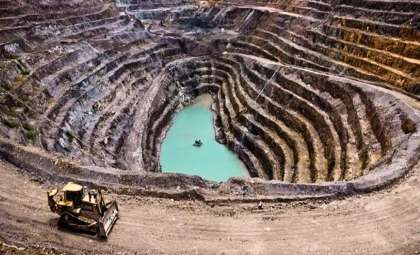
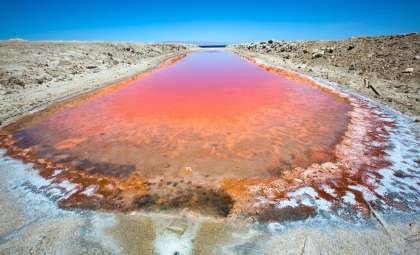
Unlike extraction from brine pools, mining lithium from illite doesn’t rely on extensive evaporation ponds, potentially offering a greener extraction method. Still, questions remain about how responsibly this lithium will be harvested.
Environmental and Indigenous Opposition
Despite its lucrative potential, lithium mining faces significant environmental drawbacks. Extraction demands high water consumption and risks heavy metal pollution, soil damage, and elevated carbon emissions, paradoxically diminishing lithium’s green technology benefits.
Local Indigenous communities have expressed strong resistance to mining activities in the McDermitt Caldera. The People of Red Mountain, a Native American group, denounce the project as a manifestation of “green colonialism”, concerned that their sacred lands, traditional food sources, and hunting areas will be jeopardized.
Although a federal court ruled in favor of mining operations, allowing the project to proceed despite opposition, ongoing legal challenges and activism could still affect its progress.
A Pivotal Moment for Lithium Extraction and Clean Energy Progress
This massive lithium resource discovery on U.S. soil could alter global power dynamics and spark a domestic energy transformation. If developed responsibly, it would lessen dependence on imported lithium, reduce battery costs, and accelerate the transition to electric vehicles.
Still, navigating the tension between financial gains, environmental conservation, and Indigenous rights will be crucial to determining whether this resource becomes an asset or a source of conflict.
Currently, the McDermitt Caldera represents one of the most prominent lithium finds of this era, offering extraordinary promise alongside significant controversy.
- Categories:
- News






0 comments
Sign in to Comment