
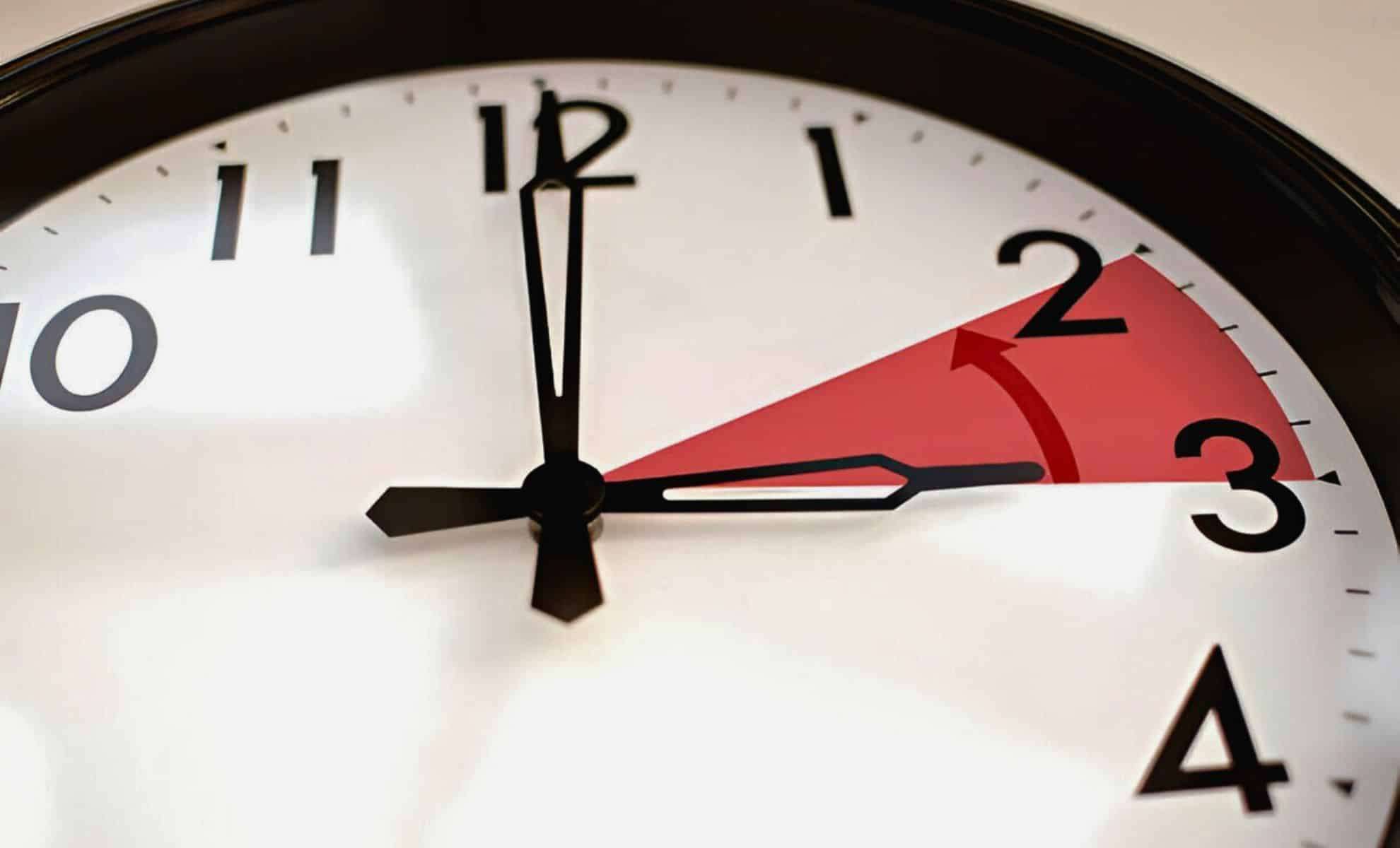
As clocks sprang forward this past weekend, ushering in the annual start of daylight saving time (DST), New York is exploring the possibility of making this change permanent. State Senator Joseph A. Griffo (R-C-Rome) is spearheading efforts to eliminate the twice-yearly time shifts by establishing year-round daylight saving time across New York.
The legislator’s initiative, detailed in Senate Bill S3380, proposes that the state adopt permanent DST. However, federal laws currently restrict states from implementing permanent daylight saving time without congressional consent, posing a significant hurdle.
Why advocate for continuous daylight saving time?
Senator Griffo, together with Assemblyman Angelo Santabarbara, has persistently called for an end to the biannual clock adjustments. Their primary argument centers on widespread public preference for extended evening daylight, a sentiment echoed by numerous surveys highlighting frustration with the current system.

“There’s overwhelming consensus right now, and it’s evident by recent Gallup polls, that the American citizens and residents of our district don’t like the changes twice a year,” Griffo said. “Many people come to me and say we want whatever makes it lighter longer, and that’s daylight saving time, so that’s why we’ve proposed making it permanent.”
Proponents emphasize various advantages to maintaining DST year-round. Research links longer daylight in the evenings to reduced crime rates and safer driving conditions due to improved visibility during high-traffic periods. Additionally, advocates point to possible energy efficiencies stemming from decreased need for artificial lighting during later hours.
Health specialists also endorse this change, noting that better exposure to daylight can alleviate seasonal affective disorder, a form of depression linked to shorter daylight periods in winter months. Extending evening light might help promote improved mental health across the population.
Legal barriers to permanent time changes
Although the proposal has gained support, New York alone lacks the authority to enact year-round DST. Existing federal regulations permit states to opt out of daylight saving time (as seen in Arizona and Hawaii) but prohibit them from permanently observing it without congressional authorization.
To bolster the cause, Senator Griffo is collaborating with representatives from neighboring Northeastern and Mid-Atlantic states, along with Canadian provinces, to create a regional alliance advocating for permanent DST. The collective goal is to encourage federal lawmakers to amend existing statutes.
“If we could all express our interests and desire to have a consistent time, preferably daylight savings time, then maybe the federal government would act,” Griffo stated.
Other states, including New Jersey and Washington, have made similar legislative attempts, but most initiatives have stalled amid federal restrictions like those confronting New York now.
Elon Musk’s recent input fuels the conversation
The debate over the biannual time shifts recently intensified when Elon Musk voiced his opinion on social media. Posting on X, Musk tersely commented, “Looks like people want to abolish the annoying time changes!” This statement reignited public discussion on ending the long-standing tradition.
Given Musk’s impact on technology, energy, and public conversations, his remarks add momentum to the movement for reform. Although he did not detail a policy, his post reflects widespread dissatisfaction with the century-old practice.
Interestingly, the United States briefly tested permanent daylight saving time in 1974 amid an energy crisis. The initiative aimed to cut fuel consumption but produced mixed outcomes.
Some saw declines in energy use, yet many parents and educators raised alarms about dark mornings during winter causing safety concerns for children heading to school. Due to these issues, Congress repealed the year-round DST policy within a year.
Looking ahead
Senate Bill S3380 is currently under consideration by the New York State Senate Judiciary Committee. If passed, implementation still hinges on federal legislation allowing states to adopt permanent daylight saving time.
Meanwhile, New Yorkers and Americans nationwide will continue adjusting clocks twice annually. However, with growing legislative backing and influential figures joining the call, the age-old practice of resetting clocks might soon be a thing of the past.
- Categories:
- News










0 comments
Sign in to Comment