
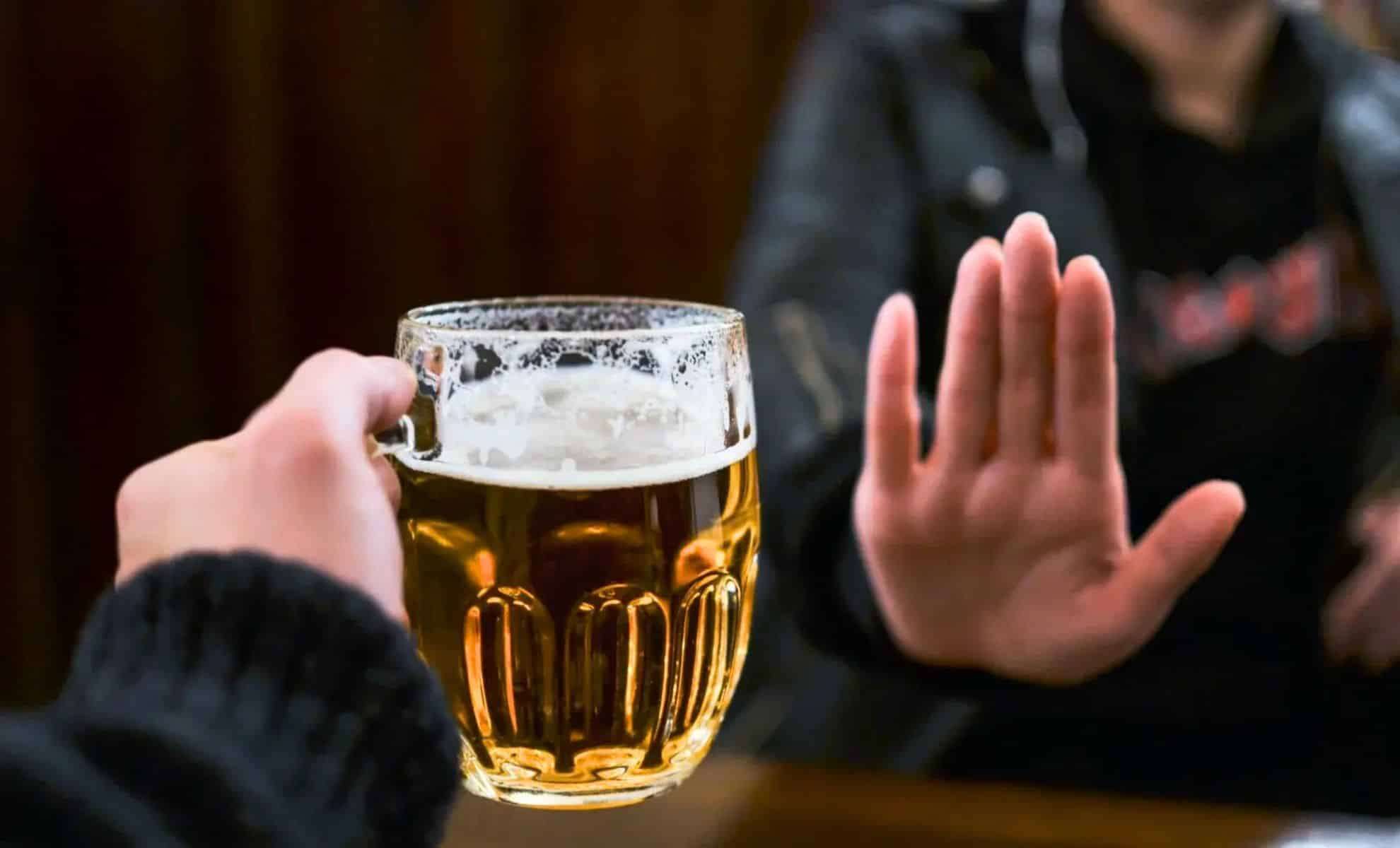
Renowned American neurologist Dr. Richard Restak has identified a critical age at which people should consider stopping alcohol consumption to safeguard their cognitive abilities as they age. In his book The Complete Guide to Memory: The Science of Strengthening Your Mind, Dr. Restak explores how alcohol affects brain function, emphasizing the importance of reducing intake to maintain mental sharpness.
Stopping Alcohol at 65 Could Help Protect Brain Cells
According to Dr. Restak, alcohol acts as a mild neurotoxin that can gradually damage nerve cells. He points out that after you turn 65, the brain's natural decline in neuron numbers makes it more susceptible to damage from substances like alcohol. Continuing to drink beyond this age may speed up neuron loss, negatively impacting memory and overall cognitive function.
Dr. Restak outlines a timeline for adjusting alcohol consumption that includes:

- Early 60s: Slowly cut back on drinking.
- By 65: Limit alcohol intake to rare or special events.
- By 70: Aim to stop drinking altogether to support brain and bodily health.
This gradual reduction helps the brain adapt while protecting cognitive abilities over time.
Alcohol Reduction and Lower Dementia Risk
Beyond protecting neurons, Dr. Restak notes that cutting back on alcohol may reduce the likelihood of developing dementia. As per statistics shared by the Alzheimer’s Society, regular heavy drinking is linked to an increased risk of dementia. By scaling back or quitting drinking, older adults might better preserve cognitive function and lower dementia risk.
Dr. Restak’s guidance aligns with these findings, highlighting the risks associated with drinking late in life. While moderate, occasional drinking might be less harmful, long-term excessive consumption could heighten vulnerability to cognitive decline.
Physical Hazards of Alcohol in Senior Years
Dr. Restak also draws attention to the physical dangers of alcohol consumption in older adults. He cautions that drinking raises the chance of falls, which can result in severe injuries or even fatal outcomes for seniors. Challenges like reduced balance and slower reflexes in aging individuals are exacerbated by alcohol, increasing fall risk.
Key physical concerns linked to alcohol use in older age include:
- Greater fall risk: Alcohol impairs coordination and balance.
- Severe injuries: Seniors are more vulnerable to fractures and head wounds from falls.
- Lengthy recovery: Healing from injuries takes longer among the elderly.
A New Approach to Drinking Habits in Later Life
Dr. Restak’s insights challenge the common idea that drinking remains harmless with age, proposing that abstaining can have clear benefits for brain and physical health. Those approaching their mid-60s are encouraged to rethink alcohol's role in their lives to protect mental clarity and reduce health risks.
Although enjoying a drink might continue to be a way to unwind, making adjustments to alcohol consumption later in life could significantly enhance well-being. Opting to stop drinking around 65 could mark the beginning of healthier, more mindful aging—preserving memory, lowering dementia risk, and preventing injury-related complications.
- Categories:
- Health












0 comments
Sign in to Comment