
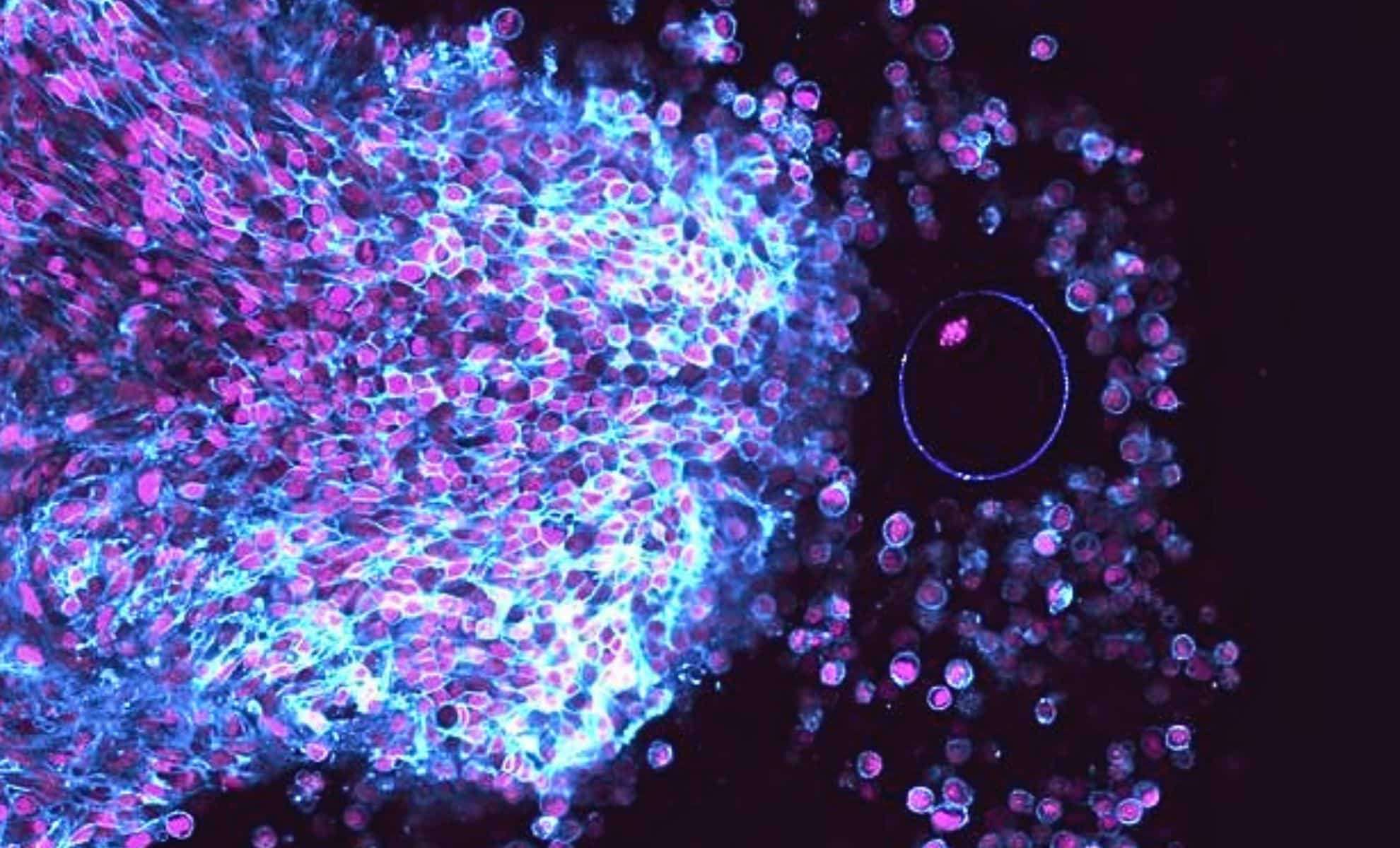
In a groundbreaking advancement for reproductive biology, scientists have successfully recorded the first-ever live footage of ovulation. This breakthrough offers an unprecedented, detailed look at a critical yet elusive biological event. Such a milestone holds the potential to transform our understanding of human fertility and pave the way for innovative approaches to infertility treatment.
A Landmark Achievement in Ovulation Study
Ovulation has long been a hidden chapter in reproductive science. Despite its recognized significance in conception, capturing this process in real-time was a challenge. Previously, research depended on post-event tissue analyses, limiting insights. Now, leveraging state-of-the-art microscopy combined with advanced live tissue culture methods, a team at the renowned Max Planck Institute has successfully documented ovulation in action, providing a revolutionary view of this vital reproductive phase.
Unraveling the Ovulation Process in Detail
This scientific milestone was made possible by utilizing cutting-edge imaging technologies, including high-resolution microscopy alongside a novel follicle culture platform. By cultivating isolated follicles and triggering ovulation through precise hormonal interventions, researchers captured the entire sequence live. The footage reveals in remarkable clarity the egg’s release from the follicle—information that could reshape fertility care.

Dissecting Ovulation into Three Distinct Phases
For the first time, the ovulation process has been segmented into three critical stages, each showcasing unique cellular events:
- Follicular expansion driven by hyaluronic acid drawing fluid inside and causing swelling.
- Contraction of muscle cells, leading to a forceful expulsion of the egg in a swift motion.
- The egg's movement, including observable DNA rearrangements during meiosis under the microscope.
This vivid documentation not only demystifies ovulation but also exposes previously unnoticed mechanical and biochemical dynamics behind egg release.

Transforming Fertility Treatment Prospects
This pioneering video observation offers promising avenues for improving infertility therapies. Direct visualization of ovulation enables pinpointing dysfunctions linked to conditions such as polycystic ovary syndrome (PCOS). Armed with this revolutionary footage, clinicians may enhance diagnostic accuracy and develop more effective treatments.

Advancing the Future of Reproductive Medicine
Featured in the esteemed journal Nature Cell Biology, this cutting-edge research opens exciting possibilities for fertility science. By revealing ovulation with exceptional detail, scientists gain a transformative tool to better understand and tackle female reproductive health challenges.
The implications of this discovery are vast. It promises to spur the creation of targeted fertility interventions, refine diagnostic techniques, and deepen knowledge about disorders like PCOS. This could mark the dawn of a new chapter in reproductive healthcare.












0 comments
Sign in to Comment