
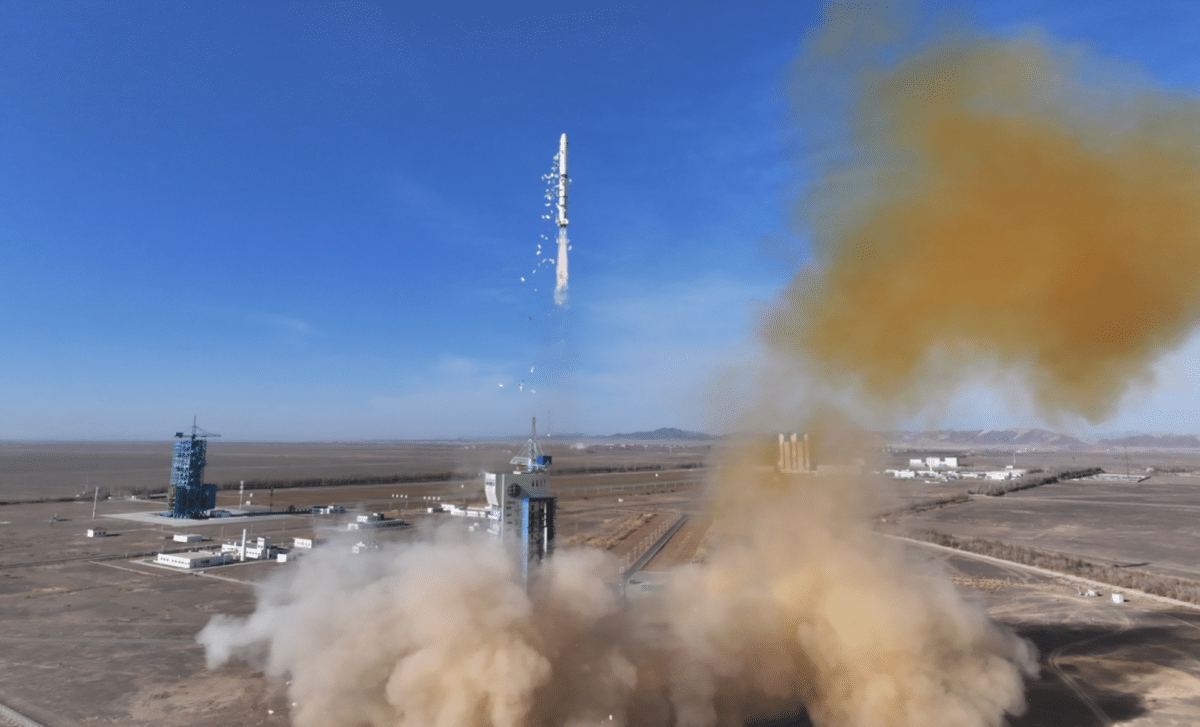
On January 15, 2026, China achieved a significant advancement in its space partnership with Algeria by successfully sending the AlSat-3A remote sensing satellite into orbit. This satellite is part of an extensive joint space initiative aimed at enhancing land management and disaster response capabilities. The launch emphasizes the expanding alliance between China and Algeria in space research, particularly in the domain of remote sensing technology. Conducted at the Jiuquan Satellite Launch Center, this event underscores China's growing expertise and influence in the international space community.
China’s Expanding Influence in Global Space Partnerships
The AlSat-3A satellite symbolizes the strengthening collaboration between China and Algeria, a relationship that has deepened over recent years. According to CGTN, the satellite was lofted aboard the Long March-2C rocket, a key vehicle from China’s renowned Long March series, which continues to demonstrate the nation’s dominant spaceflight capabilities.
This cooperation extends beyond the satellite itself to encompass the broader Algeria Remote Sensing Satellite System Program, including ground infrastructure, training programs, and ongoing technical assistance. This launch follows the earlier success of Alcomsat-1 in 2017 and marks another important milestone in the bilateral space cooperation between China and Algeria.

Enhancing Disaster Management and Urban Development
A primary objective of the AlSat-3A satellite is to bolster disaster risk reduction efforts, a critical need in the context of escalating environmental challenges. Remote sensing technology is essential for monitoring natural disasters such as floods, earthquakes, and wildfires, providing vital real-time data to aid in emergency response.
Moreover, this satellite's capability to observe changes in land use and environmental conditions serves as a crucial resource for optimizing urban planning and agricultural development, especially benefiting Algeria and other emerging economies. The high-quality imagery and data supplied by AlSat-3A will facilitate resource management, city growth strategies, and protection of vulnerable communities from environmental risks. This achievement exemplifies how China is contributing to worldwide sustainable development objectives.
Joint Progress in Sino-Algerian Space Ventures
The deployment of AlSat-3A signifies more than just a technical victory—it highlights the strengthening scientific collaboration between China and Algeria. Following agreements made in 2023, both countries have joined efforts in developing the AlSat-3A, enhancing their scientific expertise and technical capacity through cooperation.
While China provides advanced technological solutions and knowledge, Algeria benefits from skill development and capacity enhancement initiatives. The success of this mission reflects the shared vision of advancing space technologies to mutual and global advantage.
The Longevity of the Long March Rocket Family
The successful delivery of AlSat-3A aboard the Long March-2C rocket further validates China's breakthroughs in aerospace technology. Having completed its 626th mission, the Long March series stands as one of the world’s most dependable and widely used rocket platforms.
This rocket family has been critical in placing a variety of payloads into orbit, ranging from communication satellites to scientific instruments. The AlSat-3A launch exemplifies how Long March rockets continue to underpin China's expanding presence in space exploration. These rockets symbolize China’s growing ambitions and achievements beyond its borders.
Satellites like AlSat-3A play an essential role in supporting sustainable development, especially in agriculture, urban development, and environmental conservation. By offering precise, up-to-date data, these satellites enable nations like Algeria to better plan resource use and future growth.
For instance, satellite imagery is crucial in monitoring deforestation, assessing crop health, and evaluating urban expansion impacts. By empowering authorities and organizations with insightful data, remote sensing aids in fostering environmentally and economically sustainable practices.
Global Implications of Space-Focused Diplomacy
The successful partnership between China and Algeria underscores the increasing significance of space diplomacy on the world stage. Collaborative space projects not only drive scientific progress but also strengthen diplomatic relationships between countries.
The China-Algeria alliance exemplifies how joint ventures in space technology can promote broader cooperation in geopolitics and economic partnerships. This trend marks a shift in global diplomacy, where shared space endeavors pave the way for collaboration across education, infrastructure, and trade sectors.
- Categories:
- Tech









0 comments
Sign in to Comment