
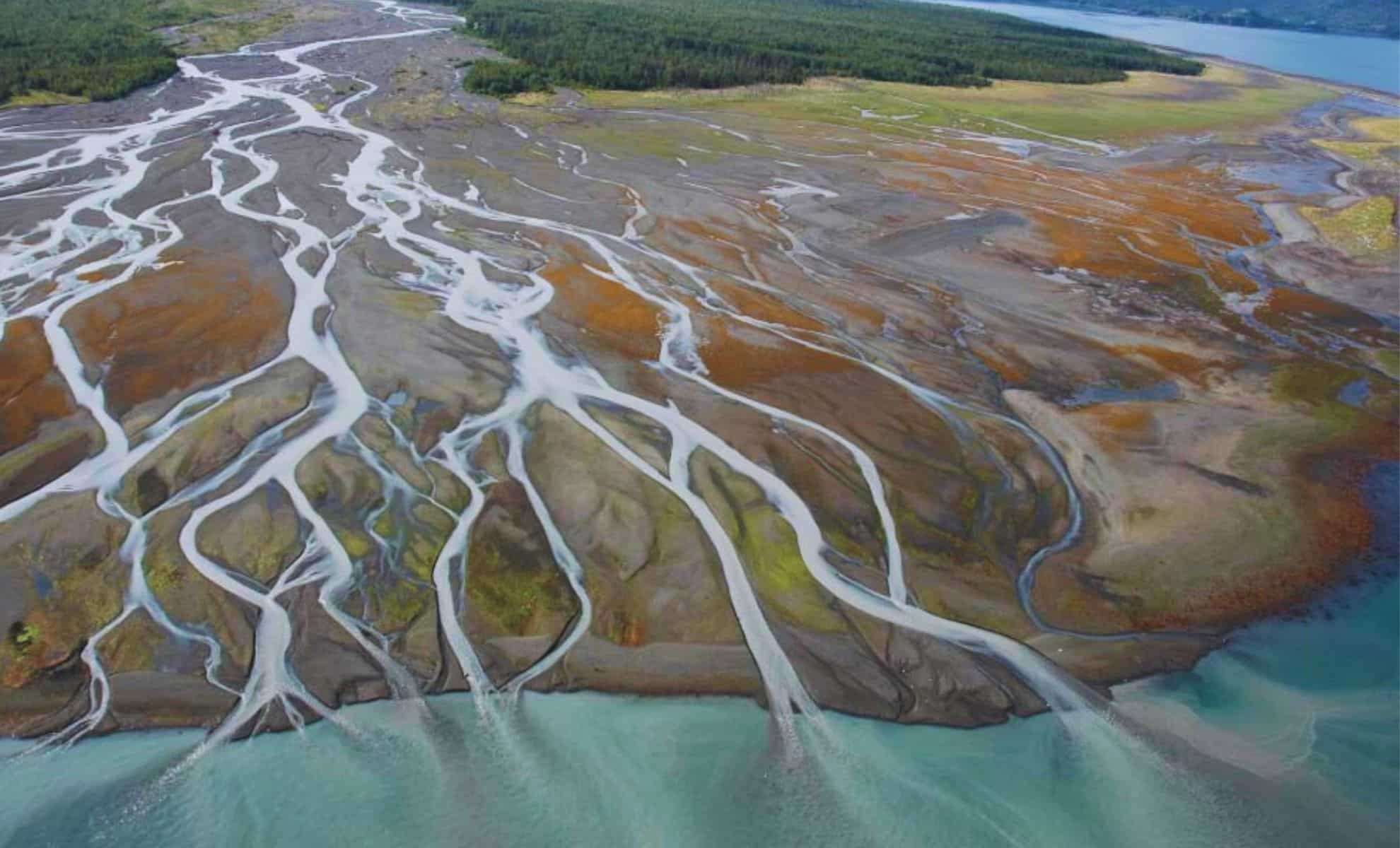
Exploring why ocean water has its distinctive salty flavor while rivers and lakes remain fresh is a captivating scientific question. This difference stems from a combination of geological and environmental mechanisms that have influenced Earth's aquatic systems for millions of years. While rivers and lakes provide fresh water, oceans are naturally saline due to how water dissolves and transports minerals from the land. Let’s delve into how this happens.
The Journey of Salt to the Ocean
Per the National Ocean Service, ocean salt primarily originates from terrestrial sources. Rainwater, slightly acidic due to the presence of carbon dioxide in the atmosphere, weathers rocks and minerals at Earth's surface. This weathering releases ions—charged particles like sodium and chloride—that rivers then carry into the ocean. Over long periods, these dissolved minerals accumulate, giving seawater its characteristic salinity.
Rivers serve as natural channels, transporting these salts from land to sea. Despite this, rivers never turn salty themselves because fresh water from rainfall continuously dilutes any minerals they carry.

How Rivers Stay Fresh
Though rivers move salts toward the ocean, they maintain low salt concentrations mainly due to a steady supply of fresh water from rainfall and snowmelt. While minerals enter waterways through rock weathering, the constant influx of fresh water prevents salt accumulation.
In essence, rivers are consistently "flushed" by fresh water, which disperses dissolved salts. These salts eventually settle in oceans, where they build up and contribute to overall ocean salinity.
Evaporation's Impact on Ocean Salinity
A major process influencing ocean salt levels is evaporation. Unlike rivers that receive continual fresh water, oceans lose water through evaporation, especially in environments like salt marshes and evaporation basins. As water vapor escapes, dissolved salts remain behind, gradually increasing the ocean’s salinity. This process is balanced by natural mechanisms such as the deposition of salts on the ocean floor and their transfer by ocean currents, preventing excessive salt buildup.
Understanding Salt Composition in Seawater
The dominant ions in seawater are sodium and chloride—the components of common table salt (NaCl)—which represent over 90% of dissolved ions. Approximately 3.5% of seawater's weight is made up of dissolved salts. To illustrate this astonishing quantity, a single cubic mile of seawater contains around 120 million tons of salt. Yet, this vast amount is spread across the massive volume of the ocean, maintaining a stable balance.
Ultimately, the ocean's saltiness is the cumulative outcome of Earth’s natural processes over billions of years. While rivers continually supply salts to the ocean, their own waters stay fresh because of ongoing fresh water inputs. Combined with evaporation and sedimentation, these dynamics ensure that ocean salinity remains stable, supporting the diverse marine ecosystems we depend on.
- Categories:
- Trends













0 comments
Sign in to Comment